…insist, negotiations with criminals represents an abdication of responsibility.
Abuja, Nigeria — The iNews Times | The House of Representatives on Wednesday sharply criticised the Federal Government for entering into negotiations with bandits to secure the release of 24 schoolgirls abducted from Government Girls Comprehensive Secondary School, Maga, in Kebbi State.
The lawmakers, operating under the coalition “House to the Rescue,” condemned the disclosure by presidential aide Bayo Onanuga that the government held discussions with the kidnappers. The group described the move as a profound betrayal of Nigerians and a dangerous signal that undermines national security.
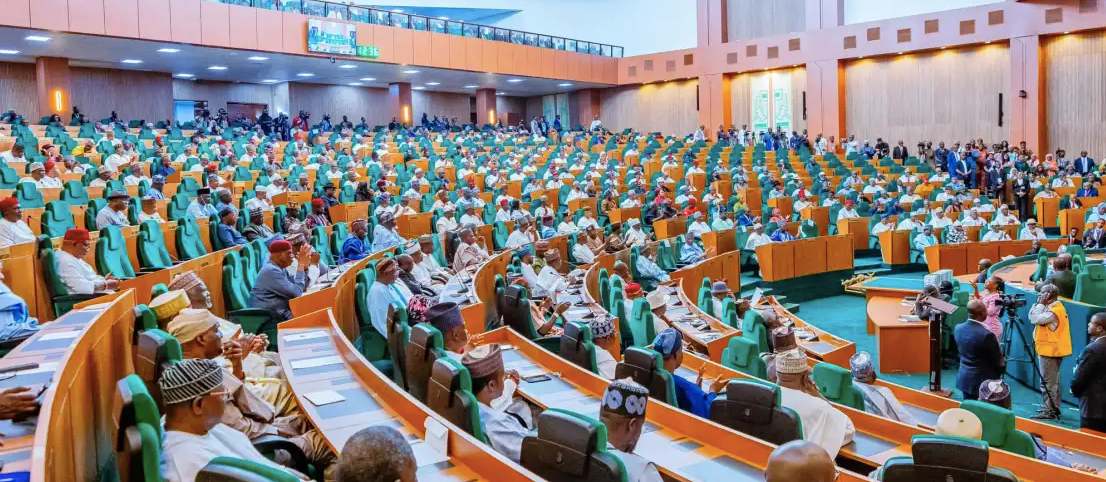
Their position followed a special plenary session on Tuesday, where members expressed frustration over the rising wave of kidnappings across the country and the growing sense of vulnerability felt by citizens.
In a statement jointly signed by representatives from all six geopolitical zones, the coalition said the government’s negotiation with bandits amounted to legitimising criminality at a time when Nigerians desperately seek decisive protection.
According to the lawmakers, “The House to the Rescue unequivocally condemns the Federal Government’s ongoing negotiations with bandits and criminal networks responsible for the wave of kidnappings tearing through Nigeria. At a time when citizens are crying out for protection, the government has chosen to sit at the same table with those who abduct children, violate women, terrorise communities, and undermine the authority of the Nigerian state.”
They accused President Bola Ahmed Tinubu’s administration of failing to provide strong leadership, insisting that negotiations with criminals represents an “abdication of responsibility,” not a security strategy.
The lawmakers noted that Nigerians have endured fresh abductions in Kano, Kwara, Kebbi and other states, even as communities remain threatened daily. Instead of firm military and intelligence-led action, they argued, the Federal Government has offered “silence, excuses, and back-door concessions to violent groups.”
Citing global examples, they warned that nations that attempted negotiations with violent non-state actors only emboldened the criminals. They pointed to Colombia’s experience with the Revolutionary Armed Forces, Mexico’s dealings with cartels, Afghanistan’s concessions to the Taliban, Somalia’s engagements with warlords, and Mali’s talks with jihadist groups — stressing that all yielded catastrophic security consequences.
The group insisted that Nigeria cannot afford to repeat these patterns, arguing that dialogue with bandits validates kidnappers, encourages further abductions, and erodes public confidence in the government’s capacity to protect its citizens.
They further cautioned that negotiations have now created “a dangerous business model” in which abductors simply hold hostages and wait for government representatives to negotiate rather than face arrest or military pressure.
The House to the Rescue coalition demanded an immediate halt to all negotiations with bandits, the launch of intelligence-driven rescue operations, and the publication of a coherent national security strategy with strong accountability structures.
They also called for full National Assembly oversight of any officials engaged in unauthorised or secret discussions with criminal elements.
The statement was signed by Muhammed Soba (North West), Zakari Mohammed (North Central), Olasupo Abiodun (South West), Sadiq Ibrahim (North East), Uko Nkole (South East), and Bassey Ewa (South South).