...Civil society legislative Executive Director said,“These are soldiers we desperately need to tackle insecurity at home, yet we prioritise sending them abroad.
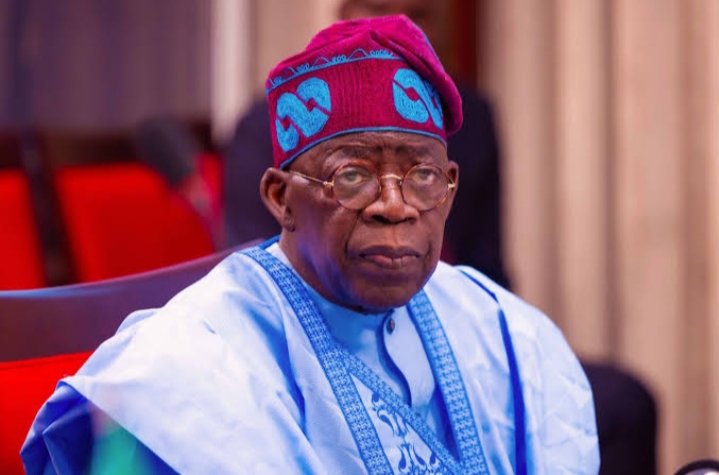
ABUJA, NIGERIA- The iNews Times | Several civil society organisations have criticised the National Assembly for what they described as the rushed approval of President Bola Tinubu’s request to deploy Nigerian troops to the Benin Republic, which recently came under military rule.
The Civil Society Legislative Advocacy Centre (CISLAC) condemned the development, describing it as evidence of a failing foreign policy.
Speaking to iNews Times, CISLAC’s Executive Director, Auwal Rafsanjani, said:
“We are witnessing a collapse of foreign policy that no longer prioritises national interest but personal interests. That is the only way to explain what has happened. I cannot understand how Nigeria rejects the idea of America conducting operations here, yet we turn around and deploy our own soldiers to another country without proper discussion, debate, or prior approval.
“These are soldiers we desperately need to tackle insecurity at home, yet we prioritise sending them abroad. The troops were deployed even before approval. Despite disagreements with former U.S. President Donald Trump, he still engaged with Congress and the Department of Defence before taking action.
“Our interventions in Sierra Leone and Liberia were carried out under ECOWAS leadership. What we are seeing now is the breakdown of a coherent foreign policy,” he said.
Similarly, Global Rights Nigeria described the Senate’s swift approval of the troop deployment as highly questionable.
The organisation’s Executive Director, Abiodun Bayeiwu, noted that the move raises serious concerns at a time when Nigeria is battling multiple security crises — including terrorism, banditry, farmer–herder conflicts, and rising criminality.
“In this context, sending troops outside the country, whether symbolic or strategic, demands careful consideration. While ECOWAS protocols allow collective security measures, Nigeria must ensure such actions do not overstretch our already burdened military or weaken domestic security efforts,” Bayeiwu said.
She explained that any deployment must be clearly linked to national interest, regional stability, and existing legal frameworks, not political showmanship.
According to her, the Senate’s rapid approval raises questions about due process:
“In a democracy, troop deployment, especially beyond national borders, requires thorough debate, transparent justification, and an assessment of potential security implications. Speed must not replace scrutiny.”
She added that Nigerians deserve answers on several key issues:
The specific mandate of the deployment
The expected duration and scope of engagement
Risks to Nigerian personnel
The financial cost and its impact on domestic security
Whether diplomatic or preventive alternatives were explored
“Quick approvals without open debate can undermine public trust and weaken checks and balances,” she warned.
Bayeiwu advised the government to prioritise Nigeria’s internal security before committing troops abroad:
“Nigeria cannot contribute meaningfully to regional stability if its own security system remains overstretched. The government must show that internal threats are not being overlooked.”
She also called for transparency from both the Presidency and the Senate on the legal basis, objectives, timelines, and broader implications of the deployment.
Finally, she urged ECOWAS and Nigeria to strengthen diplomatic and preventive measures in the region, noting that military intervention should remain a last resort.