…signals Abuja’s attempt to prevent the South Africa Xenophobic Protests from deteriorating into a full-scale diplomatic crisis.
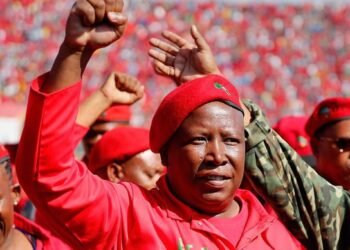
Johannesburg, South Africa — The iNews Times | The South Africa Xenophobic Protests have intensified, prompting the Nigerians in Diaspora Commission https://nidcom.gov.ng to issue an urgent safety advisory to Nigerian nationals living across major South African cities following fresh waves of anti-foreigner demonstrations that have turned violent.
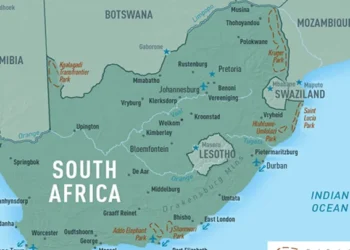
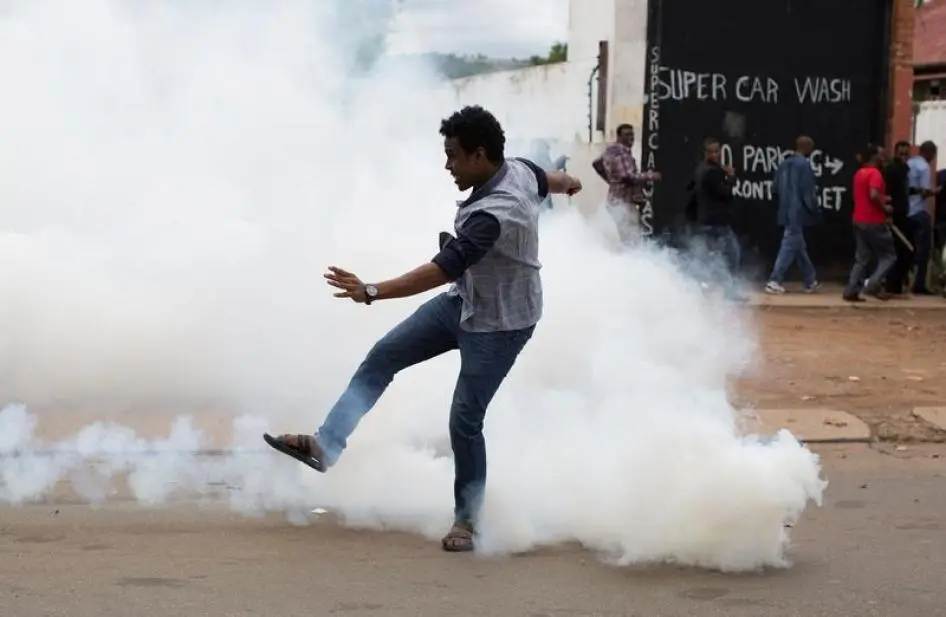
According to an official circular issued by the Consulate General of Nigeria in Johannesburg (Ref No: CGJHB/AD/209/VOL I), dated April 22, 2026, protests in East London, Cape Town, Durban and parts of KwaZulu-Natal escalated into looting, property destruction and physical assaults.
The commission disclosed that intelligence gathered by the consulate indicates further demonstrations are scheduled to take place in Gauteng Province between April 27 and April 29, 2026 a development that has heightened fears of renewed xenophobic violence.
In a statement released Friday by NiDCOM’s Head of Media, Public Relations and Protocols Unit, Abdur-Rahman Balogun, the commission advised Nigerians to exercise extreme caution.
“In response to the ongoing South Africa Xenophobic Protests, all Nigerian citizens are advised to avoid confrontation with protesters, refrain from engaging with demonstration groups, and monitor local media for real-time safety updates. Nigerian nationals are also urged to remain law-abiding at all times.”
NiDCOM further urged Nigerian business owners to temporarily close their shops to minimise exposure to potential attacks.
“It is further advised that Nigerian business owners should close their shops on Freedom Day, April 27, and consider remaining closed on April 28 and 29, as foreign-owned businesses are often targeted during unrest,” the statement added.
Freedom Day, observed annually on April 27, commemorates South Africa’s first democratic elections in 1994. However, historically, public holidays have sometimes provided flashpoints for organised protests and civil unrest.
NiDCOM reaffirmed its support for the Consul-General, Ambassador Ninikanwa Okey-Uche, confirming that the Nigerian Consulate in Johannesburg remains fully operational and is working closely with South African law enforcement authorities to protect Nigerian citizens.
The commission also revealed that Nigeria’s Minister of State for Foreign Affairs, Ambassador Bianca Odumegwu-Ojukwu, has commenced diplomatic engagement with her South African counterpart over the escalating situation.
This diplomatic outreach signals Abuja’s attempt to prevent the South Africa Xenophobic Protests from deteriorating into a full-scale diplomatic crisis a pattern that has occurred in previous waves of xenophobic attacks between both countries.
The latest unrest comes less than a month after protests erupted in East London over the coronation of a traditional leader by Nigeria’s Igbo community in South Africa.
The ceremony reportedly angered certain local groups who viewed the event as an assertion of foreign cultural authority within South African territory. The backlash quickly spiralled into violence, with mobs attacking foreign-owned shops and torching properties.
Analysts say this latest wave of the South Africa Xenophobic Protests appears to be fueled by a combination of economic frustration, unemployment concerns and long-standing resentment toward foreign nationals perceived to be competing for limited jobs and business opportunities.
South Africa’s unemployment rate remains one of the highest globally, and economic strain has often served as a catalyst for anti-immigrant sentiment.
Several disturbing videos circulating on social media platforms show groups of South Africans confronting African immigrants, demanding that they leave the country.
In one widely shared clip, a Ghanaian national is aggressively questioned about his decision to relocate to South Africa.
“This thing of you moving from one country to another is no longer working. We don’t want these African people anymore. We want you to fix your countries,” a woman in the video says.
Another man in the same clip challenges the legality of the Ghanaian’s residency documents, accusing him of fraud and warning others to leave or risk consequences.
In a separate video, a man reportedly identified as a South African citizen was assaulted after being mistaken for a foreign national, underscoring the volatility and unpredictability surrounding the South Africa Xenophobic Protests.
Yet another recording captures a South African man criticising foreigners for “sleeping comfortably” while locals allegedly struggle without shelter.
“They must go back to their countries,” he says.
Meanwhile, residents in Mthatha, Eastern Cape Province, are reportedly planning additional protests over concerns about unemployment and the presence of foreign nationals. A video also shows a man in a hospital waiting area demanding that foreign nationals vacate the premises.
The recurring nature of xenophobic unrest in South Africa has drawn international concern over the years. Previous major outbreaks in 2008, 2015 and 2019 resulted in deaths, mass displacement and significant diplomatic tensions across the African continent.
The renewed South Africa Xenophobic Protests raise questions about whether deeper structural economic reforms, immigration policy adjustments and community integration strategies are urgently needed to prevent cyclical violence.
For Nigerian nationals, the situation remains tense but closely monitored.
NiDCOM advises Nigerians to; Avoid protest hotspots, Stay indoors where possible during April 27–29, Monitor verified local news channels, Maintain valid identification documents, Contact the Nigerian Consulate in Johannesburg in emergencies.
The commission reiterated its commitment to safeguarding Nigerians abroad while diplomatic channels remain active.