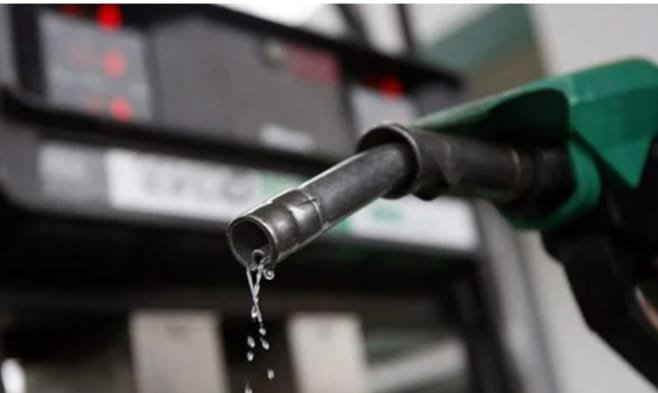
…The spike in the price of Premium Motor Spirit (petrol) is linked to the ongoing US-Iran conflict.
ABUJA, NIGERIA- The iNews Times | As petrol prices climbed to about ₦1,300 per litre in several parts of Nigeria on Monday, businesses nationwide began bracing for a sharp increase in operating costs.
Economists and members of the Organised Private Sector confirmed the development, warning that the surge could intensify inflationary pressures and push up the prices of goods and services as companies adjust their budgets and pricing strategies to absorb the impact.
The spike in the price of Premium Motor Spirit (petrol) is linked to the ongoing US-Iran conflict. On Monday, the Dangote Petroleum Refinery raised its gantry price from ₦995 to ₦1,175 per litre, pushing pump prices in many filling stations to around ₦1,300 per litre and triggering concerns among businesses about a fresh wave of inflation.
In some locations, petrol was sold for between ₦1,250 and ₦1,400 per litre.
The Organised Private Sector warned that the rise could drive up transport fares and food prices, urging the Federal Government to intensify efforts to expand local refining capacity and find lasting solutions to recurring fuel price increases.
The development also drew criticism from the Nigeria Labour Congress, which faulted the refinery’s repeated price adjustments. Meanwhile, reports indicated that the G7 nations were considering releasing emergency oil reserves to stabilise the global market.
Data show that the refinery’s ₦1,175 per litre price announced on Monday represents the third increase within a week. During the same period, crude oil prices surged to about $115 per barrel before falling to around $98 later in the day.
The latest adjustment came shortly after projections that petrol prices could rise again following the temporary suspension of petrol sales at the refinery on Sunday.
Marketers were informed on Monday that the gantry price of petrol had been increased from ₦995 to ₦1,175 per litre, an increase of ₦180, or about 18.1 per cent, within three days. The gantry price of diesel was also raised to ₦1,620 per litre.
A senior refinery official, who spoke anonymously because he was not authorised to comment publicly, confirmed that the new prices had already been communicated to marketers and depot operators.
“Yes, the gantry prices have been adjusted. PMS now sells for ₦1,175 per litre while diesel is ₦1,620 per litre,” the official said, explaining that the adjustments reflect volatility in global oil markets and rising replacement costs.
Industry data from petroleumprice.ng showed that the updated prices had already been reflected across depot pricing systems, signalling a new benchmark for downstream marketers.
Following the announcement, many filling stations quickly raised pump prices from about ₦1,060 to around ₦1,250 per litre. In some areas, MRS stations increased their price to ₦1,250, while NIPCO outlets sold the product for around ₦1,200 per litre.
In Abuja, several stations along Airport Road also adjusted their prices. Shafa and AA Rano sold petrol for ₦1,092 per litre, while Shema dispensed it at ₦1,100. Optima recorded one of the highest prices in the area at ₦1,270 per litre.
Defending the increase, the Dangote Group said global oil market volatility had significantly affected production costs. The Managing Director of the Dangote Petroleum Refinery, David Bird, said the facility would continue supplying Nigeria’s fuel needs despite global disruptions, adding that domestic refining helps the country avoid shortages even during international crises.
Bird explained that even under the crude-for-naira arrangement, the refinery still purchases Nigerian crude at international benchmark prices, meaning it does not receive crude at discounted rates. He added that countries dependent on fuel imports are currently bearing the brunt of the global oil crisis.
He noted that crude oil prices had surged from the mid-$60 range to nearly $120 per barrel within a week, while freight costs for oil tankers had also jumped from about $800,000 to roughly $3.5m per shipment.
According to him, the refinery currently operates at its full nameplate capacity of about 650,000 barrels per day and could scale up production to about 700,000 barrels daily.
Reacting to the situation, the Independent Petroleum Marketers Association of Nigeria said the price spike might be temporary and could ease once global crude prices fall after the conflict subsides.
Business leaders, however, warned that the higher petrol price could worsen inflation by increasing transportation and logistics costs, which ultimately raise the prices of food and other essential goods.
Economists also cautioned that although higher global oil prices should ordinarily benefit Nigeria as an oil-producing nation, the country may instead face rising inflation because it lacks sufficient domestic mechanisms to cushion the impact of global shocks.
Labour leaders further argued that the latest price surge exposes weaknesses in Nigeria’s downstream petroleum sector, particularly the country’s continued reliance on imported refined products.
Meanwhile, G7 nations said they were prepared to take “necessary measures” to stabilise global energy supply as the conflict in the Middle East pushes oil prices higher. Discussions have included the possible release of strategic crude reserves, although no final decision has been reached.
The International Energy Agency noted that its member countries collectively hold more than 1.2 billion barrels of emergency oil reserves, with an additional 600 million barrels maintained by industry under government mandates.
Experts warn that if tensions persist and oil supply routes remain disrupted, fuel prices could rise further in both global and domestic markets.