…limited access to education and restricted reproductive health services continue to expose women and girls to higher risks of HIV infection.
ABUJA, Nigeria — The iNews Times | HIV infections among women remain a major public health concern, as the AIDS Healthcare Foundation (AHF) Nigeria has warned that persistent gender inequalities continue to fuel the HIV/AIDS epidemic across many parts of the world.
The organisation said that although progress has been made in the global response to HIV, HIV infections among women remain disproportionately high, particularly in sub-Saharan Africa where women and girls account for more than 60 percent of new infections.
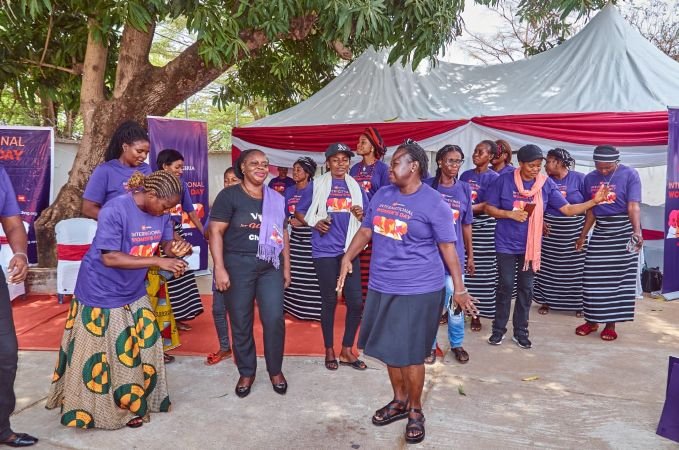
To mark the celebration of International Women’s Day, AHF Nigeria announced plans to host activities on March 9 across its operational states the Federal Capital Territory, Akwa Ibom, Anambra, Benue, Cross River, Kogi and Nasarawa to draw attention to the urgent need for inclusive policies and improved access to healthcare services for women.
According to the organisation, structural challenges such as gender-based violence, poverty, limited access to education and restricted reproductive health services continue to expose women and girls to higher risks of HIV infection.
AHF Nigeria also expressed concern over the limited availability of affordable menstrual health products and the lack of comprehensive sexual and reproductive health education, issues experts say affect the dignity, mobility and wellbeing of millions of girls.
As part of activities to address HIV infections among women, the organisation said it would organise Continuous Medical Education (CME) programmes for healthcare workers across more than 156 health facilities where it currently provides HIV services.
The training sessions are expected to equip frontline health workers with the knowledge and skills needed to better address the gender dimensions of the HIV/AIDS pandemic, particularly among women in rural communities who often face multiple barriers in accessing healthcare.
Country Programme Director of AHF Nigeria, Dr. Echey Ijezie, said the organisation remains committed to placing women and girls at the centre of its health interventions.
According to him, empowering women is critical to achieving sustainable progress in healthcare and development.
“AHF Nigeria places enormous value on women and girls in society, which is why our programmes are largely focused on impacting them positively,” he said.
Dr. Ijezie added that the organisation would continue advocating policies that protect women’s rights while urging leaders, policymakers and communities to turn their commitments into practical actions that will accelerate development for women and girls.
AHF also reaffirmed its broader commitment to programmes that promote the health and empowerment of women, including expanding access to HIV prevention, testing and treatment services, distributing menstrual hygiene products and supporting initiatives aimed at tackling gender-based violence.
The organisation noted that the theme of its 2026 campaign, “Give to Gain,” highlights the importance of collective responsibility in building inclusive societies where women and girls have equal opportunities to thrive.
According to AHF, investing in the wellbeing of women and girls produces far-reaching benefits that strengthen families and promote wider social and economic development.
As the global community reflects on the significance of International Women’s Day, AHF Nigeria urged governments and stakeholders to move beyond rhetoric and implement practical measures that will dismantle barriers preventing women and girls from reaching their full potential and help reduce HIV infections among women.