…stressed the need for recruitment and training of local government accountants in charge of PHCs.
Anambra, Nigeria — The iNews Times | Civil Rights Concern (CRC) has raised alarms over the low engagement of community leaders and stakeholders in the management and auditing of the Basic Healthcare Provision Fund (BHCPF) in Anambra PHCs, warning that this attitude undermines effective healthcare service delivery.
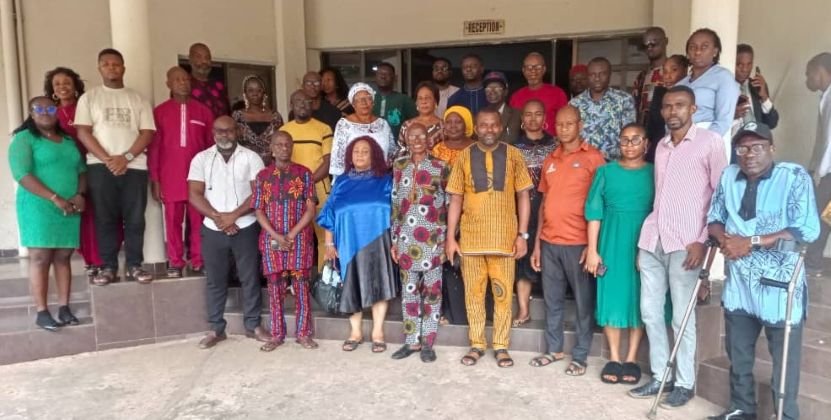
Okey Onyeka, Executive Director of CRC, spoke during an audit forum designed to evaluate BHCPF support for the State’s Primary Healthcare Centres. He noted that the lack of interest from some stakeholders has negatively affected service delivery across the facilities.
Onyeka highlighted a critical manpower deficit, particularly the absence of finance personnel at PHCs, which forces nurses and midwives to handle audit responsibilities. “Due to the presence of only one person in the internal audit unit, the audit function suffers in her absence,” he said.
He stressed the need for recruitment and training of local government accountants in charge of PHCs, alongside the finance team at the Anambra State Primary Healthcare Development Agency (ASPHCDA), to ensure proper financial management in line with regulations.
The forum also aimed to sensitize stakeholders about BHCPF management and to encourage active community engagement to improve service delivery. Onyeka emphasized that Ward Development Committees (WDCs) serve as bridges between communities and PHCs, reporting quarterly to their respective town union and women leaders about challenges and needs in the health facilities.
State Auditor-General Akosa Okocha added that his office has developed a new audit framework to address lapses observed during recent audits. These include inadequate funding and a lack of communication between the head office and PHCs regarding resources like drugs and medical equipment.
Okocha explained that the framework is intended to assist ASPHCDA in maintaining checks and balances to ensure seamless performance. He also raised concerns that funds from donor agencies and the World Health Organization often bypass the state purse, which is irregular, and that much of this money is spent on overhead costs rather than direct service delivery.
Despite the challenges, Okocha expressed optimism that the issues will be addressed over time and commended CSOs for keeping his office informed about PHC operations, which has guided his audit team’s work.