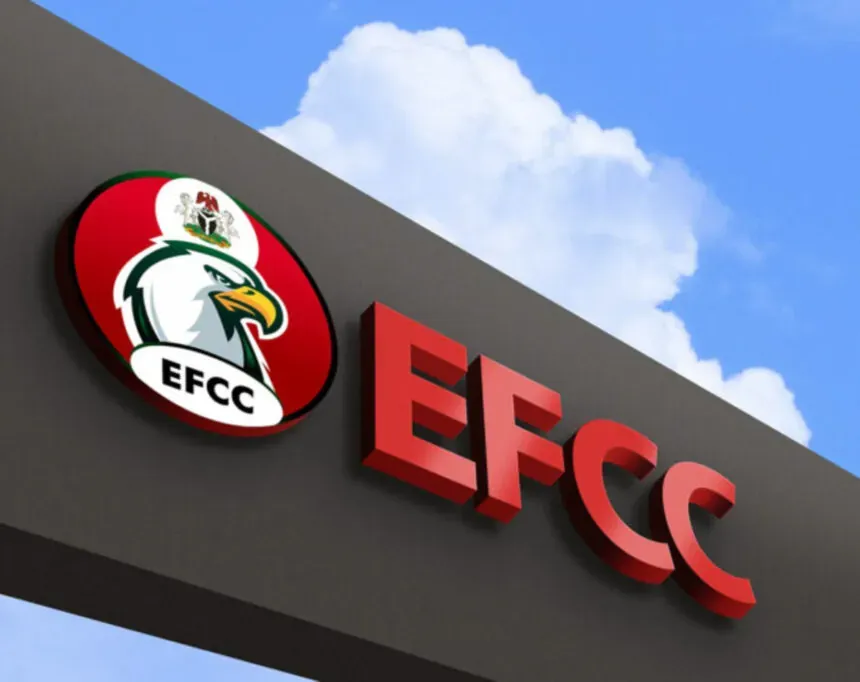
…EFCC Warns Content Creators announcement signals a broader effort by the Commission to protect its institutional integrity and public image.
Abuja, Nigeria — The iNews Times | The phrase EFCC Warns Content Creators dominated conversations in Nigeria’s digital entertainment space on Thursday after the Economic and Financial Crimes Commission https://efcc.gov.ng issued a stern warning against the unauthorized use of its name, logo, uniforms, and other official identity elements in skits and online productions.
In a video statement shared on its official X account, the Economic and Financial Crimes Commission said it had observed a growing trend of individuals and content creators featuring the Commission in comedy sketches and other digital content without formal approval.
According to the anti-graft agency, many of these portrayals misrepresent its values, procedures, and operational standards.
“It has come to the attention of the Economic and Financial Crimes Commission that some individuals and content creators are using the name, logo, and likeness of EFCC in skits and other media content.
“Many of these skits misrepresent our values and standard operating procedures. We wish to inform the general public that the EFCC has not authorized any such use. The EFCC does not endorse, sponsor, or approve any comedy, drama, or online content that uses our identity without written consent.
“Therefore, the public is hereby advised to cease and desist from using our name, logo, uniforms, or any identifying elements in skits or promotional content without prior written approval. Be warned, all who violate these instructions shall be prosecuted,” the Commission stated.
The development comes amid the rapid growth of Nigeria’s online content industry, where comedy skits frequently depict fictional EFCC raid scenes, arrests of alleged internet fraudsters, or dramatized anti-corruption operations.
While such portrayals are often intended for satire and entertainment, the EFCC directive makes clear that the Commission views the unauthorized use of its official identity as a serious matter.
Industry observers say some skit makers replicate EFCC-style jackets, branding, and operational scenarios to enhance realism, which can blur the line between parody and impersonation.
Legal analysts note that the use of official government insignia, uniforms, and logos without authorization may raise issues under Nigerian laws relating to impersonation, misrepresentation, and intellectual property protection.
EFCC Warns Content Creators announcement signals a broader effort by the Commission to protect its institutional integrity and public image. As Nigeria’s foremost anti-corruption agency, the EFCC handles sensitive investigations involving financial crimes, public sector corruption, and cybercrime. Any distortion of its procedures in viral content could potentially undermine public understanding of its mandate.
Security experts also argue that fake portrayals of law enforcement operations could create confusion or expose the public to misinformation.
Nigeria’s Constitution guarantees freedom of expression. However, that right does not extend to the unauthorized use of official insignia or impersonation of government agencies.
The EFCC Warns Content Creators therefore highlights the tension between creative freedom and regulatory compliance in Nigeria’s expanding digital economy.
Content creators, many of whom operate as independent entrepreneurs, now face increasing scrutiny as their productions reach millions of viewers across social media platforms.
For skit makers and online producers, the message is clear: any use of the EFCC’s name, logo, uniforms, or other identifying elements requires prior written approval from the Commission.
Failure to comply, the agency warned, could result in prosecution.
The EFCC stance may also prompt other government institutions to assert tighter control over their branding and public representation in online media.
As Nigeria’s digital landscape continues to evolve, regulatory clarity will become increasingly important for creators seeking to balance satire, storytelling, and compliance with the law.
The iNews Times will continue to monitor reactions from Nigeria’s creative industry, legal experts, and digital rights advocates as the EFCC directive reshapes the boundaries between entertainment and institutional protection.