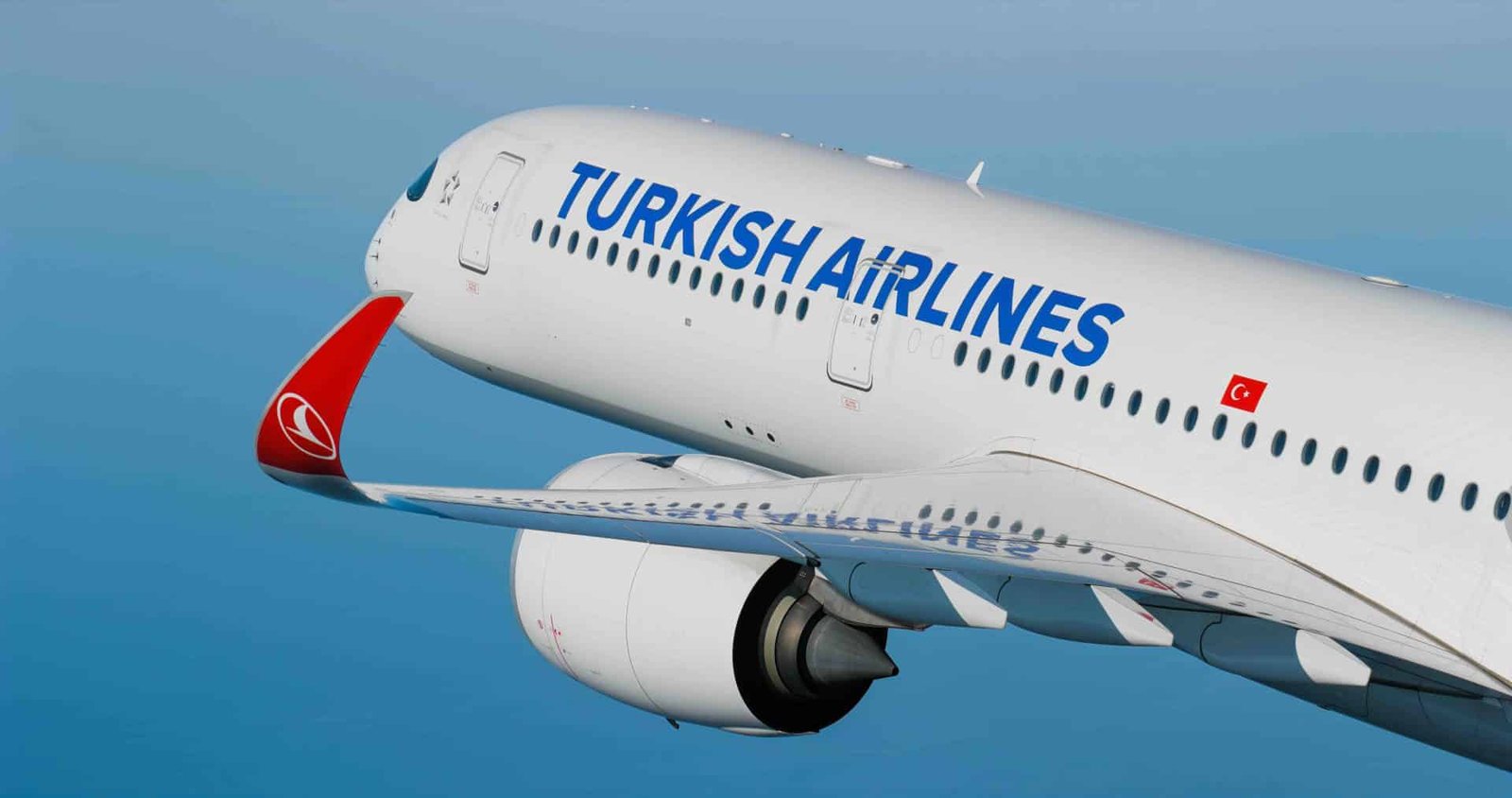
Turkish Airlines Landing Gear Fire Forces Emergency Evacuation of 277 Passengers in Kathmandu.
Smoke and runway shutdown in Nepal as investigators probe hydraulic malfunction on Istanbul–Kathmandu flight.
KATHMANDU, NEPAL – The iNews Times | Turkish Airlines Landing Gear Fire triggered a dramatic emergency evacuation of 277 passengers and 11 crew members on Monday after smoke and flames were seen coming from the aircraft’s landing gear during arrival at Kathmandu’s international airport.
The incident occurred as the flight, operated by Turkish Airlines https://www.turkishairlines.com, landed at Tribhuvan International Airport after departing Istanbul, forcing airport authorities to activate emergency protocols and temporarily shut down the runway.
In this report, we examine the key developments, reactions from stakeholders, and the broader implications.
Background of the Story
The Turkish Airlines Landing Gear Fire incident unfolded at one of the most challenging aviation hubs in Asia, where mountainous terrain, unpredictable weather conditions, and a single-runway system already place operational strain on pilots and controllers.
Kathmandu’s airport has long been flagged by aviation experts as a difficult landing destination, with limited margin for error due to surrounding Himalayan peaks and rapidly changing wind patterns.
The latest incident adds to ongoing scrutiny of aviation safety in Nepal, a country that has faced international concern over air safety oversight and infrastructure limitations.
Key Developments
According to Nepal’s civil aviation authority, the fire was detected on the aircraft’s right landing gear during touchdown.
Gyanendra Bhul, spokesperson for the authority, confirmed that flames were visible as the aircraft landed and emergency teams were immediately deployed.
“Fire was visible during the landing. Investigations are ongoing. All passengers are safe,” Bhul told AFP.
The airport’s only runway was closed for nearly two hours following the incident, causing temporary disruption to flight operations before it was reopened after safety checks.
Turkish Airlines confirmed that passengers were evacuated using emergency slides after smoke was observed during taxiing. The airline said its technical teams had already begun an inspection of the aircraft.
Yahya Ustun, spokesperson for Turkish Airlines, stated that early findings point to a hydraulic system failure.
“Initial examinations indicate that the smoke was caused by a technical malfunction in a hydraulic pipe,” he said via social media.
An additional aircraft has been deployed to continue the affected service’s return operations.
Reactions from Stakeholders
Aviation authorities in Nepal have described the rapid evacuation as a successful emergency response that prevented potential escalation.
The airline also emphasized that passenger safety remains its top priority, noting that full technical checks are underway to determine the exact fault that led to the Turkish Airlines Landing Gear Fire incident.
Industry analysts say the swift containment reflects improved coordination between airport emergency teams and flight crew procedures, even as questions remain about underlying mechanical reliability.
Implications
The incident renews attention on aviation safety standards in Nepal, a country already under international scrutiny following past accidents and regulatory challenges.
The European Union previously blacklisted Nepalese airlines over safety concerns, prompting government commitments to upgrade radar systems and strengthen weather monitoring infrastructure.
Beyond Nepal, the event highlights broader global concerns around aircraft maintenance integrity, particularly hydraulic system failures, which can escalate rapidly during landing conditions.
It also raises operational questions for airlines operating into high-altitude airports where technical margins are significantly narrower than in standard international hubs.
What Happens Next
A full technical investigation will now be conducted by Turkish Airlines in coordination with Nepalese aviation authorities.
Investigators are expected to review flight data, hydraulic system performance, and landing gear components to determine the root cause of the malfunction.
Passengers affected by the disruption are expected to be re-accommodated on replacement flights arranged by the airline.
Authorities may also review airport emergency response procedures as part of standard post-incident safety audits.
Conclusion
The Turkish Airlines Landing Gear Fire incident ended without fatalities, but it has once again highlighted the fragile balance between aviation safety and operational complexity in high-risk airport environments.
As investigations continue, the focus will remain on whether the malfunction was an isolated technical failure or part of a broader maintenance concern requiring deeper industry attention.
For now, swift evacuation procedures ensured that what began as a potentially dangerous landing ended without loss of life.