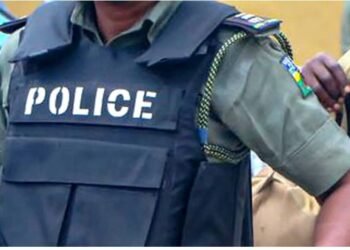
Abia Police Misconduct Video: What Really Happened at the Uturu Checkpoint?
Command orders immediate investigation as checkpoint encounter sparks public outrage.
UMUAHIA, NIGERIA – The iNews Times | Abia Police misconduct video has led to the arrest of officers captured in a viral social media clip allegedly showing unprofessional conduct at a checkpoint in Uturu, Abia State.
The Abia State Command of the Nigerian Police Force https://www.npf.gov.ng confirmed on Sunday that it had identified, traced and detained the officers involved, following widespread circulation of the footage and mounting public concern.
In this report, we examine the key developments, reactions from stakeholders, and the broader implications.
Background of the Story
The controversy began after a video surfaced online showing a tense exchange between a commuter and police officers stationed at a checkpoint in Uturu.
In the footage, one officer was seen questioning the commuter over why he was carrying three mobile phones. The commuter, who recorded the encounter, challenged the officer for not wearing a visible name tag, arguing that he could not properly identify him.
The video quickly gained traction on social media, drawing criticism from Nigerians who have repeatedly raised concerns about police conduct during stop-and-search operations.
Key Developments
In a statement signed by the Police Public Relations Officer, DSP Maureen Chinaka, on behalf of the Commissioner of Police, Danladi Isa, the command said it immediately launched an investigation after the Abia Police misconduct video went viral.
“The complainant was contacted, and the officers involved were identified, traced, and promptly arrested,” the statement said.
The Commissioner of Police directed that the matter be transferred to the State Criminal Investigation Department for a comprehensive probe and appropriate administrative action.
The command assured the public that updates would be provided as the investigation progresses.
The viral footage showed another officer objecting to being filmed, while the first officer responded in pidgin, “Make you record am. I no dey fear.” When the commuter threatened to call the Inspector-General of Police, the officer replied, “Oya, call am,” before a struggle reportedly followed.
Reactions from Stakeholders
Police authorities stressed that the command remains committed to professionalism and discipline in line with directives from the Inspector-General of Police.
The Commissioner warned that “impunity and all forms of misconduct will not be tolerated,” reiterating the force’s obligation to operate within human rights standards while performing lawful duties.
Civil society observers in Abia State told The iNews Times that the swift arrest of the officers could help rebuild public confidence if followed by transparent disciplinary measures.
One legal practitioner in Umuahia, who asked not to be named, said, “It is not just about arresting the officers. The outcome of the investigation must be made public to assure citizens that accountability is real.”
Implications
The Abia Police misconduct video underscores the fragile trust between citizens and law enforcement agencies in Nigeria.
Checkpoint interactions have long been flashpoints for tension, particularly when officers are perceived to overstep their authority or fail to identify themselves properly.
By moving quickly to arrest the officers, the Abia State Police Command appears intent on demonstrating zero tolerance for conduct that undermines institutional credibility.
The case also highlights the growing power of citizen journalism, as mobile phone recordings increasingly serve as tools for accountability in public spaces.
What Happens Next
The State Criminal Investigation Department is expected to conduct a thorough review of the incident, including interviewing the complainant and reviewing video evidence.
If wrongdoing is established, the officers may face administrative sanctions or further disciplinary measures in accordance with police regulations.
Observers say the transparency of the process will determine whether the command’s response strengthens public trust or fuels further skepticism.
Conclusion
The arrest of officers linked to the Abia Police misconduct video signals an official acknowledgment of public concern and a willingness to act.
As the investigation unfolds, many Nigerians will be watching closely to see whether accountability follows rhetoric. For a police force under constant scrutiny, decisive and transparent action may prove crucial in restoring confidence and reinforcing professional standards.