Australia Hantavirus Quarantine Enforced Under Biosecurity Laws.
Government invokes biosecurity powers as repatriation from Spain prompts strict containment measures.
PERTH, AUSTRALIA – The iNews Times | Australia hantavirus quarantine protocols have been activated as the federal government confirms that six cruise ship passengers exposed to the rat-borne virus will be placed in a purpose-built isolation facility north of Perth for at least three weeks.
The passengers, four Australian citizens, one permanent resident and one New Zealander are being repatriated from Tenerife in Spain’s Canary Islands in what Health Minister Mark Butler described as a complex and carefully coordinated operation.
In this report, we examine the key developments, reactions from stakeholders, and the broader implications.
Background of the Story
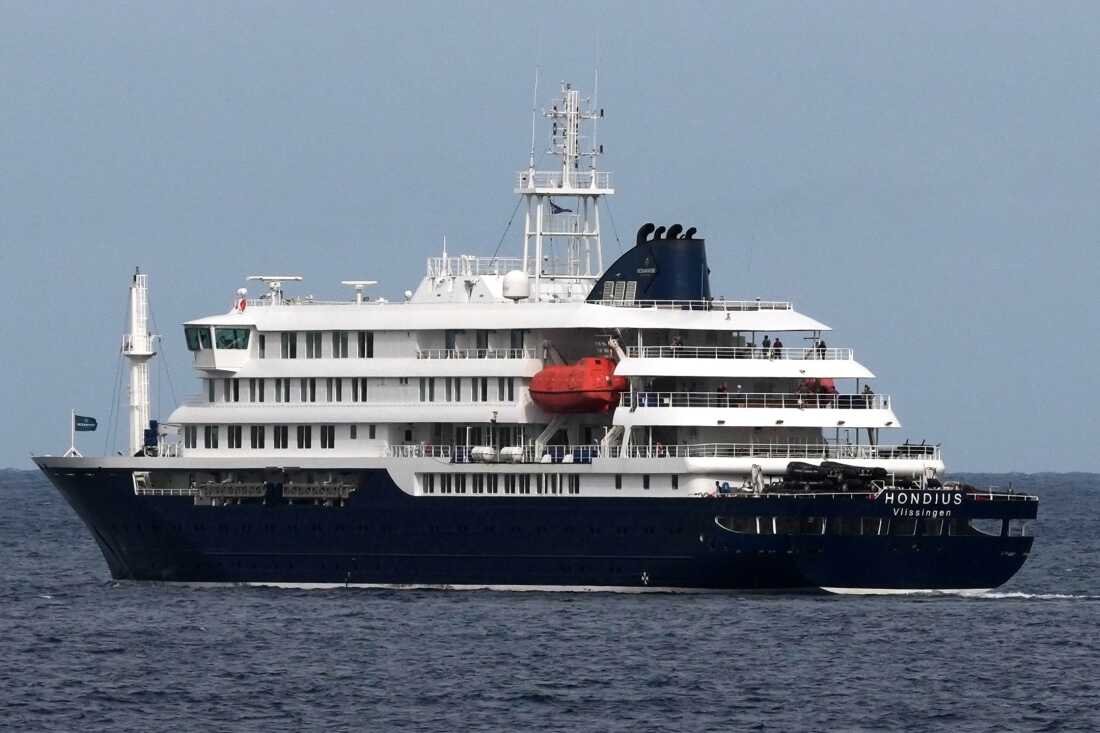
The decision follows reports that a cruise ship linked to Tenerife recorded exposure to hantavirus, a rare disease typically transmitted through contact with infected rodents or contaminated environments.
Although none of the six passengers has shown symptoms, Australian authorities are moving cautiously due to the virus’s extended incubation period of up to 42 days.
The quarantine will take place at Western Australia’s 500-bed Bullsbrook facility, originally constructed during the Covid-19 pandemic to manage large-scale isolation needs.
Key Developments
Minister Butler announced that Australia would list hantavirus under the country’s biosecurity legislation, enabling authorities to formally mandate quarantine.
Repatriation flights from Tenerife are still being finalised. Butler described the operation as logistically demanding, particularly because the long-haul journey will be conducted on a relatively small aircraft.
Upon arrival, the passengers will land at a Royal Australian Air Force https://www.airforce.gov.au base located adjacent to the Bullsbrook quarantine centre. They will then be transferred directly into isolation.
“Those six people will be transferred immediately to that quarantine facility directly next door to the RAAF base,” Butler said.
The initial quarantine period will last at least three weeks. However, officials acknowledged that further measures may be required depending on health assessments during the 42-day incubation window.
Reactions from Stakeholders
Public health analysts say the Australia hantavirus quarantine response reflects lessons learned from the Covid-19 crisis, when delayed containment measures often had costly consequences.
Butler defended the strict stance, noting that some countries have opted for shorter quarantine periods followed by home isolation.
“Australia is implementing a stronger response,” he said, citing the increased risk posed by a prolonged flight in confined conditions.
Authorities emphasised that none of the passengers currently shows symptoms, but insisted that precautionary containment is essential to prevent potential spread.
Implications
The Australia hantavirus quarantine decision signals that Canberra remains prepared to deploy emergency biosecurity powers swiftly when confronted with uncertain infectious threats.
It also underscores the continuing strategic value of pandemic-era infrastructure, such as the Bullsbrook facility, which remains operational for high-risk situations.
For global travellers, the move serves as a reminder that cross-border health monitoring remains strict, particularly when dealing with diseases that have long incubation periods.
The decision may also influence how other countries approach cruise-related outbreaks and repatriation logistics.
What Happens Next
Health authorities will monitor the quarantined individuals closely for any emerging symptoms during the isolation period.
If no cases are detected, the government may ease restrictions after medical clearance. However, officials have not ruled out additional monitoring measures beyond the initial three-week period.
Coordination with Spanish authorities and international health bodies is expected to continue as investigations into the cruise ship exposure proceed.
Conclusion
The Australia hantavirus quarantine measures reflect a government determined not to underestimate emerging health risks.
While the six passengers remain asymptomatic, the decision to enforce extended isolation demonstrates a zero-risk approach rooted in biosecurity vigilance. For Australian authorities, prevention remains the priority even when the threat has yet to fully materialise.