Irregular Migration Warning: South Africa-Based Nigerian Recounts Harrowing Sahara and Libya Ordeal.
Chief Isaac Morba Urges Youths to Shun “Voluntary Trip to Death” as Libya Remains a Deadly Trap for Desperate Migrants.
UMUEZEANYA, NIGERIA – The iNews Times | In a sobering wake-up call against irregular migration, a Nigerian businessman based in South Africa has described the perilous journey through the Sahara Desert and Libya as a “voluntary trip to death,” urging young Nigerians to abandon such routes in search of greener pastures abroad.
Chief Isaac Morba, who survived a near-fatal attempt to reach Europe in 1999, shared his traumatic experience during a recent podcast organised by the Umuezeanya Youth Association. His testimony highlights the deadly risks thousands of Nigerian youths continue to face despite repeated warnings from survivors and authorities.
In this report, we examine the key developments, reactions from stakeholders, and the broader implications.
Background of the Story
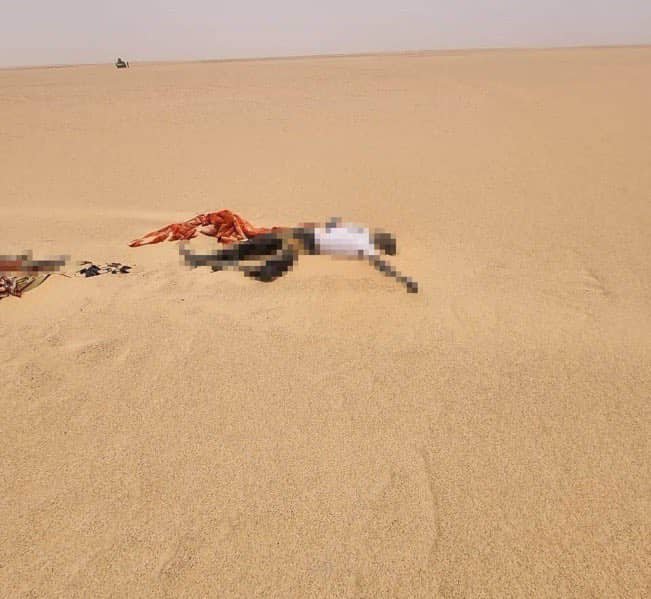
Irregular migration from Nigeria to Europe has persisted for decades, driven by economic hardship, unemployment, and the allure of better opportunities. Many young Nigerians embark on the treacherous overland journey through the Sahara Desert to Libya, followed by dangerous Mediterranean Sea crossings. The route has claimed countless lives due to extreme heat, dehydration, human trafficking, and exploitation by smugglers. Morba’s story dates back to the late 1990s under Muammar Gaddafi’s regime in Libya, a period that, while challenging, has since deteriorated significantly after the 2011 fall of the Libyan leader, turning the country into a lawless hub for militias and traffickers.
Key Developments
During the three-hour podcast session, Morba recounted how his European dream ended abruptly upon reaching Libya. He was forced to return to Nigeria and later attempted to settle in Pakistan, where he endured three difficult years before finding stability in South Africa’s Northwest Province. There, he has successfully built a legitimate business dealing in automobile tyres and vehicle accessories for over 15 years. He emphasised that hundreds, if not thousands, of Nigerians have perished in the desert sands and Mediterranean waters, crediting his own survival solely to divine grace.
Morba painted a grim picture of modern-day Libya, warning that conditions have worsened dramatically. He also revealed how trusted contacts often betray migrants, promising safe passage only to abandon or exploit them for financial gain.
Reactions from Stakeholders
The Umuezeanya Youth Association applauded Morba’s candidness, presenting him with a Certificate of Commendation for his mentorship and efforts to guide young people away from danger.
“I survived by God’s grace, but if you ask me today, I will tell you, it is not worth it,” Morba declared, according to The iNews Times.
He further cautioned: “Today, Libya has become a nightmare for Africans trying to reach Europe. No matter what anyone tells you, don’t go to Libya.”
Implications
Morba’s testimony carries significant weight amid ongoing concerns over irregular migration’s human and economic costs to Nigeria. Beyond the loss of lives, the trend drains the country of valuable human capital while exposing families to immense psychological and financial trauma. Economically, successful legitimate migrants often contribute more through remittances when channels are safe and documented, unlike the exploitative irregular routes that enrich smugglers and criminal networks.
What Happens Next
As global migration policies tighten and awareness campaigns intensify, experts expect more survivors like Morba to amplify voices against dangerous journeys. Nigerian authorities and youth organisations are likely to leverage such personal stories in sensitisation programmes, promoting legal pathways through education, skilled employment, and entrepreneurship.
Conclusion
Chief Isaac Morba’s powerful message serves as a timely reminder that the dream of Europe should not come at the ultimate price. As The iNews Times continues to track migration stories affecting Nigerian youths, his experience underscores the urgent need for collective action by individuals, communities, and government to provide viable alternatives at home and safer opportunities abroad. For Nigeria’s young generation, the real journey to success begins with informed choices and resilience within reach, rather than a deadly gamble across the desert.