Veteran Entertainer Charly Boy Responds to Former President’s Public Teasing.
Former president’s teasing banter with veteran entertainer sparks online debate as Charly Boy frames it as affection rooted in decades of mutual respect.
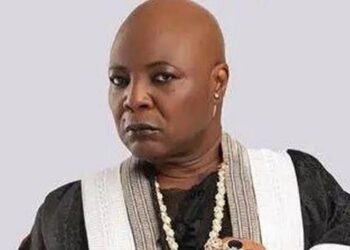
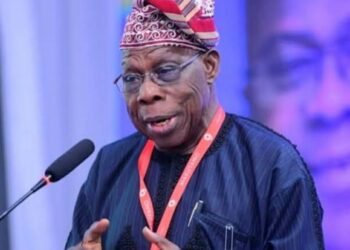
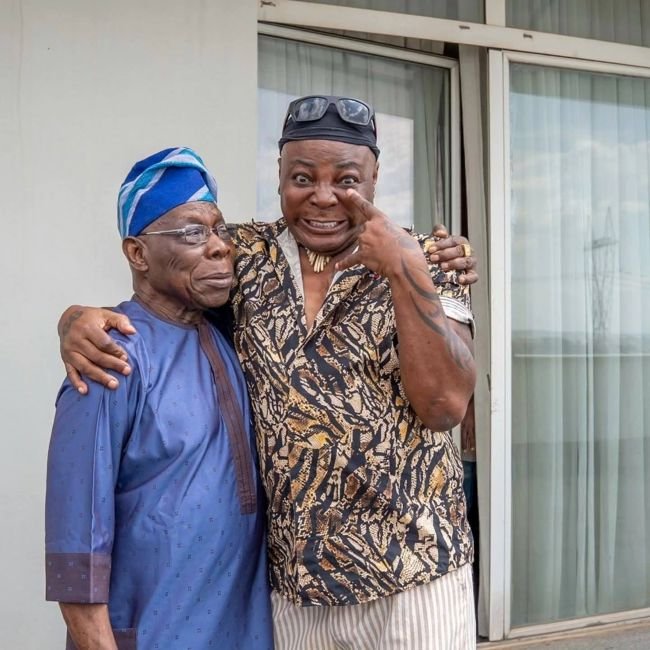
LAGOS, NIGERIA — The iNews Times | Charly Boy has moved swiftly to explain the light-hearted but colourful language used by former President Olusegun Obasanjo, who publicly referred to him as an “ashawo” during the London launch of the entertainer’s memoir, 999.
The veteran performer, born Charles Oputa, took to social media on Friday to address circulating videos from the September 29 event in which Obasanjo, serving as chief host, also labelled him a “thief,” “barawo” and “drug addict” in a series of playful jabs that have since dominated Nigerian online conversations.
In this report, we examine the key developments, reactions from stakeholders, and the broader implications.
Background of the Story
The relationship between Charly Boy and Obasanjo stretches back years and is marked by both public teasing and genuine admiration. Obasanjo has previously described the musician as a “jagajaga boy” while publicly acknowledging the care Charly Boy showed his late father, Justice Chukwudifu Oputa, and later his mother. The former president wrote the foreword to the memoir 999 and hosted its Nigerian launch before travelling to London for the international outing. In Nigerian public life, such banter between elders and younger figures often signals familiarity rather than hostility, a cultural nuance that sometimes escapes social media scrutiny.
Key Developments
At the London event, Obasanjo’s remarks were captured on video and quickly spread across platforms. The former president’s comments mixed humour with pointed nicknames, prompting some Nigerians to question the use of the word “ashawo.” Charly Boy responded directly on X https://www.x.com, insisting the term was never meant literally. “So Baba called me ASHAWO? Una dey ask me why Baba call me ashawo. My people, relax. Baba no mean say I dey run ashawo business. Or like say I dey follow women like Hegoat,” he wrote. He listed the many labels he has carried over a long career jaga-jaga boy, rebel, mad man, even tortoise before noting that Obasanjo had simply added another entry to the list.
Reactions from Stakeholders
Charly Boy framed the public teasing as evidence of closeness rather than disrespect. “If Baba has reached the point where he can stand in public and dey call me like his stubborn son, that one sef na sign of love,” he stated. He reminded followers that the same Obasanjo who now calls him names has also praised the loyalty he showed his parents. “Because this same Baba wey dey call me all these names has also spoken about the things he respects about me, especially the way I stood by my father and later my mother.”
Closing on a characteristic note of defiance mixed with affection, Charly Boy declared, “So if Baba calls me ashawo boy today, no wahala bcos, it takes one to know one. I go just collect the title and continue my journey.” He added that only someone who has entered one’s heart can publicly “disgrace” another with such confidence, before drawing a firm line: “Baba, I hear you. But I no agree with the ashawo part o!”
Implications
The episode offers a rare public window into the informal bonds that still exist between Nigeria’s political class and its cultural figures. In an era when social media often amplifies offence, Charly Boy’s measured response may help recalibrate how Nigerians interpret elder banter. For Obasanjo, the moment reinforces his image as an unfiltered elder statesman comfortable enough with selected younger voices to speak freely. For Charly Boy, the exchange keeps his brand of irreverent authenticity alive while underscoring the mutual respect that has underpinned their association. The story also highlights the enduring power of memoirs and book launches as stages for unexpected political-cultural theatre.
What Happens Next
Observers will watch whether Obasanjo offers any further comment or whether the pair continue their public interactions in the same spirit. Charly Boy is expected to press ahead with promotion of 999, leveraging the publicity generated by the London event. Nigerian audiences, long accustomed to the colourful language of both men, are likely to treat the episode as another chapter in an already colourful public relationship rather than a lasting controversy.
Conclusion
By choosing to interpret Obasanjo’s “ashawo” remark as affection rather than insult, Charly Boy has once again demonstrated the resilience and humour that have defined his public life. The exchange, captured at a book launch far from home, reminds Nigerians that some of the most revealing moments in national life still occur when elders and cultural icons speak to each other without filters something The iNews Times will continue to track closely.