Presidential Aide Rejects Claims of Attack on Tinubu’s Convoy After Abuja Mosque Visit.
Presidency counters viral videos with footage of calm mosque departure as political tensions rise ahead of 2027.
ABUJA, NIGERIA — The iNews Times | Presidential aide O’tega Ogra on Friday firmly dismissed Tinubu convoy attack reports that claimed President Bola Tinubu’s entourage came under assault by stone-throwing youths after Friday prayers in Abuja, describing circulating videos as a deliberate and misleading narrative.
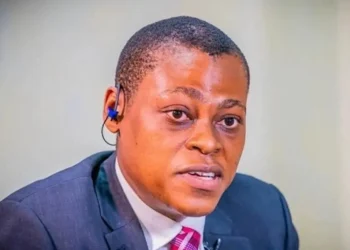
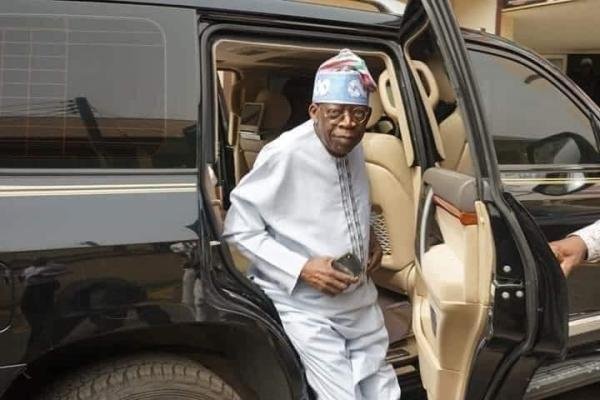
Ogra, Senior Special Assistant to the President on Digital Engagement, Strategy and New Media, released counter-footage showing the President leaving the Shagari Central Mosque in Area 1 without incident, acknowledging well-wishers as he approached his official vehicle. The development has intensified scrutiny of political messaging and security around the President as the 2027 general elections draw closer.
In this report, we examine the key developments, reactions from stakeholders, and the broader implications.
Background of the Story
Concerns over political violence have grown steadily as parties and aspirants begin early mobilisation for the next national polls. President Tinubu has repeatedly urged politicians to focus on issues rather than confrontation. The latest controversy erupted after a video shared by African Democratic Congress https://adc.org.ng chieftain Dino Melaye showed youths pelting a convoy and chanting the Hausa phrase “Ba ma yi, ba ma so” roughly translated as “we don’t want you; we don’t support you.” The footage was widely interpreted online as evidence of an attack linked to the President’s visit to the mosque.
Key Developments
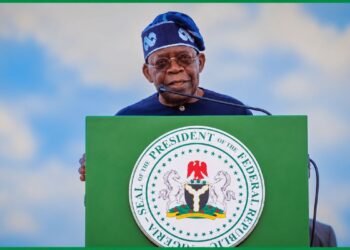
Ogra responded directly on his X handle, rejecting the opposition-driven account. He posted video evidence of President Tinubu, dressed in a white outfit and black cap bearing his traditional insignia, walking calmly from the Shagari Central Mosque after observing Juma’at prayers. Supporters waved and took photographs as the President acknowledged them before entering his vehicle.
“Contrary to the narrative being pushed by the opposition, with videos of their alleged paid thugs at the National Mosque today, here is footage of Mr President leaving the mosque after Friday prayers this afternoon,” Ogra wrote. The Presidency maintained that the viral clips misrepresented events and did not involve the presidential convoy in the manner claimed.
On the same day, President Tinubu issued a personally signed statement cautioning politicians and their supporters against violence. He warned that security agencies had been empowered to deal decisively with thuggery and other anti-democratic activities, while condemning reported incidents of violence at political gatherings across the country.
Reactions from Stakeholders
Ogra’s swift rebuttal framed the circulating videos as an orchestrated attempt to create a false impression of hostility toward the President. Supporters of the administration welcomed the clarification, arguing that the counter-footage restored balance to a rapidly spreading story.
Opposition voices, including those amplifying Melaye’s post, continued to question the official account, insisting the images of stone-throwing youths raised legitimate concerns about public sentiment in parts of the capital. Political observers noted that such competing narratives are becoming more frequent as the electoral season approaches. One Abuja-based analyst told The iNews Times that “the speed with which both sides mobilised online shows how contested every public appearance by the President has become.”
Implications
The episode underscores the fragile security and information environment surrounding high-profile political figures less than a year before the 2027 elections. Viral videos, whether accurate or staged, can quickly shape public perception and fuel polarisation. Tinubu’s warning against thuggery signals that the administration views political violence as a growing threat that could undermine democratic processes if left unchecked.
For ordinary Nigerians, the controversy highlights the risk that campaign-related tension may spill into everyday spaces, including places of worship. It also places fresh pressure on security agencies to protect not only the President but also the integrity of political engagement itself.
What Happens Next
Security agencies are expected to remain on heightened alert around presidential movements and major political events. The Presidency is likely to continue using digital platforms to counter what it considers false narratives in real time. Political parties and aspirants will face increasing scrutiny over the conduct of their supporters as early campaign activities intensify. Further clarification or investigation into the origin of the disputed videos remains possible in the coming days.
Conclusion
The swift rejection of Tinubu convoy attack reports by a senior presidential aide, backed by visual evidence and a strong presidential statement against violence, reflects the high stakes of Nigeria’s evolving political contest. As The iNews Times continues to track developments around national security and electoral preparation, the episode serves as an early warning that the path to 2027 will test both institutional resolve and the maturity of political actors. Peaceful, issue-based engagement remains the only sustainable route for a stable democracy.