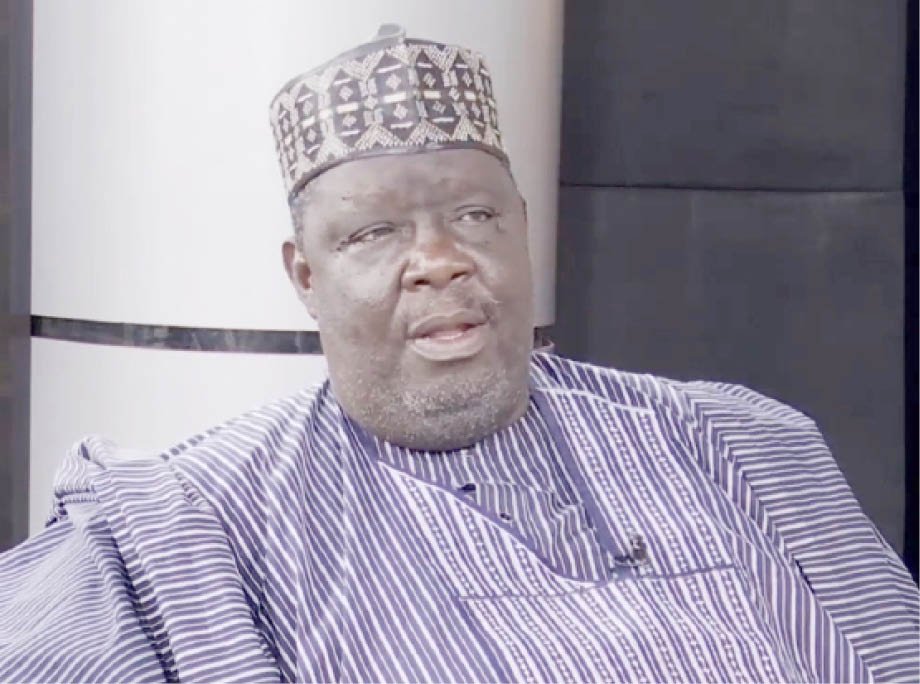
Dangerous 2027 Election Warning Issued by Senator Bala Na’Allah Over Rising Tension.
Former Deputy Senate Majority Leader cites opposition rhetoric on street justice and early attacks on supporters as signs of rising political tension.
ABUJA, NIGERIA — The iNews Times | A dangerous 2027 election could be one of the most volatile in Nigeria’s democratic history, former Deputy Senate Majority Leader Senator Bala Na’Allah has warned, pointing to escalating political tension, attacks on supporters and inflammatory statements by opposition figures.
Speaking in an interview on Arise News https://www.arise.tv on Thursday, Na’Allah expressed deep concern over comments suggesting that electoral disputes would be settled on the streets rather than through the courts, alongside reports of violence already emerging at this early stage of political activities.
In this report, we examine the key developments, reactions from stakeholders, and the broader implications.
Background of the Story
Nigeria’s electoral history has been marked by periods of intense contestation, with violence and post-election litigation frequently shaping outcomes since the return to civilian rule in 1999. As political activities for the 2027 general election begin to gather momentum, early signs of friction have appeared in parts of the North-West. Reports of attacks on vehicles in Kebbi State and alleged assaults on individuals in Sokoto have raised alarm among political actors.
Against this backdrop, statements by opposition voices rejecting judicial resolution in favour of street action have intensified fears that the coming contest could slide into disorder. Na’Allah, who represented Kebbi South in the Senate and earlier served in the House of Representatives, draws on nearly three decades of legislative experience in assessing the current climate.
Key Developments
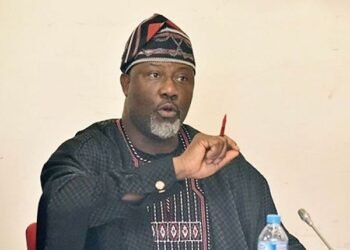
During the Arise News interview, Na’Allah specifically referenced comments attributed to former Kogi West senator Dino Melaye. Melaye had reportedly declared that the opposition would not approach the courts over the 2027 election outcome but would instead defend its votes on the streets. “I have read some statements that are equally not comforting. I have read some people saying, including Dino, who said, ‘We will not go to court. I have never heard this before in my life. We will not go to court. We will settle it on the street,’” Na’Allah stated.
He linked this rhetoric to emerging reports of violence. “And you have just said Dino said some vehicles were broken into and attacked in Kebbi, and then, of course, in Sokoto, there was this idea that some people equally were attacked. This is at the early stage of the campaign. And if this can happen, then what happens on the day of the election? And that’s why I’m saying it’s going to be a bit dangerous.”
Na’Allah further observed that opposition groups, determined to unseat the ruling party, appear ready to go to significant lengths both in campaigning and in defending votes. He described the overall atmosphere as unprecedented in his experience since 1999.
Reactions from Stakeholders
While the interview focused on Na’Allah’s assessment, the former senator placed primary responsibility for preventing violence on all political actors, with particular emphasis on the ruling party and the Federal Government. “The responsibility is on everyone to provide a situation where there will be free, fair and credible elections. But the responsibility is particularly on the ruling party and the government of the day, which has the primary responsibility constitutionally for which it has sworn to protect the people of this country. And therefore, by its conduct, it must lead by example. And by its conduct, it must be seen to protect everybody in this country,” he said.
On the question of whether the All Progressives Congress was restricting opposition campaigns, Na’Allah said he was unaware of any such directive from the party. He characterised the incidents in Kebbi and Sokoto as isolated actions allegedly involving some APC members and urged security agencies in those areas to prevent recurrence. He contrasted the situation with a campaign activity in Ekiti State where no similar complaints of vehicle attacks had been recorded.
Implications
A dangerous 2027 election would carry serious consequences for Nigeria’s democratic stability. Early violence, if left unchecked, risks normalising the use of force as a political tool and could discourage voter participation, particularly among women and young people. Rhetoric that dismisses the courts in favour of street action undermines the institutional framework designed to resolve electoral disputes peacefully and may embolden non-state actors. For the ruling party and government, failure to demonstrate even-handedness and effective security protection could erode public confidence and fuel narratives of bias. The broader political environment, already strained by economic pressures and regional insecurity, would face additional strain if campaign-related clashes escalate.
What Happens Next
Political parties are expected to intensify mobilisation in the coming months. Security agencies will face increasing pressure to respond swiftly to any further incidents and to maintain neutrality. Opposition leaders may clarify or moderate earlier statements as scrutiny grows, while the Independent National Electoral Commission and civil society groups are likely to issue fresh calls for peaceful conduct. Na’Allah’s warning places the onus on both the government and opposition to demonstrate restraint and commitment to a level playing field before tensions harden further.
Conclusion
Senator Bala Na’Allah’s assessment of a potentially dangerous 2027 election serves as an early alarm for Nigeria’s political class. The combination of street-oriented rhetoric and reported attacks at this preliminary stage signals that the path to the next general election requires deliberate de-escalation. As The iNews Times continues to monitor the unfolding political landscape, the choices made by parties, security institutions and the government in the months ahead will determine whether the 2027 contest strengthens or strains the country’s democratic foundations.