Festus Okoye Urges Nigerians to Stop Blaming INEC and Scrutinise Politicians Instead.
Former INEC commissioner shifts focus to political elite and grassroots electoral workers as key to credible polls.
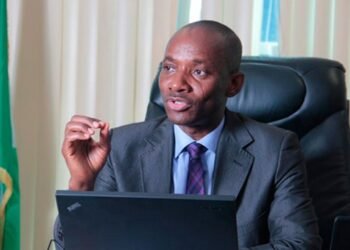
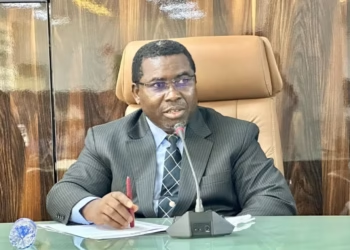
ABUJA, NIGERIA — The iNews Times | Festus Okoye, former National Commissioner for Information and Voter Education at the Independent National Electoral Commission https://inecnigeria.org has called on Nigerians to stop blaming INEC for electoral problems and instead direct greater scrutiny toward politicians and the political elite.
Speaking on Channels Television’s The Morning Brief on Tuesday, Okoye stressed that the integrity of elections rests heavily on ordinary Nigerians and National Youth Service Corps members who serve as ad-hoc staff at polling units, rather than on permanent INEC officials.
In this report, we examine the key developments, reactions from stakeholders, and the broader implications.
Background of the Story
Nigeria’s electoral process has long been a focal point of public frustration, with successive elections marked by disputes over logistics, result transmission, and allegations of manipulation. INEC, as the statutory body responsible for organising elections, frequently absorbs the bulk of criticism when polls fall short of expectations. Yet the commission relies extensively on temporary personnel drawn from the wider society to man the more than 170,000 polling units across the country. Okoye, who previously oversaw information and voter education, has consistently argued that technological improvements alone cannot fix deeper behavioural and political challenges.
Key Developments
Okoye told viewers that permanent, paid INEC staff are largely absent from the polling unit level on election day. Instead, the critical work of conducting the polls and uploading results is performed by Nigerian citizens and corps members serving as Presiding Officers and Assistant Presiding Officers.
He insisted that continuous improvement of the electoral system, including the expanded use of technology, remains essential. However, he placed greater emphasis on the need for sustained public attention on the conduct of politicians before, during and after elections. According to him, the media, civil society organisations and ordinary citizens must shift their primary focus to the activities of the political class if lasting credibility is to be achieved.
Reactions from Stakeholders
Okoye’s remarks are likely to resonate with those who have long argued that INEC is often made a convenient scapegoat. Electoral stakeholders and democracy advocates have repeatedly noted that political actors who benefit from weak institutions or poor compliance with rules bear significant responsibility for the challenges that surface on election day.
While formal reactions from political parties were not immediately available at the time of the interview, the former commissioner’s intervention adds weight to ongoing conversations about shared responsibility in the electoral process. Civil society groups monitoring elections have previously highlighted the dual pressures faced by ad-hoc staff, who operate under intense scrutiny while lacking the permanent institutional backing of core INEC personnel.
Implications
The comments from Festus Okoye carry weight beyond a single television appearance. By redirecting attention from the electoral umpire to the political elite, the intervention challenges a dominant public narrative that has often placed exclusive blame on INEC for irregularities, delays or disputed outcomes.
If widely heeded, the shift could encourage more rigorous monitoring of candidate behaviour, campaign financing, vote-buying attempts and post-election litigation strategies. It also underscores the vulnerability of the system at the grassroots, where young corps members and local volunteers perform high-stakes duties under pressure. Strengthening the training, protection and accountability of these temporary workers may prove as important as further technological upgrades.
What Happens Next
Okoye’s call is expected to fuel further debate ahead of future electoral cycles. Stakeholders will likely press for clearer frameworks that better support ad-hoc staff, improved civic education on the distinct roles of INEC and political actors, and sustained media scrutiny of elite conduct throughout the electoral timeline. Continuous investment in technology remains on the agenda, but the former commissioner has made clear that technology alone cannot substitute for political restraint and public vigilance.
Conclusion
Festus Okoye’s intervention serves as a timely reminder that credible elections in Nigeria depend on more than the performance of the electoral commission. By urging citizens, the media and civil society to watch politicians more closely while recognising the central role of ordinary Nigerians at the polling unit, he has reframed a familiar conversation. The test now lies in whether this perspective gains traction and translates into more balanced accountability across the electoral space. The iNews Times will continue to track developments as the national discourse evolves.