Rufai Oseni Says Life Is Better in Egypt Than Nigeria, Criticises Tinubu’s Fuel Subsidy Stance.
Arise TV anchor delivers scathing comparison as President insists subsidy will not return.
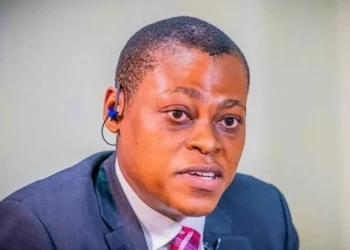
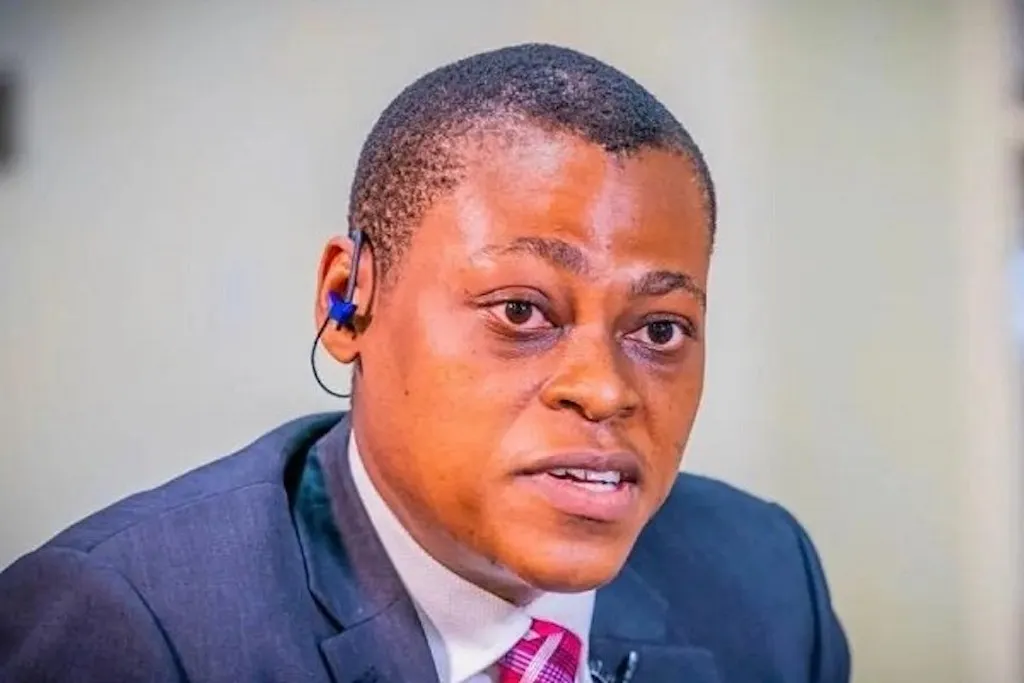
ABUJA, Nigeria — The iNews Times | Arise News anchor Rufai Oseni has declared that life is better in Egypt than Nigeria, launching a sharp attack on President Bola Tinubu for insisting that the country will not return to fuel subsidy.
Speaking on Arise Television’s Morning Show, Oseni questioned the President’s understanding of development realities after Tinubu dismissed opposition promises to restore the subsidy. The broadcaster pointed to Egypt’s superior power supply, education spending, and overall human development indices as evidence that Nigeria lags far behind.
In this report, we examine the key developments, reactions from stakeholders, and the broader implications.
Background of the Story
President Tinubu’s administration removed the fuel subsidy shortly after he assumed office in 2023, arguing that the policy was unsustainable and diverted resources from critical infrastructure. The decision triggered immediate petrol price increases, inflationary pressure, and widespread public hardship.
Opposition figures have repeatedly pledged to reverse the policy if elected, framing subsidy restoration as relief for ordinary Nigerians. On Monday, while addressing the City Boys Movement https://cbmnigeria.org in Abuja, Tinubu firmly rejected any return to the subsidy regime, describing such promises as unrealistic and economically damaging.
The exchange has revived long-running debates about the quality of life in Nigeria compared with other African nations that have invested more consistently in power, education, and social services.
Key Developments
During the City Boys Movement event, President Tinubu stated that Nigeria would not go back to fuel subsidy under his watch. He presented the removal as a necessary reform that would free funds for long-term national development.
Rufai Oseni responded the following morning on national television. He asked whether the President was aware that Egypt outperforms Nigeria on virtually every major human development indicator. Oseni highlighted Egypt’s near-universal electricity access, generation capacity exceeding 63,000 megawatts, and education spending at approximately 2.5 percent of GDP, compared with Nigeria’s roughly 0.5 percent.
He further noted the absence of comparable life expectancy and living standards in Nigeria, asking pointedly whether it made sense for anyone to prefer a country where basic services such as electricity remain unreliable.
Reactions from Stakeholders
Oseni’s remarks have intensified discussion across media and political circles. “Does President Tinubu know that all the human development indices in Egypt is better than that of Nigeria?” the Arise anchor asked. “Somebody should tell him that the Egyptian citizen has 100 percent access to power. Egypt has produced over 63,000 megawatts of electricity. Education is well better. 2.5 percent of Gross Domestic Products, GDP. Nigeria’s own is about 0.5 percent. There is no habitable life expectancy. There is no parameter you compare Egypt to Nigeria. So in terms of going back to Egypt, is it not better for somebody to be in a country where electricity works?”
Supporters of the administration have defended Tinubu’s stance, arguing that continued subsidy would bankrupt the treasury and that temporary pain is the price of structural reform. Critics, however, have seized on Oseni’s comparison as validation of widespread frustration over power outages, rising living costs, and declining living standards.
Implications
The public clash underscores the political sensitivity of energy pricing and service delivery ahead of future electoral contests. Tinubu’s refusal to restore subsidy reinforces his reform narrative but risks alienating citizens still struggling with high transport and food costs.
Oseni’s Egypt comparison shifts the debate from short-term pricing to deeper questions of governance effectiveness. Reliable electricity and higher education investment are presented not as luxuries but as measurable outcomes that separate functional states from those still grappling with basic service delivery. The exchange also highlights the growing role of independent media voices in holding political leaders accountable on development metrics rather than campaign rhetoric alone.
What Happens Next
The Presidency is expected to maintain its position that subsidy restoration is off the table. Opposition parties are likely to continue using the hardship narrative and comparative development failures as campaign material.
Public attention will remain fixed on whether the federal government can translate subsidy savings into visible improvements in power generation, road infrastructure, and social services. Further commentary from economic analysts and civil society groups is anticipated as the cost-of-living pressures persist.
Conclusion
Rufai Oseni’s blunt assertion that life is better in Egypt than Nigeria has elevated a routine policy defence into a broader referendum on Nigeria’s development trajectory. By placing concrete indicators of electricity access, education funding, and living standards at the centre of the discussion, the Arise anchor has forced a conversation that goes beyond fuel prices. For millions of Nigerians still coping with unreliable power and rising costs, the comparison will resonate long after the latest political exchange fades. The iNews Times will continue tracking how the Tinubu administration responds to these persistent questions of performance and delivery.