Anambra confirms Lassa fever case linked to Ayamelum community.
Health authorities move swiftly after patient from Ayamelum is linked to treatment in Ebonyi, raising alerts across communities.
AWKA, NIGERIA — The iNews Times | Anambra State has confirmed a case of Lassa fever in Anambra involving a patient linked to Omasi community in Ayamelum Local Government Area, who is currently receiving treatment at the Federal Teaching Hospital, Abakaliki (FETHA) in Ebonyi State.
The disclosure was made by the Commissioner for Health, Dr Afam Obidike, during an emergency stakeholders’ meeting in Awka. Officials say the state has activated a full emergency response to contain any potential spread and protect residents.
In this report, we examine the key developments, reactions from stakeholders, and the broader implications.
Background of the Story
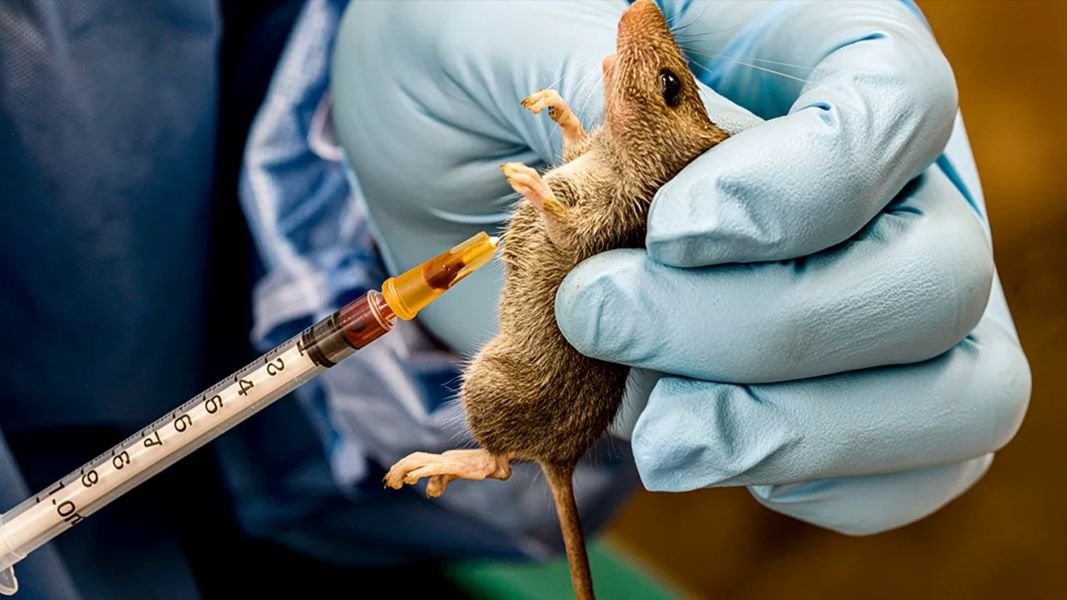
Lassa fever remains a recurring public health threat in parts of Nigeria, particularly in states with high rodent activity and dense rural communities. The viral haemorrhagic disease is primarily transmitted through contact with the urine or droppings of infected multimammate rats, or through direct contact with the blood and body fluids of infected persons.
Anambra has previously recorded sporadic cases, and health authorities have long emphasised the need for vigilance, especially during periods when environmental conditions favour rodent infestation. The current confirmation involving a resident of Omasi in Ayamelum LGA has therefore triggered heightened concern, given the proximity of communities and the movement of people between Anambra and neighbouring states.
Key Developments
Dr Afam Obidike announced that the state has intensified disease surveillance and public awareness campaigns following the confirmation. The emergency stakeholders’ meeting, attended by partners including the World Health Organisation https://www.who.int and Médecins Sans Frontières, led to the formal activation of the Incident Management System.
Health teams have been directed to follow up on the affected household in Omasi, identify all individuals who had contact with the patient, and classify them according to their level of exposure for appropriate monitoring. The patient remains under care at FETHA in Abakaliki.
The Commissioner urged residents experiencing persistent fever or malaria-like symptoms that fail to improve with standard treatment to seek medical attention without delay. He cautioned against exclusive reliance on self-medication, stressing that early diagnosis and professional care are critical to successful management of Lassa fever.
State Epidemiologist Dr Chuma Emembolu reinforced preventive measures. He advised residents to keep food properly covered and stored in rodent-proof containers, maintain clean surroundings, and prevent rats from contaminating household items with urine or droppings. He also warned against any direct contact with the blood or body fluids of suspected or confirmed patients and called for strict adherence to infection prevention protocols issued by health professionals.
Reactions from Stakeholders
Dr Obidike emphasised that the coordinated response with international partners was designed to strengthen preparedness and limit further transmission. “The state has intensified disease surveillance and public awareness,” he stated, underscoring the urgency of the measures.
Dr Emembolu appealed directly to residents of Omasi, other communities in Ayamelum, and the wider state: “We urge residents of Omasi, other communities in Ayamelum and the state at large to remain vigilant, cooperate with public health officials and avoid spreading unverified information.” He noted that the steps taken aim to monitor contacts effectively and reduce the risk of wider spread.
Implications
The confirmation of Lassa fever in Anambra carries significant public health implications. Rapid detection and contact tracing are essential to prevent clusters of infection, particularly in rural communities where access to advanced care may be limited. The involvement of WHO and Médecins Sans Frontières signals the seriousness with which authorities view the situation and the need for sustained technical support.
Beyond immediate health risks, the episode highlights ongoing challenges in rodent control, sanitation, and community health education. Delayed presentation or reliance on self-treatment can increase fatality rates and complicate containment efforts. For Anambra, maintaining public confidence while encouraging early care-seeking will be crucial in the coming weeks.
What Happens Next
Health officials are expected to continue active surveillance in Omasi and surrounding areas, complete contact classification, and provide monitoring for those at risk. Public awareness messages on food storage, environmental hygiene, and symptom recognition are likely to intensify across the state.
Residents are advised to report unusual symptoms promptly and to support contact-tracing teams. Further updates from the Anambra State Ministry of Health will determine whether additional measures, such as targeted community sensitisation or enhanced laboratory support, become necessary.
Conclusion
The confirmed case of Lassa fever in Anambra and the swift activation of emergency structures demonstrate both the persistent threat posed by the disease and the readiness of state authorities to respond. Sustained vigilance, cooperation between communities and health workers, and strict adherence to prevention advice will be decisive in limiting further transmission and protecting public health across Anambra and neighbouring states. The iNews Times will continue to track developments as they unfold.