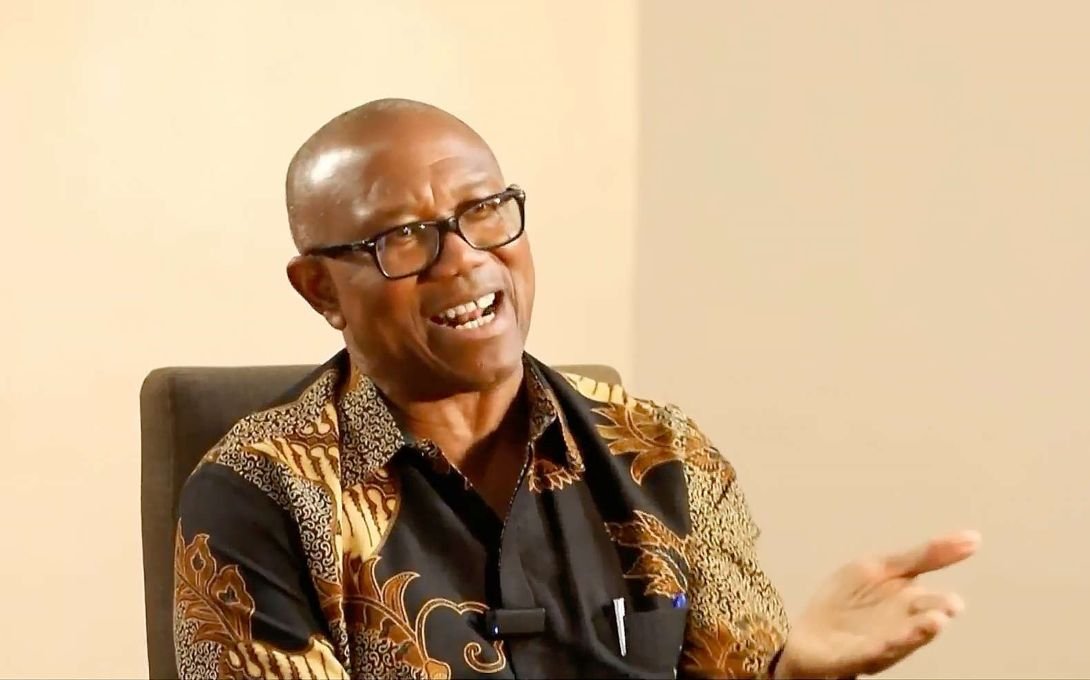
Peter Obi Accuses Tinubu Government of Grand Corruption Over N8.83 Trillion Expenditure.
Opposition leader raises fresh alarm on fiscal transparency as IMF report sparks national debate on public finance management.
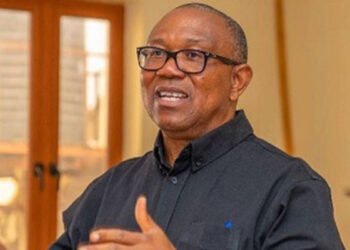
ABUJA, Nigeria – The iNews Times | Former Anambra State governor and Presidential candidate of the Nigeria Democratic Congress (NDC), Mr Peter Obi, has sharply accused the administration of President Bola Tinubu of “grand corruption” following revelations of N8.83 trillion in unbudgeted expenditure. The allegation, contained in a strongly worded statement posted on his X https://x.com account on Sunday, has ignited fresh controversy over fiscal accountability in Nigeria.
Obi, who remains a vocal critic of the current government, described the development as a serious breach of public finance rules that undermines legislative oversight and deepens the nation’s economic woes. As The iNews Times reported earlier, the claims centre on findings from a recent International Monetary Fund consultation report.
In this report, we examine the key developments, reactions from stakeholders, and the broader implications.
Background of the Story
Peter Obi’s latest intervention comes against the backdrop of Nigeria’s persistent economic difficulties, including high inflation, currency volatility, and widespread hardship since President Tinubu assumed office in May 2023. The former Labour Party flagbearer has consistently positioned himself as an advocate for prudent governance, transparency, and accountability, drawing on his track record as a business-oriented leader in Anambra State.
Key Developments
In his statement titled “Grand Corruption: Nigeria’s Greatest Threat,” Obi highlighted that the N8.83 trillion expenditure for 2025 was not captured in the approved budget, placing it outside normal legislative and administrative scrutiny. According to him, the amount represents approximately two per cent of Nigeria’s GDP, over 35 per cent of the N23.96 trillion 2025 capital budget, and surpasses the combined allocations for education (N3.52 trillion) and health (N2.38 trillion).
He argued that if properly utilised, these funds could have transformed public healthcare and education while creating thousands of jobs through cottage industries. Obi insisted this was not an isolated incident but part of a systemic pattern under the All Progressives Congress (APC)-led government.
Reactions from Stakeholders
Political observers and civil society groups have reacted swiftly to Obi’s claims. A leading fiscal governance expert in Abuja told The iNews Times, “Any expenditure of this magnitude outside the budget raises legitimate questions about transparency that must be addressed by relevant authorities.” Supporters of the former presidential candidate have amplified the message online, calling for immediate National Assembly investigation.
The Presidency is yet to issue an official response as of the time of filing this report.
Implications
The accusation carries weighty political, economic, and social ramifications. At a time when many Nigerians face rising costs of living, allegations of massive unaccounted spending could further erode public trust in government institutions. Economically, it raises concerns about fiscal discipline and its potential impact on investor confidence and international partnerships. Politically, the development may shape narratives ahead of future electoral cycles, particularly as opposition figures intensify scrutiny of the administration’s performance.
What Happens Next
Analysts expect the National Assembly, particularly the appropriation committees, to demand detailed explanations from the executive arm. Obi has reiterated his earlier call for President Tinubu to resign, citing what he described as incompetence and failure to deliver on campaign promises. The IMF report is likely to come under closer examination by policy experts and anti-corruption agencies in the coming days.
Conclusion
As Nigeria navigates complex economic reforms, Peter Obi’s latest broadside on grand corruption underscores the urgent need for greater transparency and accountability in public finance management. The iNews Times will continue to track developments and provide balanced coverage as more details emerge from both the government and independent verification sources. The resolution of these concerns remains critical to restoring citizens’ faith in governance and securing a more stable economic future for Africa’s largest economy.