Nigeria Fuel Price Adjustments Signal Relief as Retailers Target N1,000 Per Litre.
Filling Stations Signal Major Relief for Nigerian Motorists Amid Falling Crude Costs.
ABUJA, Nigeria – The iNews Times | Nigeria fuel price drop appears imminent as major filling stations across the country hint at slashing pump prices to near N1,000 per litre, responding to sustained pressure from consumers and declining global crude oil benchmarks.
This development offers a glimmer of respite for millions of Nigerians grappling with high living costs since the removal of fuel subsidies.
In this report, we examine the key developments, reactions from stakeholders, and the broader implications.
Background of the Story
Nigeria’s downstream petroleum sector has experienced significant volatility since the bold deregulation policy implemented by President Bola Ahmed Tinubu’s administration in 2023. For decades, the country relied heavily on imported petroleum products despite being Africa’s largest crude oil producer. The operational start of the Dangote Refinery marked a potential turning point, promising to reduce import dependence and influence domestic pricing.
Recent weeks have seen a notable downward trend in fuel costs, driven largely by international market dynamics.
Key Developments
The Nigerian National Petroleum Company Limited (NNPCL) https://nnpcgroup.com recently adjusted its petrol price to N1,210 per litre, following Dangote Refinery’s reduction of its gantry price to N1,125 per litre just days earlier.
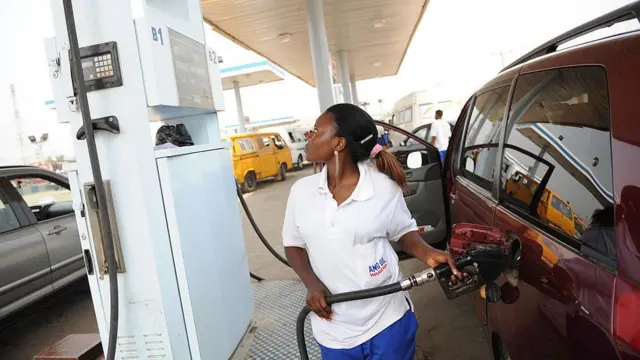
As of Monday night, pump prices in Abuja and surrounding areas ranged between N1,210 and N1,300 per litre. This comes as Brent crude and West Texas Intermediate hovered around $72 and $70 per barrel respectively, a sharp decline from peaks above $100 amid eased Middle East tensions.
Independent marketers are now aligning with this trajectory.
Reactions from Stakeholders
An MRS filling station manager in Abuja, speaking anonymously to our correspondent, confirmed plans to reduce prices to between N1,201 and N1,191 per litre by Tuesday or Wednesday.
Chinedu Ukadike, spokesperson for the Independent Petroleum Marketers Association of Nigeria (IPMAN), echoed this optimism. “The price would head towards N1,000 per litre if crude oil prices continued to fall,” he stated.
Ukadike attributed current pricing dynamics to refiners and importers, emphasizing market responsiveness: “Petroleum product markets want the best fuel price for their customers to remain competitive. So you see this is coming down gradually. It’s possible the fuel price will drop to N1,000 per litre or less if the crude oil price keeps reducing and refiners and depot owners follow. It is simply based on the factors of demand and supply.”
The Federal Competition and Consumer Protection Commission has also issued stern warnings against exploitation, urging oil firms to pass on benefits to consumers.
Implications
A Nigeria fuel price drop to the N1,000 range would deliver much-needed economic relief, potentially easing inflationary pressures on transportation, food distribution, and manufacturing.
For ordinary citizens, it could translate to lower commuting costs and improved household budgets. Politically, it offers the Tinubu administration a tangible win in its economic reform narrative, even as critics continue to question the pace of benefits reaching the masses.
What Happens Next
Industry watchers expect further adjustments in the coming days, contingent on sustained low crude prices and alignment across the supply chain.
The iNews Times will continue monitoring developments as marketers respond to market forces and regulatory oversight.
Conclusion
As Nigeria’s energy sector gradually aligns with global realities and local refining capacity strengthens, this potential petrol price reduction signals a positive shift. While challenges remain in achieving full energy security, the current momentum underscores the power of market-driven pricing in delivering relief to long-suffering consumers. The coming weeks will prove decisive in determining how far this relief extends.