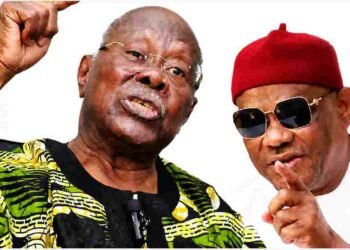
…says the Apo property dispute suit is legally incompetent and improperly instituted.
Abuja, Nigeria — The iNews Times reports that the Nigerian Army has described the ongoing Apo property dispute suit filed by Professor John Ntui Ntuiabane as an abuse of court process, urging the Federal High Court to dismiss the case for being incompetent.
The suit, marked FHC/ABJ/C’S/2635/2025, was instituted by Prof. Ntuiabane, who is seeking judicial interpretation on the constitutional right of citizens to own property in Nigeria, alongside other reliefs.
At the centre of the Apo property dispute is a contested plot of land located in the Apo District of the Federal Capital Territory (FCT). The property was originally allocated to a retired and now deceased Major but is currently occupied by a retired Naval chief.
Background to the Dispute
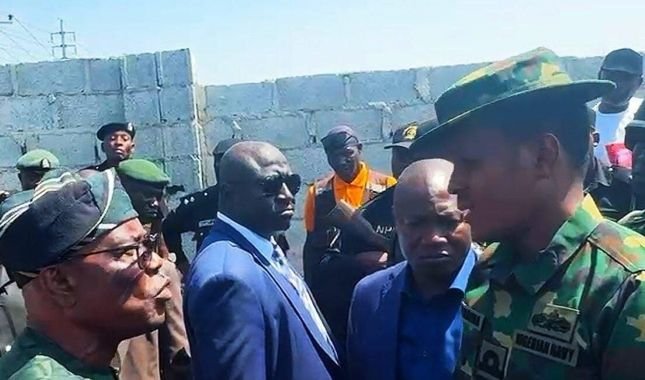
The disputed Apo property gained national attention following an altercation involving Lt. Ahmed Yerima, a young Naval officer said to be guarding the plot, and the Minister of the Federal Capital Territory, Nyesom Wike.
The confrontation occurred when the minister led a team of officials from the Federal Capital Territory Administration to the property. The incident quickly became highly publicised, drawing reactions across legal and political circles.
In his suit, Prof. Ntuiabane is also seeking to preserve what he described as the right of the retired deceased Major who was initially allocated the property. The professor argues that broader constitutional questions arise from the circumstances surrounding the Apo property dispute, particularly concerning property ownership rights.
Army Files Preliminary Objection
However, the Nigerian Army has strongly opposed the suit. In a preliminary objection dated March 24, 2026, and filed by human rights lawyer Victor Giwa, the Army asked the court to dismiss the case in its entirety.
According to the Army, the Apo property dispute suit is legally incompetent and improperly instituted.
“The suit is grossly incompetent, having been filed via Originating Process, highly speculative and hypothetical and academic in nature,” Giwa stated in the preliminary objection.
The Army further challenged the jurisdiction of the Federal High Court to entertain the matter, arguing that the issues raised by the claimant do not warrant judicial intervention in the manner presented.
Giwa contended that the claimant is attempting to obtain a judicial pronouncement on what he described as an academic question, rather than a concrete dispute requiring resolution by the court.
In a sharp remark, he urged the court to strike out the suit and “assign it as a classroom handbook,” suggesting that the matter is better suited for academic discourse than judicial determination.
Defendants in the Suit
The plaintiff listed several high-profile officials as defendants in the Apo property dispute. They include the Minister of Defence, the Minister of State for Defence, the Chief of Defence Staff, and the Chief of Naval Staff.
Also named in the suit are Vice Admiral Zubairu Gambo, Lt. Ahmed Yerima, and the Attorney-General of the Federation.
The inclusion of top military and government officials underscores the gravity and sensitivity of the matter, especially given the earlier confrontation at the disputed site.
Legal and Constitutional Questions
At the heart of the Apo property dispute are questions about property rights, allocation procedures, and the authority of public officials in handling contested lands within the Federal Capital Territory.
While the professor seeks constitutional interpretation regarding citizens’ right to own property, the Army maintains that the case, as presented, lacks merit and proper legal foundation.
Legal observers note that the outcome of the preliminary objection will determine whether the court proceeds to hear the substantive issues raised in the suit or strikes it out for lack of competence and jurisdiction.
Awaiting Court’s Decision
As the Apo property dispute unfolds, attention is now focused on the Federal High Court’s decision regarding the Army’s preliminary objection.
If the court upholds the objection, the suit could be dismissed at this preliminary stage. However, if the court finds merit in the professor’s arguments, the matter may proceed to full hearing, potentially opening broader debates about property rights and administrative actions within the FCT.
For now, the legal battle adds another layer of complexity to an already controversial dispute that has attracted national interest.
The court’s ruling on the objection is expected to clarify the next phase of the Apo property dispute and determine whether the professor’s claims will stand judicial scrutiny.