FRSC Launches Operation Guduma to Tackle Overloading, Plate Abuse.
Security-driven patrol begins in Awka as Corps warns offenders of stiff sanctions.
AWKA, NIGERIA – The iNews Times | Operation Guduma has been officially launched by the Federal Road Safety Corps https://frsc.gov.ng as part of a strategic nationwide intervention to clamp down on the use of fake diplomatic number plates and rampant overloading on Nigerian roads.
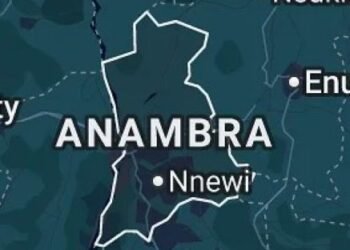
The Corps Marshal, Shehu Mohammed, unveiled the initiative on Monday in Awka, Anambra State, describing the development as a direct response to rising security concerns linked to the misuse of ambassadorial and diplomatic number plates.
In this report, we examine the key developments, reactions from stakeholders, and the broader implications.
Background of the Story
The launch of Operation Guduma comes amid growing concerns over insecurity across Nigeria and allegations that some individuals have been exploiting fake diplomatic and government number plates to evade scrutiny.
Diplomatic and ambassadorial plates are traditionally accorded certain privileges and are expected to be used strictly by accredited officials. However, authorities say the abuse of such plates has become widespread, posing serious security risks.
The FRSC, by law, is responsible for the design and production of number plates in Nigeria, while state governments handle issuance to qualified government officials, including lawmakers.
Key Developments
Represented at the inauguration by Assistant Corps Marshal Oko Etuali, Head of the Transport Union Coordination Unit, the Corps Marshal revealed that investigations uncovered a disturbing trend of private individuals using counterfeit diplomatic plates.
“We discovered that most people are faking ambassadorial or diplomatic number plates and using them to ply the roads,” Mohammed said.
He warned that, given the prevailing insecurity in the country, such practices could no longer be tolerated.
“Considering the insecurity in the country, the corps launched this strategic intervention patrol to ensure that all those using fake ambassadorial number plates and other illegal government number plates are brought to book,” he added.
According to him, Operation Guduma has already commenced in some states, with the exercise in Anambra and Enugu scheduled to run from May 18 to May 22.
Mohammed clarified that while the FRSC designs and produces number plates, it only advises state governments on the withdrawal of plates issued to lawmakers after their tenure expires.
“Most of the time, during handover processes or change of government, many former officials fail to return the number plates issued to them,” he said, noting that such plates carry expiry dates that make them identifiable.
Beyond fake plates, the operation will also target overloading, a persistent road safety violation linked to fatal crashes.
The Corps disclosed that its newly created Transport Union Coordination Unit has commenced sensitisation campaigns in motor parks to educate drivers about the dangers of overloading passengers and goods.
“The mentality of many drivers is that the more passengers or goods they load, the more money they make, without considering the safety of other road users,” Mohammed said.
He warned that after the enlightenment phase, enforcement would begin in full force, and drivers caught violating regulations would face sanctions designed to deter others.
Reactions from Stakeholders
Transport union members who attended the inauguration acknowledged the need for stricter enforcement but urged the FRSC to ensure fairness.
A commercial driver in Awka, who spoke to The iNews Times, said, “We support safety, but enforcement must be transparent. Some drivers overload because of economic hardship. The government must also address the root causes.”
Security analysts, however, argue that the misuse of diplomatic plates is a far graver issue.
“When fake diplomatic plates circulate freely, it creates loopholes that criminals can exploit,” said a security consultant based in Enugu. “Operation Guduma is long overdue.”
Implications
The launch of Operation Guduma signals a more aggressive enforcement posture by the FRSC at a time when public trust in road regulation and security oversight is under scrutiny.
Clamping down on fake diplomatic plates could enhance accountability and close security gaps that may have been exploited for illicit activities.
Simultaneously, stricter measures against overloading could reduce accident rates, particularly on highways notorious for fatal crashes involving commercial vehicles.
However, the success of the operation will depend on sustained enforcement beyond the initial five-day window and collaboration with state authorities.
What Happens Next
With the operation underway in Anambra and Enugu, the FRSC is expected to intensify patrols, conduct vehicle inspections, and prosecute offenders where necessary.
Drivers and former public officials found in possession of expired or fake government plates may face penalties, including confiscation and legal action.
Observers will be watching closely to see whether Operation Guduma evolves into a long-term national enforcement framework or remains a short-term intervention.
Conclusion
Operation Guduma marks a decisive move by the Federal Road Safety Corps to restore integrity to Nigeria’s number plate system and curb dangerous road practices.
As enforcement begins in Anambra, the message from authorities is clear: the era of abusing diplomatic privileges and endangering lives through overloading is coming under serious scrutiny.
The iNews Times will continue to monitor the implementation of the operation and its impact on road safety and security across the country.