Legal Scholar Sam Amadi Says AI Cannot Fix INEC’s Human Shortcomings Ahead of 2027.
Legal scholar says technology cannot replace accountability as electoral body explores artificial intelligence for result collation.
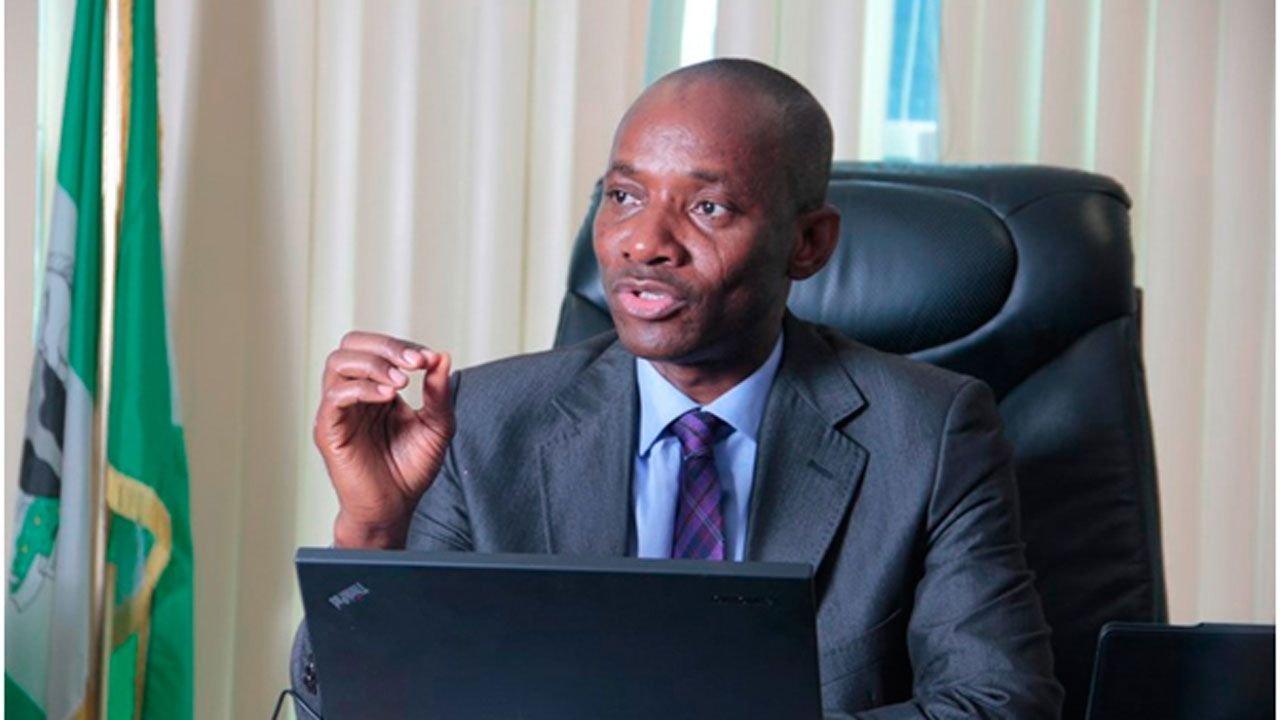
ABUJA, NIGERIA — The iNews Times | As Nigeria prepares for the 2027 elections, Dr Sam Amadi, Director of the Abuja School of Social and Political Thought, has issued a sharp warning that the Independent National Electoral Commission’s https://inecnigeria.org focus on Artificial Intelligence risks becoming a distraction from the real problem that undermined the 2023 general elections: human failure.
Speaking during an interview on Arise Television on Sunday, Amadi insisted that Artificial Intelligence cannot correct the procedural and institutional shortcomings that defined the last polls. His comments come as INEC publicly considers deploying AI tools to collate results in the next national elections, a move the scholar described as a potential “cop-out.”
In this report, we examine the key developments, reactions from stakeholders, and the broader implications.
Background of the Story
The 2023 general elections were marked by widespread complaints over delayed result uploads, inconsistent application of technology such as the Bimodal Voter Accreditation System, and questions about the integrity of the result transmission process. While INEC defended its systems, critics across political divides argued that many of the breakdowns stemmed from human decisions, weak internal controls, and uneven enforcement of electoral laws rather than purely technical limitations. Against this backdrop, the commission has begun exploring advanced digital tools, including AI, to strengthen collation and logistics ahead of 2027. Amadi’s intervention adds a sceptical voice to a growing national conversation about whether technology alone can restore public confidence.
Key Developments
Amadi made it clear that he does not reject technology outright. He acknowledged that Artificial Intelligence can support analytics, data uploads, and logistics planning. However, he stressed that these tools cannot substitute for physical oversight and strict adherence to legal procedures by electoral officials.
“AI can be useful for analytics, uploads and logistics, but it cannot replace physical oversight,” Amadi said. He added that INEC must prioritise fixing its internal processes and ensuring that its officials fully comply with the law. In his assessment, shifting attention heavily toward AI at this stage amounts to avoiding the harder work of institutional reform.
“In my view, focusing on AI at this point is a cop-out because the failures of the 2023 election were caused by human procedures,” he stated. The remarks place renewed pressure on INEC to demonstrate that any technological upgrade will be matched by stronger accountability mechanisms and better-trained personnel.
Reactions from Stakeholders
Amadi’s position is likely to resonate with civil society groups and opposition figures who have long argued that electoral integrity depends more on human integrity than on gadgets. Election observers have repeatedly noted that technology performs only as well as the people operating it. Within INEC circles, officials have previously defended the commission’s technological investments as necessary modernisation. Some political actors may welcome Amadi’s caution, while others who favour rapid digitalisation could view it as resistance to progress. The debate underscores a familiar tension in Nigerian public discourse: the temptation to seek technological solutions for problems that are fundamentally administrative and political.
Implications
The warning carries significant weight for the credibility of the 2027 elections. If INEC proceeds with AI-driven collation without first addressing the human and procedural weaknesses exposed in 2023, public trust could erode further. A failure to balance innovation with accountability risks repeating past controversies and deepening cynicism among voters. Politically, the conversation also highlights the stakes for the ruling party and the opposition, both of which will scrutinise every reform for signs of bias or inadequacy. For ordinary citizens, the core issue remains whether the next election will be more transparent and credible than the last.
What Happens Next
INEC is expected to continue consultations and technical assessments on the possible use of Artificial Intelligence. Civil society organisations and legal experts will likely intensify calls for complementary reforms in training, supervision, and enforcement of electoral laws. The commission’s next public briefings and any pilot programmes will be closely watched. Political parties are also expected to take positions on the proposed technological shift as campaign strategies for 2027 begin to take shape. The iNews Times will continue monitoring how INEC balances innovation with institutional discipline in the months ahead.
Conclusion
Dr Sam Amadi’s intervention serves as a timely reminder that technology is only as effective as the systems and people that deploy it. As Nigeria moves toward the 2027 elections, the real test for INEC will not be how sophisticated its tools become, but whether it can eliminate the human failures that previously undermined public confidence. Artificial Intelligence may assist, but it cannot replace integrity, oversight, and the rule of law.