Federal Government Receives 105 Nigerians Rescued from Cybercrime Syndicates in Ghana.
Federal Government welcomes 105 citizens as NAPTIP coordinates reintegration following joint security action.
ABUJA, NIGERIA — The iNews Times | The Federal Government has formally received 105 Nigerians rescued from cybercrime syndicates in Ghana, marking a significant success in cross-border efforts against organised crime and human exploitation.
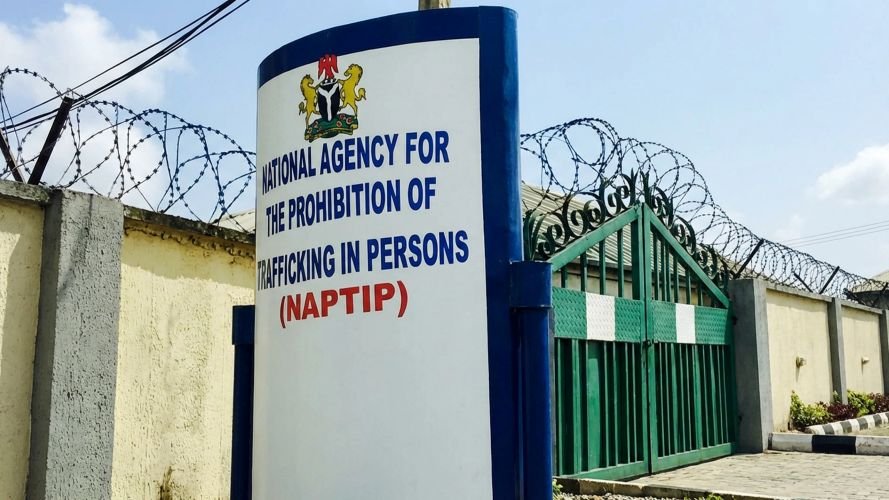
The returnees arrived after a coordinated operation triggered by intelligence from Ghana’s Cyber Security Authority and led on the Nigerian side by the National Agency for the Prohibition of Trafficking in Persons https://naptip.gov.ng. The development underscores growing regional collaboration to dismantle networks that lure young people abroad with false promises of lucrative work only to trap them in illegal activities.
In this report, we examine the key developments, reactions from stakeholders, and the broader implications.
Background of the Story
Cybercrime networks operating across West Africa have increasingly targeted Nigerians with deceptive recruitment offers that often mask forced labour, identity fraud and online scams. Ghana has emerged as one of the destinations where such syndicates establish operations, prompting closer security cooperation between Abuja and Accra. The latest intervention followed a formal alert from Ghanaian authorities to the Office of the National Security Adviser, highlighting the scale of the problem and the vulnerability of citizens seeking opportunities outside Nigeria.
Key Developments
According to a statement released on Monday by NAPTIP’s Head of Press and Public Relations, Vincent Adekoye, the Ghanaian government rescued 119 Nigerians during the operation. Of these, 105 have already been repatriated while efforts continue to bring home the remaining 14.
NAPTIP led a multi-agency Nigerian team that included the Nigeria Immigration Service, the Department of State Services, the National Intelligence Agency, the National Commission for Refugees, Migrants and Internally Displaced Persons, the Nigerian High Commission in Ghana and the Federal Airports Authority of Nigeria.
Upon arrival, the returnees were received by NAPTIP Director-General Binta Lami Adamu Bello on behalf of the Federal Government. She welcomed them, assured them of their safety and urged them to remain calm as officials begin profiling and reintegration processes. These procedures are designed to establish the individual circumstances of each returnee and determine the protection, support and assistance they may require.
NAPTIP specifically commended the Cyber Security Authority of Ghana and the Ghana Immigration Service for their decisive roles. The agency also acknowledged the support of the United Kingdom’s National Crime Agency, the Office of the National Security Adviser and other Nigerian security partners.
Reactions from Stakeholders
Director-General Binta Lami Adamu Bello described the reception as a critical first step in restoring dignity and security to the affected citizens. “We welcome you home and assure you of your safety,” she told the returnees. “Remain calm while we carry out the necessary profiling and reintegration. Our goal is to understand what each of you has experienced and to provide the support you need.”
NAPTIP further stated that the agency remains committed to working with both local and international partners to combat human trafficking and related forms of exploitation. The organisation issued a clear public advisory: “Nigerians should be cautious of opportunities abroad that promise unrealistic benefits, have unclear job descriptions or involve questionable recruitment processes.”
Implications
The successful repatriation of these Nigerians rescued from cybercrime syndicates highlights both progress and persistent challenges. It demonstrates the value of intelligence sharing and joint operations between Nigeria and Ghana, yet it also reveals how trafficking networks continue to exploit economic desperation and the allure of quick financial gain. The involvement of NAPTIP signals that many of those caught in these schemes may have been victims of trafficking rather than willing participants, raising important questions about protection, rehabilitation and the prevention of re-trafficking.
For policymakers, the episode reinforces the need for stronger public awareness campaigns, tighter regulation of overseas recruitment and sustained diplomatic engagement with neighbouring countries. Economically and socially, the return of these citizens presents an opportunity for reintegration programmes that equip them with skills and support systems capable of reducing vulnerability to future exploitation.
What Happens Next
NAPTIP will continue the profiling and needs assessment of the 105 returnees while working with partners to secure the return of the remaining 14 still in Ghana. Officials are expected to provide tailored protection, counselling and livelihood support based on individual circumstances. Further joint operations and information-sharing mechanisms between Nigerian and Ghanaian agencies are likely to be strengthened in the coming months as both countries seek to disrupt remaining cybercrime networks.
Conclusion
The safe return of 105 Nigerians rescued from cybercrime syndicates stands as a concrete demonstration of what coordinated regional action can achieve. Yet it also serves as a sobering reminder that the fight against organised exploitation requires constant vigilance, public education and sustained international partnership. As The iNews Times continues to track these developments, the focus remains on ensuring that every Nigerian who falls prey to such schemes finds a pathway back to safety and dignity.