…Nigerian airlines may have overpaid more than ₦150 billion on aviation fuel between February and April alone.
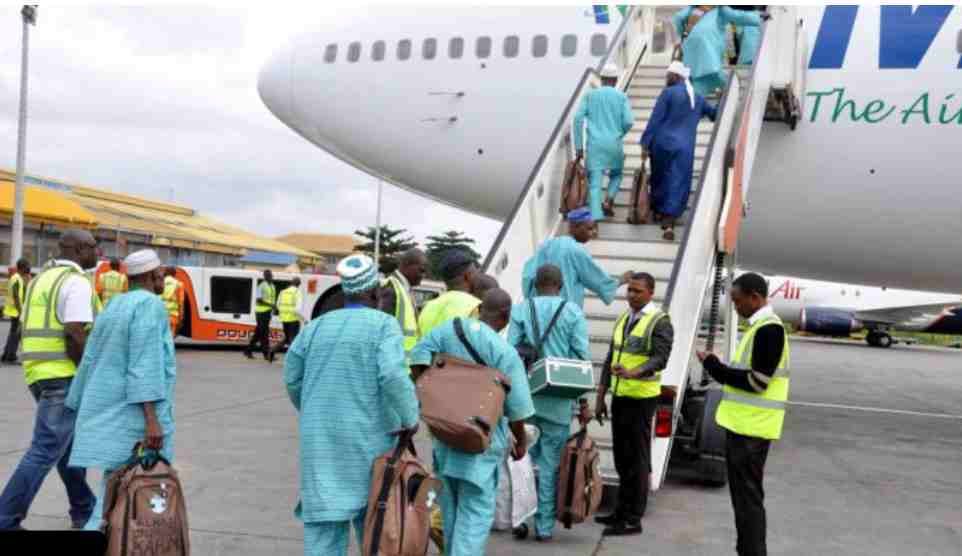
ABUJA, NIGERIA- The iNews Times| Stakeholders in Nigeria’s aviation sector have urged both federal and state governments to take urgent action over the sharp rise in aviation fuel prices, warning that the crisis could jeopardise the successful airlift of pilgrims to Saudi Arabia for the 2026 Hajj.
The situation has already begun to take its toll, with domestic airlines scaling down operations in response to the escalating cost of Jet A1 fuel.
Under the aegis of Concerned Aviation Stakeholders, industry players described the development as one of the most serious logistical and financial threats to Hajj operations in recent years. The group’s President, Alhaji Bukalti Usaman Gamawa, said the surge in fuel prices is placing airlines under intense pressure and could derail preparations if left unaddressed.
According to him, many airlines contracted for the Hajj exercise are relying on leased aircraft to meet demand, but the spike in fuel costs, both in Nigeria and Saudi Arabia, has significantly eroded their expected profit margins.
He warned that some operators may be forced to run at break-even or even incur losses, adding that without swift intervention, airlines could struggle to commence outbound flights or sustain return operations.
Gamawa stressed that although governments no longer provide direct subsidies for Hajj operations, emergency measures such as pricing regulation, foreign exchange support, or strategic fuel supply arrangements may be required to prevent a breakdown of the system.
He noted that Jet A1 prices have risen from about ₦1,000 per litre at the time contracts were signed to as high as ₦3,000 across major Nigerian airports, a 200 per cent increase. On the Saudi side, prices have also more than doubled, rising from approximately $0.68 to $1.40 per litre.
This dual increase, he explained, creates a heavy financial burden for airlines, particularly as they must purchase return-flight fuel in foreign currency at international market rates.
Industry estimates show that airlines consume about 70,000 litres of fuel per flight, meaning costs have surged from roughly ₦70 million per trip to as high as ₦175 million under current conditions.
Stakeholders further revealed that Nigerian airlines may have overpaid more than ₦150 billion on aviation fuel between February and April alone, underscoring the scale of the crisis.
The Airline Operators of Nigeria (AON) had earlier warned that the more than 300 per cent increase in Jet A1 prices within a short period is unsustainable and poses a serious threat to airline operations nationwide.
Efforts to resolve the issue have so far yielded little progress. A recent meeting convened by the Minister of Aviation and Aerospace Development, Festus Keyamo, ended without a concrete agreement, though further consultations have been promised.
Amid the uncertainty, airlines have begun adjusting their operations. Air Peace has reduced the frequency of its Abuja–London service to three weekly flights until July 1, 2026, citing fuel supply constraints. Similarly, Ibom Air is considering capacity reductions to manage the situation.
Operators warn that if the crisis persists, ticket prices may rise significantly, placing additional financial strain on intending pilgrims. In a worst-case scenario, stakeholders fear that parts of the 2026 Hajj airlift could face serious disruptions or even operational failure without timely government intervention.