…hopes of renewed peace talks have dimmed after Trump cancelled a planned visit to Islamabad by his envoys.
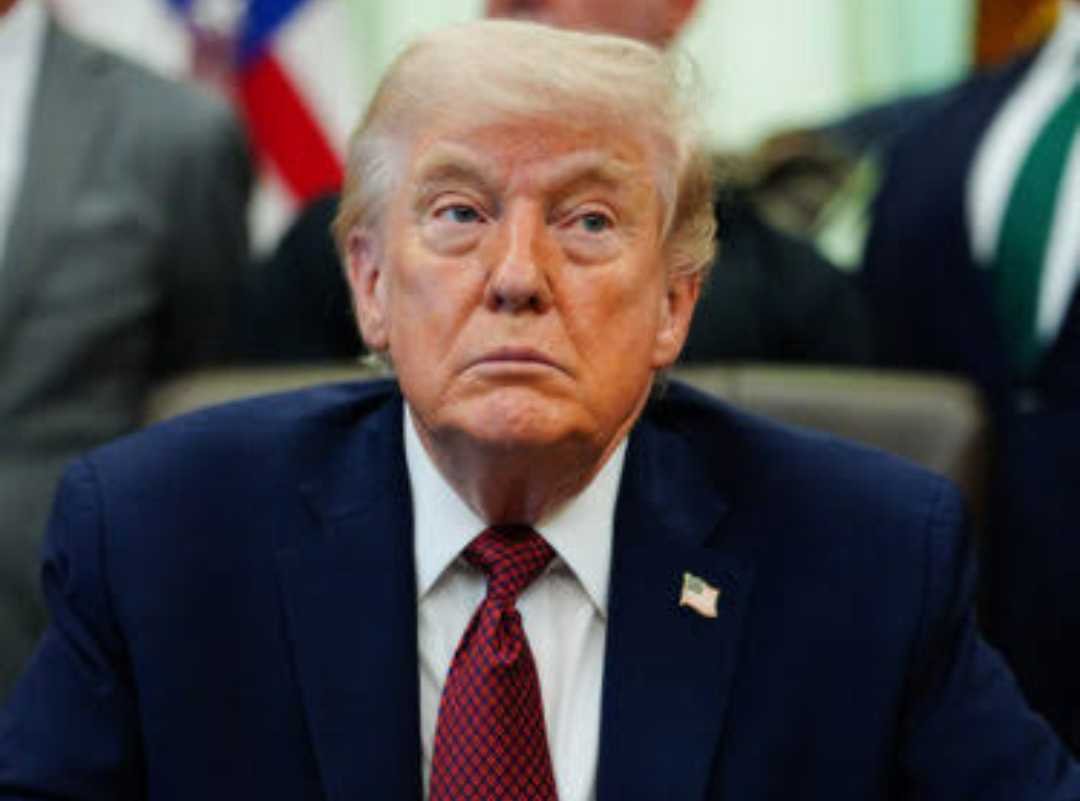
USA- The iNews Times| U.S. President Donald Trump has said Iran is free to initiate talks to end the ongoing conflict involving the United States and Israel, even as diplomatic efforts remain uncertain.
Speaking during an interview on Fox News, Trump stated that Tehran could reach out at any time if it was willing to negotiate, but stressed that any agreement must include a firm commitment that Iran would not develop nuclear weapons.
He said, “If they want to talk, they can come to us, or they can call us. There is a telephone. We have secure lines,” adding that Iran already understands the key conditions for a deal.
However, hopes of renewed peace talks have dimmed after Trump cancelled a planned visit to Islamabad by his envoys, including Steve Witkoff and Jared Kushner, citing concerns over cost and what he described as an inadequate offer from Iran.
Despite the absence of U.S. representatives, Iran’s Foreign Minister, Abbas Araqchi, has continued diplomatic engagements, holding talks in Pakistan before travelling to Oman, another key mediator in the crisis.
In Oman, Araqchi met with the country’s leader, Haitham bin Tariq al-Said, where discussions focused on regional security and the situation in the Strait of Hormuz. He also called for a security framework in the region free from external interference.
Araqchi later returned to Pakistan for further consultations with government officials and is expected to continue discussions in Moscow as part of ongoing mediation efforts.
According to Iranian state media, the talks in Pakistan are expected to cover issues such as a proposed legal framework for the Strait of Hormuz, compensation related to the conflict, guarantees against further military action, and the lifting of naval restrictions imposed on Iran. The discussions, however, are said to be separate from Iran’s nuclear programme.
Although a ceasefire has halted large-scale fighting, no formal agreement has been reached to end the conflict, which began on February 28 with U.S.-Israeli strikes on Iran. The war has reportedly claimed thousands of lives and disrupted global economic stability, contributing to rising oil prices and inflation.
Tensions remain high, with Iran tightening control over the Strait of Hormuz, a key global oil route, while the United States continues to apply pressure through sanctions and a blockade of Iranian ports.
An earlier round of talks in Islamabad, led by U.S. Vice President JD Vance and Iran’s parliamentary speaker Mohammad Baqer Qalibaf, ended without any breakthrough.
Meanwhile, Iranian President Masoud Pezeshkian has maintained that Tehran will not engage in negotiations under pressure or coercion, insisting that any dialogue must be conducted on mutually acceptable terms.
As diplomatic efforts continue across multiple countries, the path to a lasting resolution remains uncertain, with both sides holding firm to their positions.