…Belgium work permit digitalisation may result in greater predictability and shorter waiting times.
Brussels, Belgium – The iNews Times reports that Belgium work permit digitalisation will officially take effect on May 1, 2026, ushering in a sweeping administrative overhaul that will permanently change how short-term work permits and commuter permits are processed for foreign nationals.
In a joint communiqué released on April 17, 2026, Belgium’s Federal Immigration Office confirmed that all applications for short-term work permits must be submitted exclusively through the government’s official online portal beginning in May. The new system will replace the long-standing email-based submission process that employers and authorised representatives have relied on for years.
The Belgium work permit digitalisation reform represents one of the most significant changes to the country’s labour migration procedures in recent times. Authorities say the move is aimed at modernising administrative operations, reducing paperwork inefficiencies, and strengthening oversight of temporary foreign employment.
Short-term work permits in Belgium are typically issued to non-European Union professionals undertaking assignments lasting up to 90 days. These assignments often involve specialised technical support, business visits, training engagements, equipment installation, or consultancy services that require temporary on-site expertise. Because such permits are frequently linked to urgent commercial projects, processing delays can have financial and operational consequences for companies.
Officials acknowledged that the previous email-based system was increasingly prone to errors. Incomplete attachments, misplaced submissions, formatting inconsistencies, and communication lapses often contributed to delays in reviewing applications. Under the Belgium work permit digitalisation initiative, centralised electronic submission will allow immigration authorities to track applications more accurately, verify documentation more efficiently, and streamline decision-making timelines.
Government sources indicate that digitisation will enhance transparency by enabling real-time monitoring of submissions. Employers will be able to confirm whether documents have been successfully uploaded, while immigration officials can process applications through a structured and standardised digital workflow. Authorities believe this reform will significantly reduce clerical mistakes and administrative bottlenecks.
However, the shift also places new compliance responsibilities on employers. As part of the Belgium work permit digitalisation framework, companies must register on the government’s online platform and obtain valid digital credentials before filing applications. Officials have warned that employers who fail to complete registration ahead of the May 1 deadline risk facing processing delays once email submissions are no longer accepted.
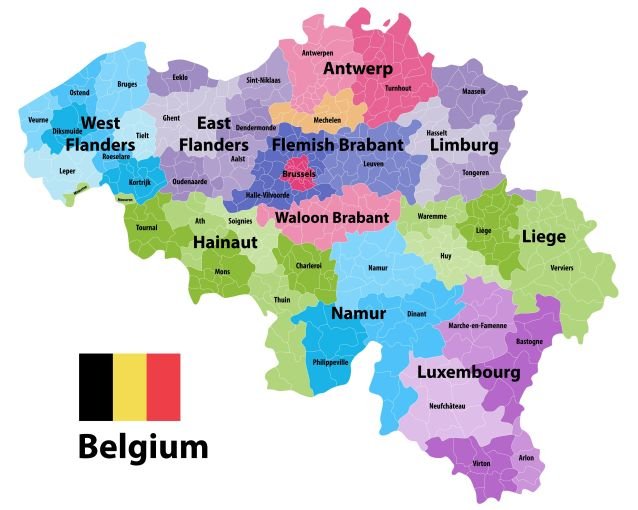
The reform will not be rolled out uniformly across all Belgian regions. A temporary transition arrangement has been introduced in the Wallonia region, where email submissions will continue to be accepted until August 31, 2026. No similar grace period has been confirmed for Flanders or the Brussels-Capital Region. Employers operating in those jurisdictions are therefore expected to comply fully with the digital system by the May deadline.
The regional variation reflects Belgium’s federal administrative structure, where labour and immigration processes often involve coordination between federal and regional authorities. Nonetheless, once fully implemented, Belgium work permit digitalisation will bring an end to email-based applications nationwide for the affected permit categories.
The reform is part of Belgium’s broader strategy to modernise immigration and labour administration in line with evolving European standards. Across the continent, governments are increasingly embracing digital governance models designed to reduce bureaucratic burdens, improve data management, and deliver faster public services. Belgium’s move signals its intention to remain aligned with these wider European administrative reforms.
Experts note that digitised immigration systems can also strengthen compliance monitoring and improve regulatory oversight of foreign workforce participation. By consolidating submissions within a centralised portal, authorities gain more accurate statistical insight into labour mobility patterns and employer sponsorship activity.
For foreign professionals, particularly those engaged in specialised short-term assignments, Belgium work permit digitalisation may ultimately result in greater predictability and shorter waiting times once the transition period stabilises. Although employers may initially face technical adjustments, digital processing systems typically provide clearer documentation trails and improved communication channels between applicants and authorities.
As the May 2026 enforcement date approaches, businesses that rely on foreign technical expertise are being advised to review internal compliance procedures and ensure that necessary portal access credentials are secured in advance. Early preparation could prove essential in avoiding disruption to time-sensitive projects.
With Belgium work permit digitalisation now confirmed, the policy marks a decisive turning point in the country’s approach to managing temporary foreign labour. It reflects a broader commitment to efficiency, transparency, and administrative modernisation in immigration governance.
The iNews Times will continue to monitor developments surrounding Belgium work permit digitalisation and provide updates for Nigerian professionals, international contractors, and global employers seeking clarity on evolving European immigration procedures.