Meningitis Outbreak in Sokoto Claims 33 Children, 256 Cases Recorded.
Health authorities intensify response as fresh infections spread across eight LGAs.
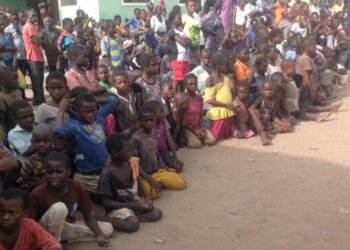
SOKOTO, NIGERIA – The iNews Times | Meningitis outbreak in Sokoto has claimed the lives of 33 children, with no fewer than 256 suspected cases recorded across eight local government areas in the past month, state health authorities have confirmed.
The alarming resurgence of cerebrospinal meningitis has thrown communities into panic, prompting emergency interventions by the Sokoto State Government https://sokotostate.gov.ng and its health partners as officials race to contain the spread of the deadly disease.
In this report, we examine the key developments, reactions from stakeholders, and the broader implications.
Background of the Story
Cerebrospinal meningitis is a severe infection that inflames the protective membranes covering the brain and spinal cord. The disease spreads rapidly, especially during the dry and hot season, thriving in overcrowded and poorly ventilated environments.
Northern Nigeria, including Sokoto State, lies within Africa’s “meningitis belt,” a region historically prone to recurrent outbreaks. Public health experts have repeatedly warned that seasonal climatic conditions and limited access to early medical care make outbreaks particularly devastating.
The current meningitis outbreak in Sokoto resurfaced about a month ago, according to the state government.
Key Developments
Commissioner for Health, Faruk Abubakar, confirmed the casualty figures during an advocacy meeting with district heads on SARMAAN and MNTE. The meeting was organised by the State Primary Healthcare Development Agency in collaboration with Sightsavers and the Chigari Foundation.
Abubakar disclosed that Sabon Birni recorded the highest number of suspected cases at 63, followed by Wamakko with 60, Shagari with 51, Tambuwal with 33, and Dange Shuni with 26. Kebbe reported 16 cases, while Bodinga, Gada and Kware recorded two, one and two cases respectively.
He noted that most of the 33 children who died succumbed to the illness before reaching health facilities, attributing the fatalities to delayed treatment and widespread misconceptions that meningitis is a spiritual affliction rather than a medical emergency.
Although only about 20 laboratory samples have tested positive, authorities say patients brought to hospitals early have responded well to treatment. No recent deaths have been recorded since intensified interventions began.
However, investigations at the Dogo Daji isolation centre indicate that the outbreak remains active, with fresh cases emerging daily.
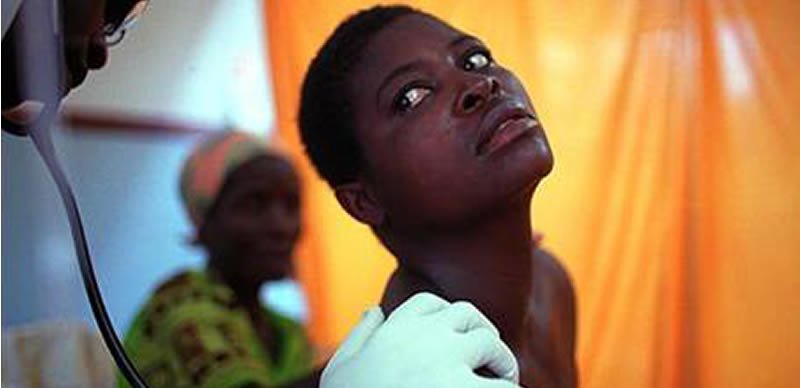
A nurse at the facility revealed that 22 patients are currently on admission, explaining that while recovered patients are discharged regularly, new ones continue to arrive.
“Today alone, two patients were discharged and immediately replaced by two fresh admissions,” the health worker said, adding that rising numbers may necessitate the opening of an additional ward.
Despite robust interventions, the centre recently recorded two additional deaths — a boy under five identified as Amir and another patient, Nura Jabo from Jabo town, who died during referral to Usmanu Danfodiyo University Teaching Hospital after his condition worsened.
Reactions from Stakeholders
The Commissioner for Health stressed that the government, in partnership with Médecins Sans Frontières (Doctors Without Borders), has established isolation centres at General Hospitals in Dogo Daji and Tambuwal, complete with separate wards for male and female patients.
He assured residents that treatment remains completely free, covering medication, meals, and even transportation support upon confirmation of cases.
Health workers on ground praised the level of support, noting the deployment of doctors, nurses, hygiene officers and health promoters to contain the meningitis outbreak in Sokoto.
Meanwhile, the Chief Medical Director of Specialists Hospital, Sokoto, Dr. Attahiru Sokoto, confirmed that his facility previously treated meningitis patients from Badon Barade community in Wamakko LGA.
“All the patients were treated at our isolation centre and have since been discharged. As of today, we have no patient on admission,” he stated.
Authorities have repeatedly urged residents to seek immediate medical attention once symptoms such as sudden fever, severe headache, neck stiffness, vomiting, sensitivity to light, confusion and convulsions appear.
Implications
The meningitis outbreak in Sokoto highlights persistent public health challenges in Nigeria’s northern states, particularly during the dry season.
Experts warn that without rapid diagnosis and urgent antibiotic treatment, meningitis can kill within hours or cause permanent complications including hearing loss, brain damage and paralysis.
Beyond the immediate health crisis, the outbreak exposes deeper systemic issues — from healthcare access gaps to lingering cultural misconceptions that delay life-saving treatment.
It also places renewed pressure on state health budgets and emergency response systems at a time when economic constraints are already stretching public resources.
What Happens Next
Health authorities say surveillance has been intensified across affected communities, with district heads and traditional leaders mobilised to support awareness campaigns.
Vaccination drives, public enlightenment initiatives and strengthened referral systems are expected to form the next phase of the state’s containment strategy.
Medical officials insist that early presentation at healthcare facilities remains the most effective tool in reducing fatalities linked to the meningitis outbreak in Sokoto.
Conclusion
As the death toll stands at 33 children, the meningitis outbreak in Sokoto serves as a sobering reminder of the deadly speed at which infectious diseases can spread when early intervention is delayed.
While government interventions appear to be yielding results, sustained vigilance, community cooperation and prompt medical response will determine whether the state can prevent further tragic losses in the weeks ahead.
For continuing updates on public health developments across Nigeria, stay with The iNews Times.