June 12 Honours: Tinubu Recognises Arthur Nwankwo, Faces Fresh Calls to Honour More Democracy Heroes.
Osita Chidoka praises President’s move but urges fuller recognition of overlooked figures in Nigeria’s pro-democracy struggle.
Abuja, Nigeria – The iNews Times | June 12 Honours took centre stage on Nigeria’s Democracy Day as President Bola Ahmed Tinubu’s decision to recognise late pro-democracy icon Arthur Nwankwo sparked renewed conversations about the nation’s collective memory and the unfinished task of honouring those who fought for democratic rule.
The recognition, announced during President Tinubu’s June 12, 2026 Democracy Day address, has been described as a significant step in correcting historical omissions in Nigeria’s democratic journey. Former Minister of Aviation, Osita Chidoka, who has long advocated broader recognition of June 12 heroes, said the move strengthens the republic and reinforces the importance of complete national remembrance.
In this report, we examine the key developments, reactions from stakeholders, and the broader implications.
Background of the Story
The June 12 struggle remains one of the defining moments in Nigeria’s democratic history, following the annulment of the 1993 presidential election believed to have been won by late business mogul and politician Moshood Kashimawo Olawale Abiola.
Over the years, activists, politicians, journalists and civil society leaders across Nigeria sustained pressure on successive military regimes to restore democracy. While the South-West often remains the focal point of June 12 narratives, figures from other regions played critical roles in expanding the movement into a truly national cause.
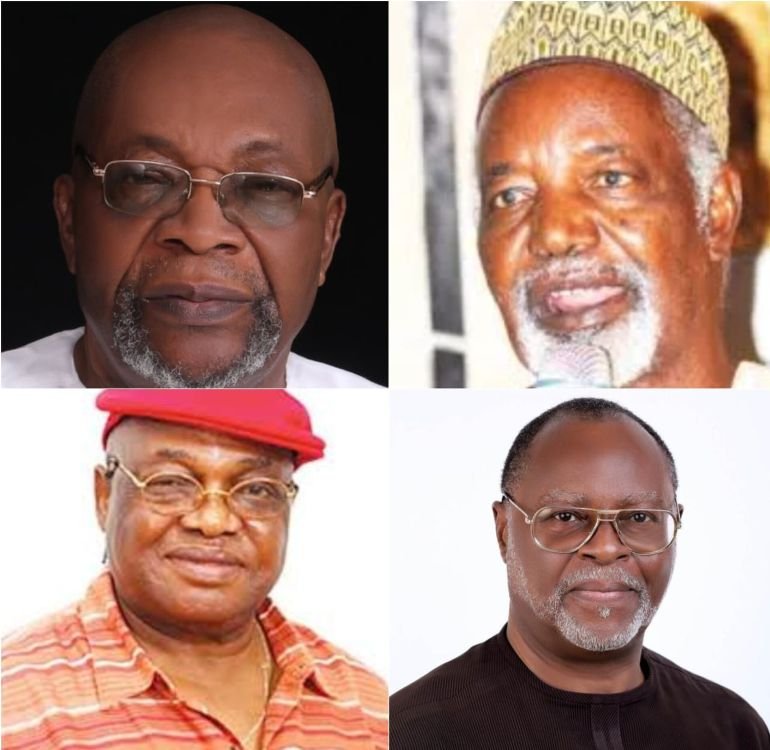
Earlier this year, Chidoka had highlighted what he described as the incomplete national memory surrounding the struggle, specifically naming Dr. Arthur Nwankwo, Balarabe Musa, and Dan Suleiman as major contributors whose sacrifices deserved greater recognition.
Key Developments
In his Democracy Day speech, President Bola Ahmed Tinubu formally acknowledged Arthur Nwankwo, Balarabe Musa and Dan Suleiman among Nigeria’s democracy heroes.
The most notable aspect of the June 12 Honours was the posthumous conferment of a national award on Arthur Nwankwo, a move Chidoka described as an important correction in the country’s official democratic record.
Chidoka said the President’s willingness to revisit historical omissions demonstrates political maturity and courage, noting that leadership is strengthened when it listens to compelling public arguments.
He also expressed hope that the full honours list, expected in the coming days, would include Balarabe Musa and Dan Suleiman, who were equally central to the struggle.
The former minister stressed that Nwankwo’s role as Chancellor of the Eastern Mandate Union and Deputy National Chairman of National Democratic Coalition reflected his strategic importance in transforming June 12 into a national democratic cause.
Reactions from Stakeholders
Chidoka commended Tinubu’s latest action, saying it shows “the willingness to listen, reflect and widen the circle of national recognition.”
Political observers say the President’s decision may signal a broader attempt to reshape how Nigeria documents its democratic history.
However, Chidoka also raised concerns over what he called “unfinished recognition,” particularly the omission of Professor Udenta O. Udenta, whom he described as a frontline ideologue of the Eastern Mandate Union.
According to him, Udenta and Arthur Nwankwo endured repeated arrests and detention under the regime of late military ruler Sani Abacha and remained in detention until Abacha’s death in 1998.
Chidoka also called for recognition of Fred Eno, describing him as one of the movement’s most courageous voices after Abiola’s arrest.
He further listed Dr. Edwin Madunagu and Professor G.G. Darah among those whose contributions, though less visible, were vital to sustaining the democratic struggle.
Implications
The renewed debate around June 12 Honours reflects a broader national struggle over memory, justice and historical completeness.
Political analysts say national honours are more than ceremonial, they shape how future generations understand sacrifice, patriotism and democratic resilience.
By expanding recognition beyond the familiar names, Nigeria may strengthen national unity and deepen public understanding of the country’s democratic foundations.
At The iNews Times, analysts note that selective remembrance can create regional distortions in national history, while fuller acknowledgment builds stronger democratic legitimacy.
What Happens Next
Attention now shifts to the full national honours list expected to be released by the presidency in the coming days.
Many observers will be watching closely to see whether figures like Balarabe Musa, Dan Suleiman, Udenta, Fred Eno and others are formally included.
If that happens, it could mark one of the most comprehensive efforts yet to officially document Nigeria’s June 12 struggle.
Conclusion
The June 12 Honours announced by President Tinubu may have opened a new chapter in Nigeria’s democratic remembrance, but the work of historical justice remains unfinished.
As calls grow for wider recognition of forgotten heroes, the nation faces an important choice: preserve selective memory or embrace the full story of those who risked everything for democracy. In that choice lies the strength of Nigeria’s future.