Kenya Foreign Workers Regularisation: 90-Day Window Announced After Ruto Order Sparks Alarm.
Nairobi authorities walk back hardline stance on immigrant traders while insisting permits and licences must be secured before enforcement tightens.
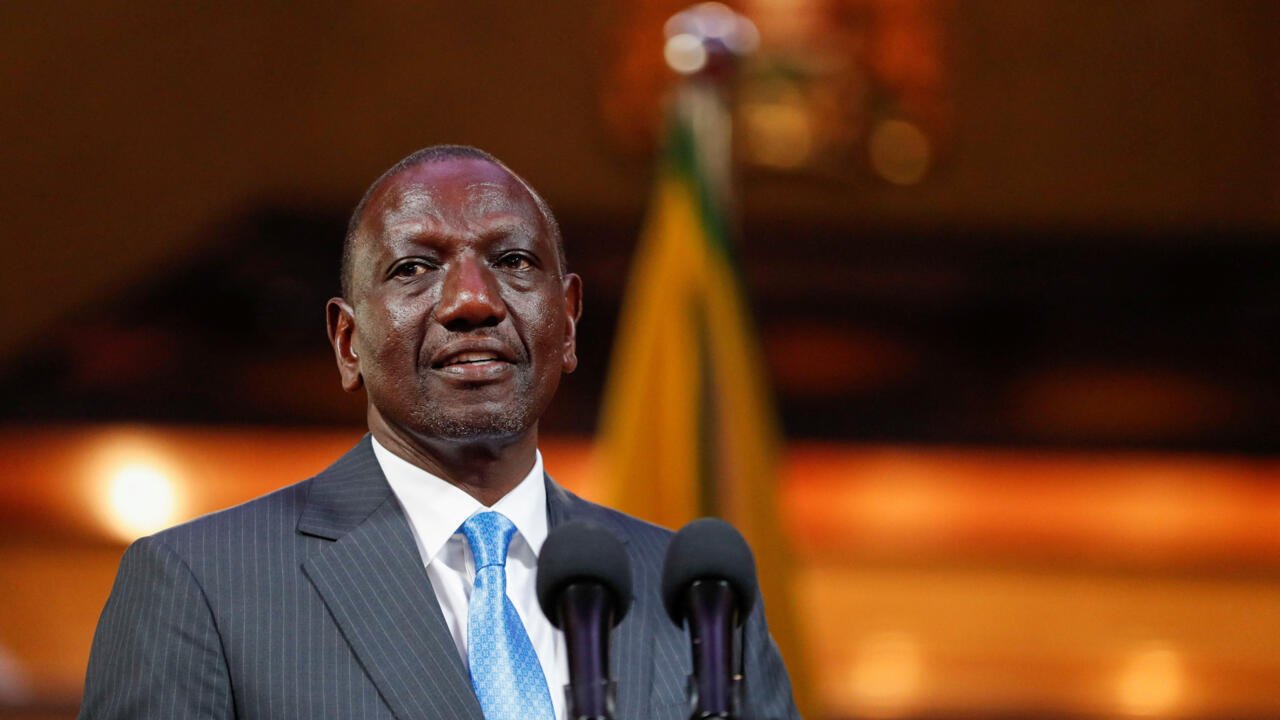
NAIROBI, KENYA — The iNews Times | Kenya foreign workers regularisation has entered a new phase after the government announced a 90-day window for migrants to formalise their status, seeking to calm fears ignited by President William Ruto’s recent order targeting foreign-owned small businesses and street vendors.
The directive, which initially required non-Kenyan hawkers and shop operators to cease activity by Monday, triggered widespread anxiety among East African Community (EAC) https://www.eac.int nationals living and working in the country. Officials now say the focus is orderly registration rather than immediate expulsion or forced closure.
In this report, we examine the key developments, reactions from stakeholders, and the broader implications.
Background of the Story.
Kenya remains a major destination for workers from across the EAC, a regional bloc that includes free movement provisions for citizens of member states. Burundi, Rwanda, Uganda, Tanzania, South Sudan, the Democratic Republic of Congo and others send significant numbers of people seeking economic opportunity in Nairobi and other Kenyan cities.
Work permits for EAC citizens are officially free, yet many migrants have operated informal businesses for years without completing the registration process. President Ruto’s remarks last week, in which he declared that foreigners should not dominate hawking or small-scale trading and ordered them to stop by Monday, were widely interpreted as an attempt to court local traders ahead of next year’s elections.
The statement triggered immediate alarm, particularly among Burundian street vendors who form a visible part of Nairobi’s informal economy. Reports of harassment and isolated attacks followed, prompting hundreds of Burundians to gather at their embassy seeking assistance to return home. Fears of xenophobic violence similar to recent episodes in South Africa spread quickly through migrant communities.
Key Developments
On Tuesday the president’s office issued a clarifying statement announcing that Kenya foreign workers regularisation would proceed as an “orderly” exercise lasting 90 days. Migrants must obtain the correct work permits and business licences during this period.
At the end of the 90 days, immigration rules will be “enforced firmly and strictly in accordance with the law,” the statement warned. The government insisted its intention was never to drive out legitimate operators but to ensure no one runs a business illegally.
The shift marks a clear retreat from the earlier hard deadline. Junior foreign minister Korir Sing’Oei publicly addressed the tension on Monday, acknowledging that “many have been attacked by their neighbours and their friends” because of a “lack of understanding.” He stressed that the administration’s goal is simply to know where people live, confirm they hold proper identification, and ensure their jobs are registered.
Reactions from Stakeholders
Burundian community representatives in Nairobi described the initial order as deeply unsettling. One community leader, who asked not to be named for security reasons, told The iNews Times that many families packed bags overnight and considered leaving, convinced they were no longer welcome.
Kenyan trader associations offered mixed responses. Some welcomed the focus on formalising the sector, arguing that unregistered foreign competitors undercut local livelihoods. Others expressed concern that the episode had already damaged Kenya’s reputation as a regional host.
Diplomatic sources indicated that the Burundian government sought urgent clarifications, while EAC observers privately noted that free-movement principles risk being undermined when national politics intervene.
Implications
The episode carries political, economic and social weight. With general elections approaching, the government’s initial rhetoric appeared calibrated to mobilise support among urban Kenyan hawkers and small-business owners. The subsequent climbdown suggests officials recognised the risk of diplomatic fallout and potential violence.
Economically, informal cross-border traders contribute to urban markets and supply chains. Sudden disruption could raise prices for ordinary consumers and reduce the vibrancy of Nairobi’s street economy. Socially, the incidents of harassment have exposed latent tensions that could escalate if regularisation is handled heavy-handedly.
Regionally, Kenya’s handling of the matter will be watched closely by other EAC capitals. Any perception that free-movement commitments are secondary to domestic political calculations could strain the bloc’s integration agenda.
What Happens Next
Over the coming three months, immigration and county authorities are expected to roll out registration centres and public information campaigns. Migrants who comply are likely to receive documentation allowing them to continue operating. Those who do not face the prospect of enforcement actions once the deadline expires.
The government has not yet detailed the exact process or capacity of the exercise. Success will depend on clear communication, accessible procedures and restraint by security agencies. Failure to manage the period carefully could reignite the very panic the 90-day window was designed to defuse.
Conclusion
Kenya foreign workers regularisation now stands as a test of the Ruto administration’s ability to balance domestic political pressures with regional obligations and social stability. The 90-day window offers a chance to replace fear with orderly compliance. How Nairobi manages the process will shape both migrant confidence and Kenya’s standing as East Africa’s economic hub. The iNews Times will continue to monitor developments as the deadline approaches.