Nigeria economic stability benefits will soon reach households and businesses, CBN assures.
Central bank and fiscal authorities push coordinated reforms as Nigerians await relief from high living costs.
ABUJA, NIGERIA — The iNews Times | Nigeria economic stability benefits are on the brink of reaching ordinary households and businesses, the Central Bank of Nigeria https://www.cbn.gov.ng has assured, as improving macroeconomic indicators begin to translate into tangible gains through tighter collaboration with fiscal authorities.
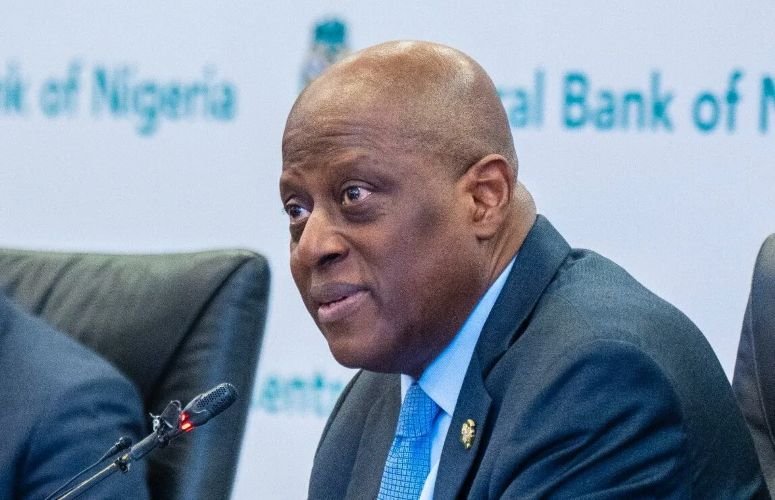
Speaking at the 19th Annual Banking and Finance Conference of the Chartered Institute of Bankers of Nigeria in Abuja on Tuesday, CBN Governor Olayemi Cardoso, represented by Deputy Governor for Economic Policy Philip Ikeazor, acknowledged public frustration that stronger numbers on growth, inflation and reserves have yet to ease daily pressures for many citizens.
In this report, we examine the key developments, reactions from stakeholders, and the broader implications.
Background of the Story
Nigeria has pursued a series of far-reaching economic reforms since 2023 under President Bola Tinubu, including the removal of fuel subsidies, exchange-rate unification and tighter monetary policy. These measures produced short-term hardship in the form of elevated living costs, higher financing expenses and strained household budgets.
Over time, official data have shown signs of stabilisation. Inflation has begun to ease, external reserves have strengthened and gross domestic product expanded by 4.43 per cent year-on-year in the second quarter of 2026. Yet the gap between these headline improvements and the lived experience of millions of Nigerians has remained a central public concern.
The CBN has repeatedly stressed that lasting relief depends on sustained coordination between monetary and fiscal policy, an approach officials now describe as unprecedented in recent years.
Key Developments
At the CIBN conference, Ikeazor delivered a clear message that Nigeria economic stability benefits would soon filter through to the micro level. He noted that every serious observer of the economy now recognises the current macroeconomic stability, but the critical question remains when the common man will feel the full impact.
“That is on its way because of this same collaboration that I’m talking about,” he said.
Ikeazor pointed to fiscal-side reforms, including the National Single Window initiative, that are expected to start producing visible results in the near term. Combined with the monetary measures already in place, these steps are designed to deliver concrete improvements in living standards and business conditions.
He credited President Tinubu with giving the central bank the space to concentrate on its core mandate while working alongside other stakeholders. The assurance comes against a backdrop of continued pressure on families and firms still grappling with the cumulative effects of the 2023 reform package.
Reactions from Stakeholders
President Tinubu, represented by Finance Minister and Coordinating Minister of the Economy Taiwo Oyedele, struck a similar note. “Stability has returned. Credibility is rising. Prosperity is coming,” he told the gathering.
He cautioned against equating stability with prosperity. “These improvements matter, but we must not mistake macroeconomic stability for economic prosperity. Stability is the foundation. Prosperity is the destination.”
The next phase of reform, Tinubu said, must convert stability into investment, production, jobs and better living standards, with the banking sector expected to play a central role in financing the real economy.
CIBN President and Chairman of Council Dr Dele Alabi agreed that significant milestones have been achieved at the macro level but stressed that the journey is incomplete. “It is imperative for the gains made in terms of macroeconomic fundamentals to be cascaded to the micro level-the households, the individuals and businesses.”
He highlighted the particular difficulties still facing micro, small and medium-sized enterprises, which continue to battle high operating costs, infrastructure gaps and limited access to affordable credit.
Oliver Alawuba, Chairman of the Body of Bank CEOs and Group Managing Director of United Bank for Africa, described recent indicators as encouraging signposts rather than the final destination. He cited the 4.43 per cent GDP growth, easing inflation and stronger reserves, yet insisted that deeper fiscal-monetary coordination remains essential.
Recapitalised banks, he argued, must now convert stronger balance sheets into affordable credit for agriculture, manufacturing, infrastructure, exports and the MSME sector.
The World Bank offered a parallel assessment. Country Director Mathew Verghis, represented by Senior Private Sector Specialist Bertine Kamphuis, described Nigeria’s reform gains as real but identified job creation as the next critical test. Domestic credit to the private sector stands at only about 13 per cent of GDP, while MSMEs receive roughly one per cent of total credit despite their outsized role in employment. Stability, the Bank said, must become a platform for directing capital toward productive enterprises capable of expanding and hiring.
Implications
The coordinated messaging from the CBN, the presidency, bankers and the World Bank underscores a shared recognition that macroeconomic progress alone will not satisfy public expectations. Political credibility hinges on whether stability can be converted into lower living costs, more jobs and stronger business balance sheets before the next electoral cycle.
Economically, the low level of credit reaching productive sectors remains a structural constraint. If banks fail to channel more affordable financing to MSMEs and real-economy activities, the recovery risks remaining uneven and job-light. Socially, continued pressure on household budgets could erode support for further reforms even as official indicators improve.
For The iNews Times readers tracking the reform trajectory, the conference marked a rare moment of alignment among key institutions on both the achievements recorded and the unfinished work ahead.
What Happens Next
Attention now turns to the practical delivery of fiscal reforms such as the National Single Window and to the banking industry’s willingness to expand credit to underserved sectors. Policymakers are expected to maintain the current level of monetary-fiscal coordination while monitoring inflation, reserves and growth data for further confirmation of the stabilisation trend.
Job creation and measurable improvements in household purchasing power will serve as the clearest tests of whether the promised benefits materialise. Stakeholders at the conference left little doubt that the coming months will determine whether stability remains an abstract achievement or becomes a lived reality for ordinary Nigerians.
Conclusion
Nigeria economic stability benefits are being actively positioned as the next phase of the reform journey rather than a distant aspiration. The assurances from the CBN, the presidency and leading private-sector voices signal that coordination is intensifying and that results at the household level are expected sooner rather than later. Whether that timeline holds will shape both economic outcomes and public confidence in the months ahead. The iNews Times will continue to track how these commitments translate into everyday relief for Nigerian families and businesses.