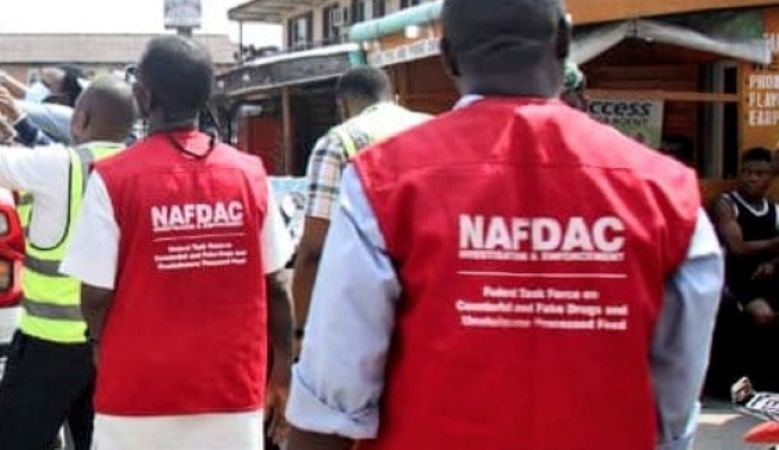
…under the NAFDAC Launch, the task force will operate as a federal enforcement arm.
KANO, Nigeria — The iNews Times reports that the NAFDAC Launch of a new enforcement task force marks a decisive escalation in the fight against fake drugs and unsafe food products circulating across Kano State and beyond.
The National Agency for Food and Drug Administration and Control (NAFDAC) on Tuesday inaugurated a seven-member task force designed to dismantle networks involved in the manufacture, importation, and distribution of counterfeit pharmaceuticals and unwholesome consumables. The development signals a renewed federal commitment to protecting public health and restoring confidence in Nigeria’s regulatory system.
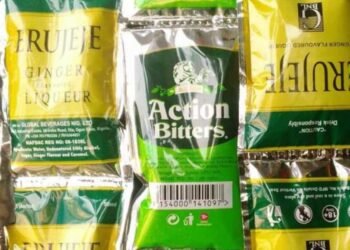
The NAFDAC Launch comes amid growing concerns over the widespread availability of substandard medicines and adulterated food products in major commercial hubs. Kano, as one of Nigeria’s largest trading centres and a gateway to West African markets, has long been identified as vulnerable to counterfeit product infiltration.
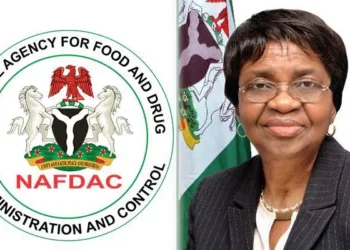
Director-General of NAFDAC, Professor Mojisola Adeyeye, described the initiative as a strategic intervention aimed at strengthening enforcement against regulated products that fail to meet national standards. Represented by the NAFDAC Director, North-West Zone, Kaduna, Fraden Nantim-Mullah, she warned that counterfeit drugs and unsafe foods pose grave public health threats.
According to her, fake pharmaceuticals can lead to treatment failure, drug resistance, prolonged illness, and preventable deaths. Unsafe food products, meanwhile, increase the risk of food poisoning outbreaks and long-term health complications.
“Kano’s status as a major commercial hub makes it vulnerable to the manufacture, importation, and distribution of substandard and falsified products across local and regional markets,” she stated.
Under the NAFDAC Launch, the task force will operate as a federal enforcement arm under the agency’s Investigation and Enforcement Directorate. Its responsibilities include intelligence gathering, surveillance operations, coordinated market raids, seizure of illegal goods, arrest and prosecution of offenders, and public sensitisation campaigns.
The committee is empowered to seal premises found to be violating regulatory laws and ensure that offenders are prosecuted in line with existing national regulations.
Experts note that effective enforcement requires not just raids and seizures but sustained monitoring and swift prosecution to deter repeat offenders. The success of the NAFDAC Launch will therefore depend heavily on transparency, inter-agency cooperation, and public support.
Also speaking at the inauguration, Kano State Secretary to the Government, Umar Ibrahim, highlighted the urgent need for intervention, citing rising drug abuse cases and the circulation of counterfeit products across the state.
He observed that youths account for more than 70 percent of Kano’s population, making the state particularly vulnerable to the consequences of fake drugs and substance abuse. Reports of families seeking rehabilitation support for affected children underscore the seriousness of the crisis.
“Recent reports of families seeking rehabilitation for their children reflect the urgent need to disrupt supply chains of fake drugs and unwholesome products across the state,” Ibrahim said.
Analysts believe the NAFDAC Launch could significantly reduce the availability of dangerous products if enforcement actions are sustained and insulated from interference.
The task force is chaired by Kamilu Mudi-Salisu, Director of Pharmaceutical Services at the Kano State Ministry of Health, while Kasim Ibrahim, Coordinator of the NAFDAC Kano Office, serves as secretary.
In his remarks, Mudi-Salisu pledged that the committee would carry out its mandate with integrity and professionalism. He urged residents to report suspicious activities in their communities, stressing that public cooperation is essential to the success of the initiative.
Community engagement, experts say, remains a critical pillar in tackling counterfeit operations, which often thrive in secrecy and informal distribution networks.
The NAFDAC Launch represents more than a local enforcement measure. Counterfeit medicines and unsafe foods undermine Nigeria’s healthcare system, discourage foreign investment, and threaten economic stability.
By targeting supply chains at their roots in key commercial centres like Kano, authorities aim to curb the regional spread of substandard goods. The initiative also reinforces Nigeria’s commitment to meeting global standards in pharmaceutical and food regulation.
As enforcement operations commence, stakeholders across the health and commercial sectors will be watching closely to assess the impact of the NAFDAC Launch on market compliance and consumer safety.
The iNews Times will continue to track developments surrounding the task force’s activities, arrests, prosecutions, and measurable outcomes in the fight against counterfeit and unsafe products.