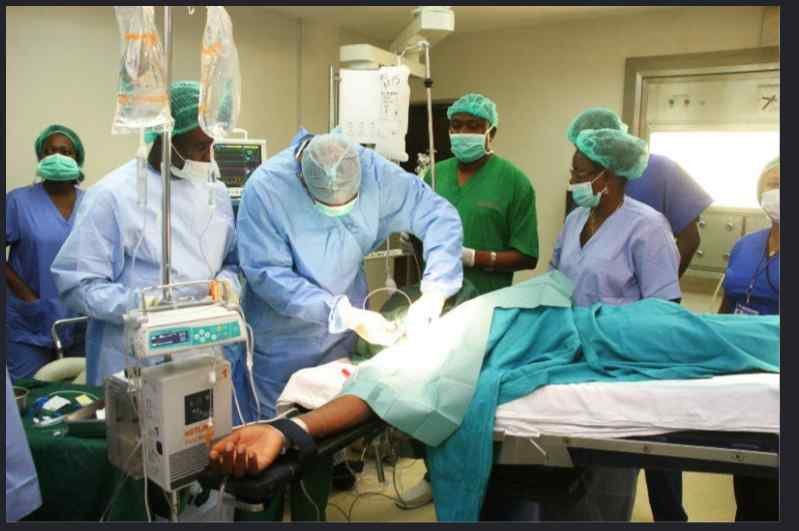
…experts have also raised concerns about the economic impact, revealing that Nigeria loses an estimated $1.3 billion annually to medical tourism.
ONDO, NIGERIA- The iNews Times| For years, Nigerians have voiced frustration over the growing trend of public officials seeking medical care abroad, even for treatable conditions, rather than investing in and strengthening the country’s healthcare system.
The practice, common among politicians, top government officials, and wealthy individuals, is often funded with public resources, sparking outrage among citizens who argue that such funds should be used to improve local medical facilities for the benefit of all.
Critics say those in power have failed to fix the health sector despite having the authority and resources to do so. Ironically, many of the foreign hospitals patronised by Nigerian elites are staffed by Nigerian medical professionals who left the country in search of better opportunities.
The issue gained renewed attention following the death of former President Muhammadu Buhari in London during a medical trip, with the Federal Government reportedly covering all associated costs. Many Nigerians argue that such expenses could have been avoided if the country’s healthcare system had been adequately developed during his administration.
Health experts have also raised concerns about the economic impact, revealing that Nigeria loses an estimated $1.3 billion annually to medical tourism. This figure was highlighted at a recent public health event hosted by the University of Medical Sciences Ondo, where stakeholders discussed the urgent need to strengthen the nation’s health system.
According to experts, systemic challenges such as poor funding, frequent strikes, and inadequate infrastructure continue to weaken the healthcare sector. The World Health Organization has also linked these weaknesses to broader economic losses and reduced system resilience.
Stakeholders at the event emphasised solutions including improved remuneration for health workers, sustainable financing, better emergency preparedness, and stronger workforce planning to address the ongoing crisis.
Public affairs analyst James Osewele described the situation as “shameful,” calling for a ban on public officials seeking medical treatment abroad. He argued that such a policy would compel leaders to invest in the local health sector.
Medical professionals echoed similar concerns, pointing to poor working conditions and low pay as major drivers of the ongoing brain drain. A Lagos-based doctor noted that many practitioners leave the country for better opportunities, while a nurse lamented the decline of Nigeria’s once-thriving healthcare system.
As calls for reform grow louder, many Nigerians insist that meaningful investment and accountability are essential to reversing the trend and restoring confidence in the nation’s healthcare system.