Nigeria Security Fight: FG Urges Media to Support Counterterrorism Efforts.
Government says responsible journalism is critical in tackling terrorism, banditry, and misinformation amid worsening insecurity.
ABUJA, NIGERIA – The iNews Times | The Nigeria security fight took centre stage on Thursday as the Federal Government called on the media to strengthen collaboration with security agencies in the battle against terrorism, banditry, and other rising security threats across the country.
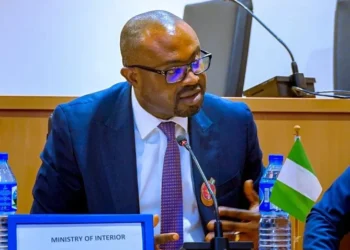
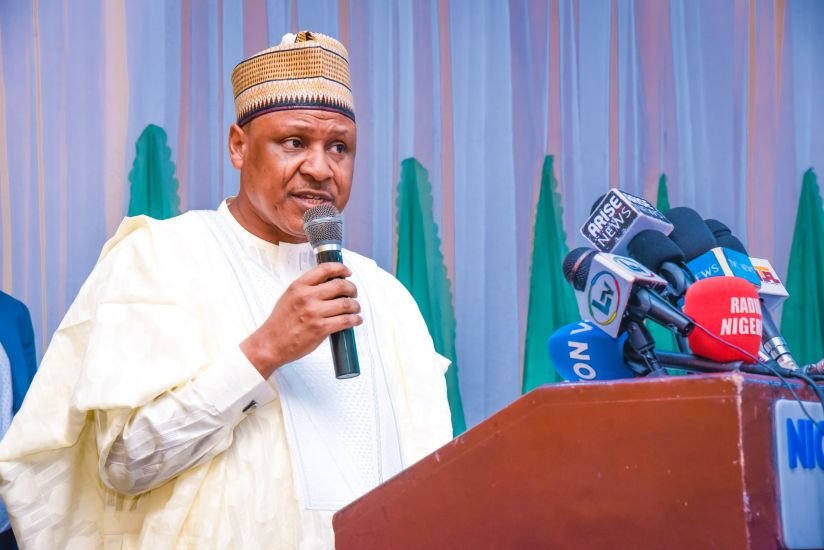
Top government officials, including the Minister of Information and National Orientation, Mohammed Idris, and the National Security Adviser, Nuhu Ribadu, stressed that the media must see itself as an active partner in safeguarding national security rather than a distant observer.
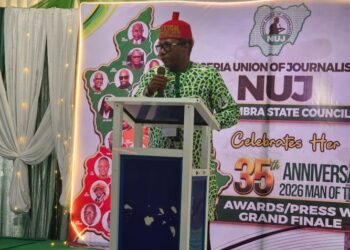
The call was made during the Nigeria Union of Journalists (NUJ) https://nuj.ng Security Summit, held against the backdrop of renewed attacks, killings, and growing public anxiety over insecurity in different parts of the country.
In this report, The iNews Times examines the key developments, stakeholder reactions, and the broader implications.
Background of the Story
Nigeria has faced prolonged security challenges in recent years, ranging from terrorism in the North-East to banditry in the North-West, communal clashes in the Middle Belt, and kidnapping for ransom in the South.
These threats have continued to place pressure on security agencies while also exposing weaknesses in intelligence gathering, public communication, and crisis response.
Amid these challenges, the role of the media has become increasingly important in shaping public understanding of security issues.
However, concerns over fake news, misinformation, and sensational reporting have often complicated efforts to maintain public trust and support security operations.
This latest conversation on the Nigeria security fight reflects growing recognition that media engagement is now central to national security management.
Key Developments
Speaking at the summit, Mohammed Idris said the relationship between the media and security agencies must be built on trust, professionalism, and mutual respect.
He noted that journalists and security agencies play complementary roles in nation-building and that both must work together to strengthen public confidence.
According to him, national security cannot thrive in an atmosphere where false information is circulated without proper verification.
He urged media practitioners to remain committed to ethical journalism, especially when reporting on sensitive security matters.
“The relationship between the media and security agencies must be founded on mutual respect, professionalism, trust, and an appreciation of their complementary roles,” Idris said.
He warned that amplifying unverified information could worsen tensions and undermine ongoing efforts to combat insecurity.
Representing the NSA, Chido Onumah echoed similar concerns, stressing that while the media has the constitutional duty to inform the public, there must be a structured channel for information sharing that balances transparency with operational secrecy.
He said better communication between security agencies and journalists would improve public trust and strengthen national resilience.
Reactions from Stakeholders
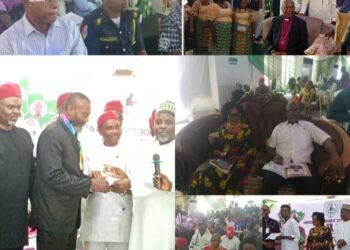
NUJ President, Alhassan Yahaya Abdullahi, alongside security chiefs and media stakeholders, also spoke at the summit on the theme, “Media and Security Agencies as Partners in Nation Building.”
Participants highlighted the urgent need for stronger synergy between journalists and law enforcement agencies.
Some media professionals argued that access to credible and timely information remains a challenge, often forcing journalists to rely on unofficial sources.
Security experts at the summit also stressed that better transparency from government agencies would reduce speculation and improve reporting accuracy.
Implications
The discussions around the Nigeria security fight point to a deeper challenge beyond armed conflict, the battle for information control and public perception.
Experts say in an era where social media can spread falsehoods rapidly, the media’s responsibility in conflict reporting has become even more critical.
A stronger partnership between journalists and security agencies could improve crisis communication, reduce panic, and enhance intelligence-sharing through public cooperation.
At the same time, concerns remain over balancing press freedom with national security interests.
What Happens Next
Stakeholders expect the summit’s resolutions to shape future communication frameworks between the government, security institutions, and the media.
There are also calls for more regular security briefings and training programmes for journalists covering conflict and terrorism.
For the government, improving transparency may become essential in building public confidence.
For the media, the challenge will be maintaining ethical standards while continuing to hold institutions accountable.
Conclusion
As Nigeria battles a resurgence of insecurity, the Federal Government’s appeal for media partnership underscores the strategic role journalism now plays in national security.
Beyond reporting events, the media has become a frontline actor in shaping narratives, exposing threats, and guiding public understanding.
For Nigeria’s fight against terrorism and banditry to succeed, trust, truth, and collaboration may prove just as important as military action.
For more in-depth national security and governance reports, stay with The iNews Times.