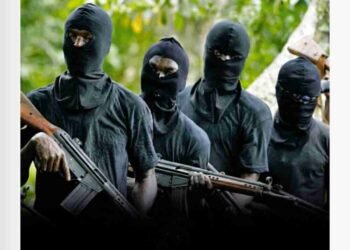
Man Narrates How Gunmen Killed Sister in Latest Plateau Massacre.
Bandits Storm Primary Health Centre in Bokkos, Leaving Families Devastated and Raising Fresh Questions on Security Failures.
BOKKOS, PLATEAU STATE – The iNews Times | In the latest Plateau massacre that has shocked the nation, a grieving brother has narrated the harrowing moment suspected Fulani bandits stormed a Primary Health Centre and killed his pregnant younger sister inside the labour room. The brutal attack on Kawel village in Mushere Chiefdom, Bokkos Local Government Area, on Sunday, June 21, 2026, claimed multiple lives, including patients and health workers, highlighting the escalating insecurity in Plateau State.
This tragic incident, which occurred as the community prepared for the arrival of a new baby, has once again thrust the persistent challenge of banditry and communal violence in Nigeria’s Middle Belt into the national spotlight. The iNews Times gathered that the attackers invaded the health facility without mercy, turning a place of healing into a scene of bloodshed.
In this report, we examine the key developments, reactions from stakeholders, and the broader implications.
Background of the Story
Plateau State has endured years of recurring attacks often linked to farmer-herder clashes, armed banditry, and ethnic tensions. Communities in Bokkos and surrounding areas have repeatedly borne the brunt of these assaults, with gunmen targeting vulnerable spots including markets, farms, and now, even medical facilities. The June 21 incident fits into a troubling pattern that has claimed hundreds of lives and displaced thousands, despite repeated government promises to restore peace.
Key Developments
According to eyewitness accounts, Larai Danjuma, a pregnant woman in labour, was rushed to the Primary Health Centre in Kawel village that fateful night. She was placed in the labour room in preparation for delivery when the gunmen struck. Her elder brother, Daniel Nanle, recounted the painful details during a condolence visit by Plateau State Deputy Governor, Ngo Josephine Piyo, on Thursday.
“My immediate younger sister, Larai Danjuma, was married to Mr. Danjuma Damial. She was taken to the hospital because she was due for delivery. Unfortunately, the attackers came and killed her in the labour room,” Nanle said, his voice heavy with grief. The assailants also killed other patients and health workers present at the facility, leaving the community traumatised.
Reactions from Stakeholders
Nanle made an emotional appeal for urgent intervention: “I am appealing to the state government, the federal government, and security agencies to intervene and prevent further occurrences of such attacks.”
Deputy Governor Ngo Josephine Piyo’s visit underscored the state government’s concern. Such high-level visits often signal attempts to calm tensions and reassure affected communities, though residents continue to demand more concrete security measures.
Implications
The Plateau massacre carries deep political, social, and humanitarian implications. Beyond the immediate loss of lives, including that of an unborn child, the targeting of a health centre signals a dangerous escalation in tactics by criminal elements. It undermines public trust in government’s ability to protect citizens and could further strain already fragile inter-ethnic relations in the region. Economically, repeated attacks disrupt farming activities and access to basic healthcare in rural Plateau, perpetuating cycles of poverty and displacement.
What Happens Next
Security analysts expect intensified military operations and intelligence gathering in the coming weeks. Community leaders and rights groups are likely to push for improved surveillance around health facilities and IDP camps. The federal government may face renewed pressure to deploy more resources to Plateau and address the root causes of banditry, including arms proliferation and youth unemployment.
Conclusion
As families like Daniel Nanle’s mourn loved ones lost in this senseless Plateau massacre, the incident serves as a grim reminder of the urgent need for sustained peacebuilding efforts in Nigeria’s volatile Middle Belt. The iNews Times will continue to monitor developments closely, holding authorities accountable while amplifying the voices of affected communities. Until decisive action is taken, such tragedies risk becoming a tragic norm rather than isolated incidents.