Commissioner Obidike and COOUTH CMD Reject Podcast Allegations of Hospital Decay.
Health Commissioner and hospital leadership open facility to media inspection after online allegations of decay and unhygienic wards.
AWKA, NIGERIA — The iNews Times | Anambra State health authorities have rejected claims of poor conditions at the Chukwuemeka Odumegwu Ojukwu University Teaching Hospital (COOUTH) https://www.coouth.hospital Amaku-Awka, insisting that the viral podcast allegations do not reflect the hospital’s present state. The response followed a guided inspection that allowed journalists and the podcast host to see the facility for themselves.
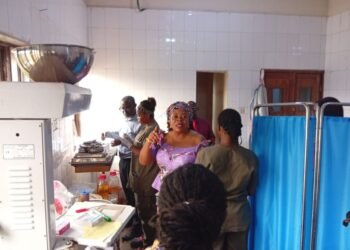
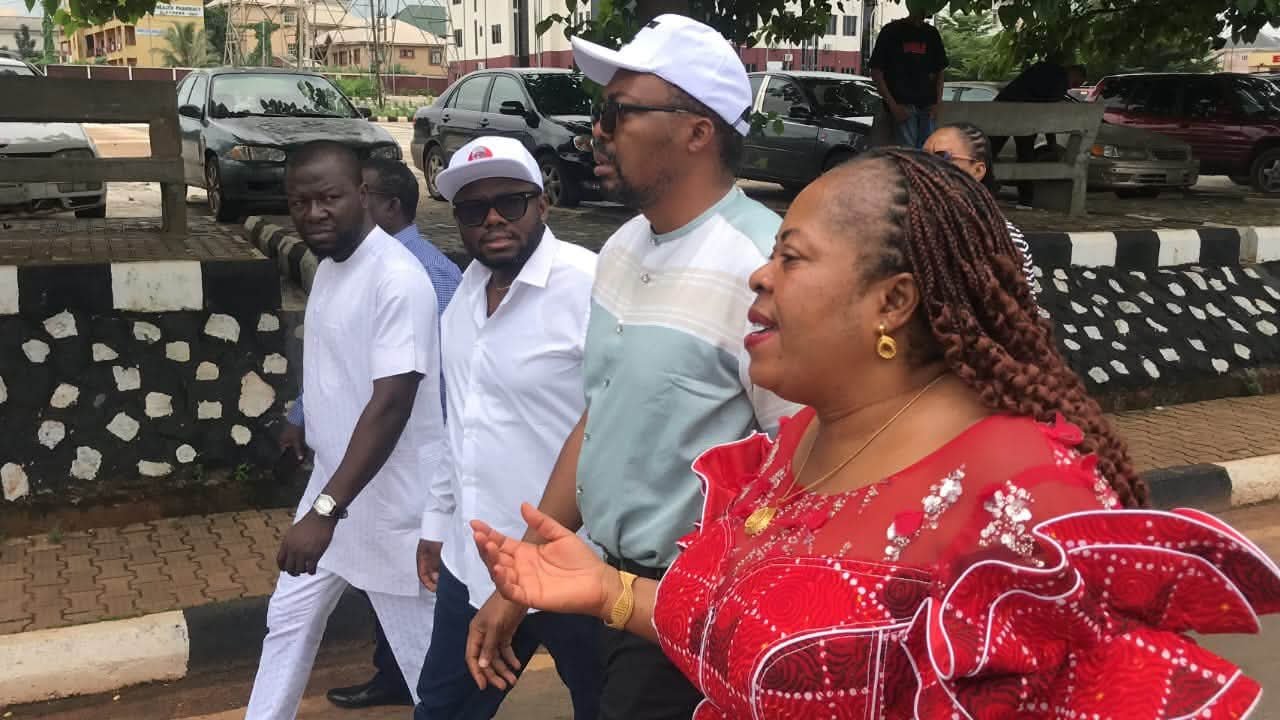
On Friday, the State Commissioner for Health, Dr Afam Obidike, led Chijioke Igwendu, popularly known as Yan Baba, and members of the press through the teaching hospital. The exercise was organised to replace online speculation with direct observation and to demonstrate transparency in the management of a key public health institution.
In this report, we examine the key developments, reactions from stakeholders, and the broader implications.
Background of the Story
Public confidence in tertiary hospitals remains sensitive across Nigeria, particularly where infrastructure and hygiene are concerned. COOUTH serves as a major referral centre for Anambra and neighbouring states. In recent years the Soludo administration has prioritised health-sector renewal, including physical upgrades and improved staff welfare. Against this background, a viral podcast featuring remarks by a former staff member generated rapid online attention by focusing on alleged potholes, gully erosion, unclean wards and inadequate patient care. The speed with which the excerpts spread underscored how selective digital content can shape perceptions of public institutions before verification occurs.
Key Developments
During the inspection, Chief Medical Director Dr Maureen Umeakuewulu stressed that the visit was impromptu and that no special preparations had been made. She guided the team from the entrance through the emergency unit, wards and other departments. According to her account, the hospital showed none of the deterioration claimed in the circulating video. Regular sanitation, grass clearing and fumigation have continued through the rainy season to protect patients and limit mosquito breeding.
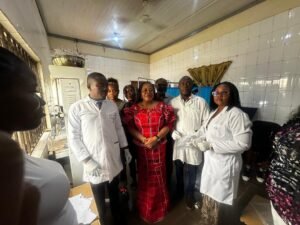
Dr Umeakuewulu listed reforms introduced under her leadership: ongoing digitalisation of hospital records, smart cards with barcode systems, Wi-Fi provision, building renovations, and an electronic revenue collection system designed to eliminate cash handling and strengthen accountability. She also disclosed that the state government has approved medical equipment worth more than N500 million and that accreditation processes for the hospital are progressing. She publicly acknowledged Governor Chukwuma Soludo’s sustained investment and reaffirmed the administration’s goal of turning COOUTH into a centre of excellence.
Reactions from Stakeholders
Dr Charles Kenechukwu Ojukwu, whose earlier comments featured in the podcast, later clarified his position in a message to the Commissioner. He explained that the interview was based largely on his experiences while working at the hospital and the gaps that existed at that time. He acknowledged that Governor Soludo had addressed several of those challenges through renovations after the Governor’s June 2023 visit, improved remuneration for health workers, the Medical Response Team Fund, hazard allowances, and the development of the Trauma Centre.
“The interview lasted while I was around. It bothered on enquiry of my experience working there and gaps needed to cover. I gave the Governor his credits for the Trauma Centre, the MRTF and hazard allowance of medical personnel,” Dr Ojukwu stated. He added that the podcast was intended as a chronological account and that portions in which he commended the administration may not have received equal emphasis in the excerpts that circulated. He clarified that his reference to the lack of an Automated External Defibrillator applied to the Emergency Room, not the Trauma Centre, which he understands has been equipped but not yet commissioned. Assessing the current CMD after less than a year in office, he said, would be unfair.
Commissioner Obidike welcomed the clarifications yet maintained that the hospital’s current condition must be judged by facts on the ground. He said the government would remain focused on improving healthcare delivery rather than engaging in distractions, and he invited Nigerian medical professionals in the diaspora to support the state’s health sector through research, training, telemedicine and other collaborations.
Implications
The episode highlights the tension between rapid online narratives and the slower process of institutional verification. For a teaching hospital, sustained public trust in cleanliness, equipment and professional standards directly affects patient attendance and staff morale. The decision to open the facility immediately to media scrutiny signals an official preference for transparency over defensive silence. At the same time, the clarifying statement from the podcast participant illustrates how incomplete excerpts can create lasting impressions that diverge from the fuller context. Politically, the matter intersects with the Soludo administration’s broader claim of health-sector renewal – an area that continues to shape public evaluation of governance in Anambra.
What Happens Next
Attention will now turn to the commissioning of the Trauma Centre, the installation of the newly approved equipment, and the progress of accreditation. Digital systems already introduced are expected to expand. The Commissioner’s call for diaspora collaboration may open additional technical partnerships. Whether these steps translate into measurable improvements in service quality and patient outcomes will determine how the hospital’s reputation evolves in the months ahead.
Conclusion
By confronting the viral claims with an open inspection and documented reforms, Anambra health officials have sought to replace speculation with evidence visible to independent observers. The episode underscores that the true condition of public institutions is best established on site rather than through selective online fragments. As The iNews Times continues to monitor developments in the state’s health sector, the commitment to transparency and sustained investment at COOUTH will remain a matter of close public interest.