Southeast Manufacturers Crisis Raises Fresh Concerns Over Electricity Supply.
MAN warns that unstable power, high operating costs, and financing challenges are threatening industrial productivity across the Southeast.
AWKA, NIGERIA – The iNews Times | Southeast Manufacturers Crisis concerns took centre stage in Awka as the Manufacturers Association of Nigeria (MAN) https://www.manufacturersnigeria.org Southeast Zone raised fresh alarm over worsening energy costs, unstable electricity supply, and limited access to affordable financing affecting industries across the region.
The concerns were highlighted during a high-level stakeholders’ conversation focused on electricity regulation, billing transparency, and industrial productivity, where business leaders and energy sector stakeholders examined the growing challenges confronting manufacturers in the Southeast and Nigeria at large.
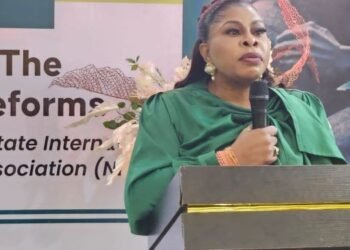
Speaking at the event, the Southeast Chairman of MAN, Ada Chukwudozie, stressed that manufacturers urgently require a more transparent, stable, and accountable electricity system to survive mounting economic pressures.
In this report, we examine the key developments, reactions from stakeholders, and the broader implications.
Background of the Story
Nigeria’s manufacturing sector has continued to battle multiple economic pressures in recent years, including inflation, currency volatility, rising production costs, and unstable electricity supply.
For industries operating in the Southeast, energy challenges have become particularly severe as businesses increasingly rely on alternative power sources such as diesel generators to sustain production activities.
Analysts say the rising cost of energy has significantly reduced manufacturing competitiveness, weakened investor confidence, and forced many companies to scale down operations or cut jobs.
The ongoing reforms within Nigeria’s electricity sector, particularly following the decentralisation of power regulation under the Electricity Act, have also shifted greater responsibilities to state regulatory bodies and private electricity operators.
Against this backdrop, the Southeast Manufacturers Crisis has intensified concerns over whether current reforms can deliver meaningful improvements in power supply and industrial growth across the region.
Key Developments
Addressing stakeholders during the meeting, Ada Chukwudozie said manufacturers need clearer understanding of electricity supply obligations, billing systems, consumer protections, dispute resolution procedures, and regulatory safeguards within the evolving power sector.
According to her, the Southeast Manufacturers Crisis cannot be effectively addressed without stronger collaboration between regulators, electricity providers, government institutions, and industrial operators.
“The stakeholders’ conversation is deliberately designed around critical thematic areas including electricity reforms and service delivery, billing transparency, industrial productivity, regulatory safeguards, investment and infrastructure, public-private collaboration, consumer protection, and the future outlook of electricity development in the Southeast,” she said.
“At MAN Southeast, we strongly believe that sustainable reforms can only thrive where there is transparency, accountability, stakeholder engagement, regulatory responsiveness and continuous dialogue,” she added.
Chukwudozie, who also serves as Group Executive Director of the Dozzy Group and Chairman of Keystone Bank, commended the support provided by relevant stakeholders and regulatory agencies involved in organising the engagement.
She specifically acknowledged ongoing efforts by FirstPower, ASERC, EERC, and MainPower toward improving electricity administration and oversight in Anambra and Enugu States, although she maintained that more work remains necessary to stabilise the sector.
The MAN chairman also praised the Managing Director of FirstPower, Okechukwu Okafor, for participating in the dialogue, describing his presence as evidence of commitment to the growth and reform of the electricity industry.
Former Chairman of the Nigerian Electricity Regulatory Commission, Sam Amadi, also provided historical insight into Nigeria’s electricity sector and the implications of decentralising power regulation under the Electricity Act.
Amadi commended electricity regulatory commissions in Anambra and Enugu States for what he described as proactive leadership capable of transforming the Southeast into one of Nigeria’s most effective electricity markets if reforms are sustained.
Reactions from Stakeholders
Industry stakeholders at the meeting expressed growing concern that the Southeast Manufacturers Crisis could worsen if urgent interventions are not implemented to improve electricity reliability and reduce operating costs.
Some business operators argued that unstable electricity remains one of the biggest obstacles to industrial expansion, particularly for small and medium-scale manufacturers already struggling with inflation and declining consumer spending.
Energy analysts also stressed the need for stronger billing transparency and regulatory consistency to improve trust between electricity providers and consumers.
Several participants at the event urged policymakers to prioritise industrial electricity access as part of broader economic recovery efforts aimed at stimulating production and employment.
Implications
The Southeast Manufacturers Crisis carries significant implications for industrial productivity, investment attraction, job creation, and economic growth within the region.
Experts warn that persistent electricity instability and rising operational costs could further weaken Nigeria’s manufacturing competitiveness and increase dependence on imported goods.
The situation may also discourage local and foreign investors seeking predictable business environments with reliable infrastructure and lower production risks.
Analysts believe sustained electricity reforms, improved regulatory oversight, and stronger public-private collaboration could help reposition the Southeast as a major industrial hub if effectively implemented.
What Happens Next
Stakeholders are expected to continue engagements on electricity reforms, regulatory transparency, and industrial support mechanisms aimed at improving the operating environment for manufacturers.
Electricity regulators and power distribution operators within the Southeast may also face increased pressure to improve service delivery, address billing concerns, and strengthen consumer confidence.
Industry groups meanwhile are likely to intensify advocacy for policy interventions capable of reducing energy costs and supporting industrial growth across the region.
Conclusion
The growing Southeast Manufacturers Crisis underscores the urgent need for sustainable electricity reforms, stronger infrastructure investment, and transparent regulatory systems capable of supporting industrial productivity.
As manufacturers continue battling rising energy costs and unstable power supply, stakeholders insist that meaningful collaboration between government, regulators, and private sector operators will remain essential to securing long-term economic growth and industrial stability in the Southeast.