…Strait of Hormuz reopens not as a permanent resolution, but as a ceasefire-linked measure.
TEHRAN, IRAN — The iNews Times reports that the Strait of Hormuz reopens to commercial shipping following a ceasefire agreement linked to rising tensions in the Middle East, a move that has already triggered sharp reactions across global oil markets.
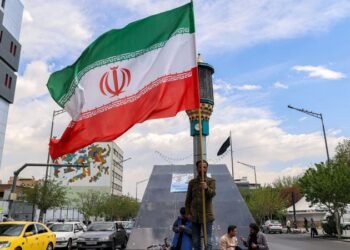
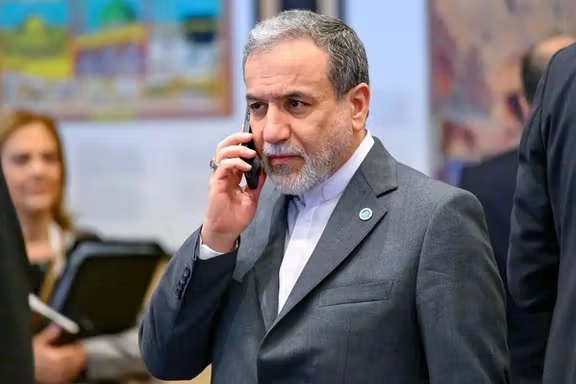
Iran’s Foreign Minister, Seyed Abbas Araghchi, announced that the vital maritime corridor is now fully accessible to commercial vessels for the remaining duration of the ceasefire. The Strait of Hormuz reopens under coordinated maritime guidelines set by Iranian authorities, signaling a temporary de-escalation in a region long regarded as one of the world’s most sensitive energy chokepoints.
“The passage for all commercial vessels through Strait of Hormuz is declared completely open for the remaining period of ceasefire,” Araghchi said, adding that ships must adhere strictly to a coordinated route approved by Iran’s maritime regulators.
The Strait of Hormuz reopens at a time when global markets have been rattled by fears of disruption to oil supply. The narrow waterway, located between Iran and Oman, connects the Persian Gulf to the Gulf of Oman and the Arabian Sea. It is widely regarded as one of the most strategically important shipping lanes in the world.
Energy analysts estimate that roughly one-fifth of global petroleum liquids consumption passes through the Strait daily. Any threat to its accessibility can instantly send oil prices soaring and destabilize financial markets.
Over recent weeks, heightened military tensions and near-total restrictions around the strait had fueled fears of prolonged disruption. The reopening therefore represents a significant geopolitical development.
The announcement that the Strait of Hormuz reopens follows a 10-day ceasefire agreement between Israel and Lebanon, which began Thursday evening. The truce is seen as part of broader efforts to cool escalating regional hostilities that had raised concerns of a wider Middle East conflict.
Iran indicated that the reopening of the shipping corridor is directly tied to the ceasefire’s duration. While commercial ships may now pass freely, compliance with Iranian maritime coordination remains mandatory.
Diplomatic observers note that such conditions reflect Tehran’s desire to retain strategic oversight of the waterway while signaling willingness to reduce tensions.
Financial markets responded swiftly after confirmation that the Strait of Hormuz reopens. Global oil prices reportedly fell by more than 11 percent, reflecting investor relief over reduced supply disruption risks.
Oil traders had previously priced in fears of restricted tanker movement, potential military escalation, and shipping insurance surcharges. The reopening immediately eased those concerns.
Market analysts suggest that if the ceasefire holds and maritime access remains stable, oil prices could continue to normalize in the short term. However, they warn that the region remains volatile, and any renewed hostilities could quickly reverse gains.
United States President Donald Trump welcomed the development, publicly thanking Iran in a social media post for facilitating safe passage of commercial vessels.
Washington’s reaction underscores the global implications of the Strait of Hormuz reopens announcement. The United States maintains significant strategic interests in ensuring uninterrupted maritime trade and energy supply routes through the Gulf.
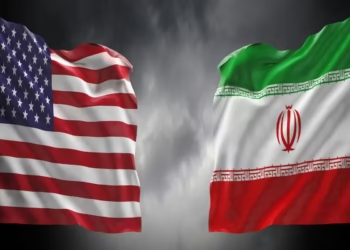
While political tensions between Washington and Tehran have historically been strained, the reopening signals at least a temporary alignment of interests in preventing economic shockwaves.
Security experts suggest that Iran’s decision to allow commercial shipping under coordinated routing may serve multiple objectives; demonstrating diplomatic flexibility amid ceasefire negotiations, reducing economic pressure linked to oil price volatility, managing international perception during a fragile truce, maintaining sovereign authority over maritime oversight.
The Strait of Hormuz reopens not as a permanent resolution, but as a ceasefire-linked measure. Iranian officials have emphasized that the arrangement applies strictly for the duration of the truce.
Beyond oil markets, the reopening impacts global trade logistics. Numerous container vessels, liquefied natural gas shipments, and petrochemical exports transit through the strait daily.
Shipping insurance premiums, freight costs, and supply chain scheduling are all directly influenced by stability in the Gulf region. A prolonged disruption could have triggered inflationary pressures worldwide.
Economists note that Nigeria and other oil-exporting nations closely monitor developments in the Strait of Hormuz. Price volatility can affect national revenue projections, foreign exchange stability, and fiscal planning.
For oil-dependent economies, the Strait of Hormuz reopens announcement may provide temporary breathing space in global commodity markets.
Despite the positive market response, geopolitical analysts caution that the ceasefire remains delicate. The 10-day truce between Israel and Lebanon is being closely monitored by international mediators.
Should hostilities resume, maritime restrictions could quickly return. Iran’s condition that vessels must follow designated maritime coordination suggests that authorities retain operational leverage over shipping flows.
The coming days will determine whether the Strait of Hormuz reopens marks the beginning of sustained de-escalation or merely a brief pause in regional tensions.
International stakeholders, including Gulf states, Western powers, and global energy corporations are watching developments closely.
At The iNews Times, we continue to track the geopolitical, economic, and energy implications of the Strait of Hormuz reopens decision, bringing readers verified updates and expert analysis on one of the world’s most critical maritime corridors.