Xenophobic Attacks in South Africa Prompt Diplomatic Engagement.
Bianca Odumegwu-Ojukwu says government will not tolerate harassment, announces crisis unit for imperiled Nigerians.
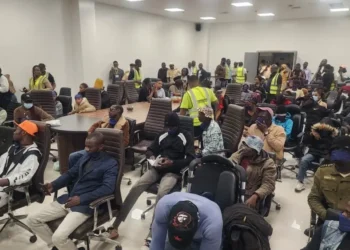
Abuja, Nigeria – The iNews Times reports that xenophobic attacks in South Africa https://www.gov.za have prompted the Nigerian government to activate emergency measures, including prioritising the evacuation of citizens willing to return home amid rising anti-foreigner tensions.
Minister of Foreign Affairs, Bianca Odumegwu-Ojukwu, disclosed that Nigeria cannot stand by while its nationals face systematic harassment, humiliation, and alleged extra-judicial killings in South Africa. She made this known following a phone conversation with her South African counterpart, Ronald Lamola.
In this report, we examine the key developments, reactions from stakeholders, and the broader implications.
Background of the Story
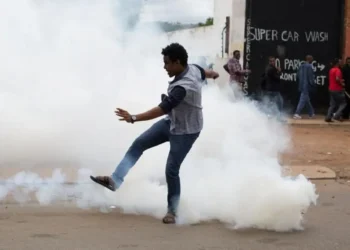
Xenophobic attacks in South Africa have resurfaced in recent weeks, coinciding with anti-migrant protests that have reignited long-standing tensions over immigration and economic competition.
The latest protest occurred in Durban on May 6, 2026, where anti-foreigner rhetoric was openly expressed. Although heavy security presence reportedly prevented violence, anxiety within migrant communities, including Nigerians, has intensified.
Historically, South Africa has witnessed periodic outbreaks of xenophobic violence, often targeting African nationals engaged in small businesses. Nigerian traders and professionals have frequently expressed concerns about safety, discrimination, and limited accountability for attacks.
Key Developments
According to Odumegwu-Ojukwu, President Bola Ahmed Tinubu has directed Nigerian Missions in South Africa to establish, with immediate effect, a Crisis Notification Unit to assist imperiled citizens.
She emphasised that evacuation remains a priority for Nigerians who wish to return home due to the worsening climate.
“I maintained that our government cannot stand by and watch the systematic harassment and humiliation of our nationals resident in South Africa as well as the extra-judicial killings of our people,” she stated.
The minister further urged South African authorities to ensure that cases of alleged extra-judicial killings involving Nigerians are treated with seriousness and urgency.
“There should be clear and immediate consequences for such acts,” she said.
Odumegwu-Ojukwu also revealed that the Nigerian Mission advised Nigerians in Durban to close shops and businesses and remain indoors during the protest as a precautionary measure.
Reactions from Stakeholders
South Africa’s Foreign Affairs Minister, Ronald Lamola, reportedly expressed concern over Nigeria’s evacuation plan but acknowledged his country’s responsibility to protect foreign nationals, including children.
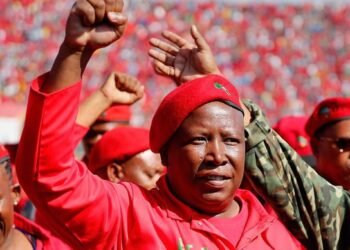
According to Odumegwu-Ojukwu, discussions also addressed the activities of anti-foreigner political groups whose rhetoric and actions could endanger Nigerian lives and property.
She warned that such hostility may also jeopardize South African interests in Nigeria if tensions escalate.
Particularly troubling, the minister noted, is the bullying of Nigerian children and those born to Nigerian and South African parents, often referred to as “Sougerians.”
“These children are being wrongfully bullied in schools and taunted to return to their country. This is reprehensible and capable of causing trauma to young minds,” she said.
Lamola, in response, assured that South African authorities recognise their responsibility to protect innocent children and are working through education supervisory bodies to discourage discriminatory practices.
Implications
The renewed wave of xenophobic attacks in South Africa carries significant diplomatic and economic implications for both nations.
Nigeria and South Africa maintain one of Africa’s most strategic bilateral relationships, with substantial trade, investment, and corporate presence across both countries. Escalating tensions could strain economic ties and public sentiment.
Socially, the targeting of children raises human rights concerns that could attract wider international scrutiny. Politically, the evacuation directive signals Abuja’s readiness to act decisively in protecting its diaspora.
For Nigeria’s foreign policy posture, the move underscores a shift toward stronger citizen-protection diplomacy, particularly within Africa.
What Happens Next
The immediate focus remains on operationalising the Crisis Notification Unit and monitoring developments on the ground in South Africa.
Diplomatic engagements between both governments are expected to continue in the coming days, with pressure mounting on Pretoria to address security concerns and rein in inflammatory rhetoric.
Observers say the durability of Nigeria–South Africa relations may depend on how swiftly authorities prevent further xenophobic attacks and reassure affected communities.
Conclusion
The latest xenophobic attacks in South Africa have triggered a firm response from Nigeria, with evacuation plans and diplomatic pressure now in motion.
As tensions simmer, the situation tests not only bilateral ties but also Africa’s broader commitment to unity and protection of citizens across borders. For many Nigerians abroad, the coming days will determine whether assurances translate into tangible safety.