NNPP and Labour Party Crisis? Galadima Points Fingers at APC.
APC ‘allergic to democratic competition,’ says NDC chieftain as debate over 2027 realignments intensifies.
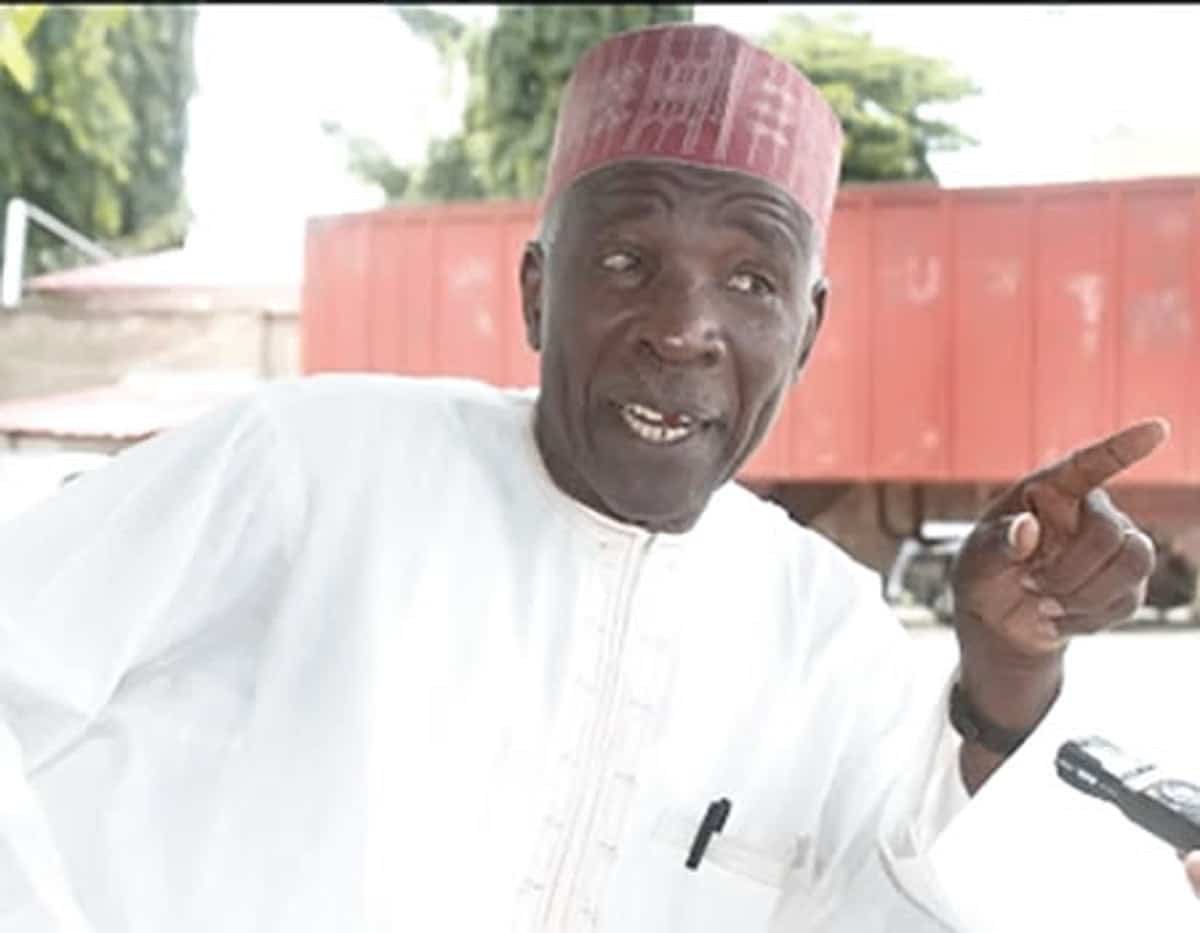
ABUJA, NIGERIA – The iNews Times | NNPP and Labour Party crisis has taken a fresh political dimension after a chieftain of the Nigeria Democratic Congress (NDC) https://ndcnigeria.com, Buba Galadima, accused President Bola Tinubu’s administration of allegedly undermining opposition platforms that produced Peter Obi and Rabiu Kwankwaso as presidential candidates in the 2023 elections.
Galadima, a prominent northern political figure, made the allegation while explaining the circumstances surrounding the departure of Obi and Kwankwaso from the African Democratic Congress (ADC), insisting that the ruling All Progressives Congress (APC) is intolerant of democratic competition.
In this report, we examine the key developments, reactions from stakeholders, and the broader implications.
Background of the Story
The 2023 presidential election reshaped Nigeria’s political landscape, with Peter Obi contesting under the Labour Party (LP) and Rabiu Kwankwaso flying the flag of the New Nigeria Peoples Party (NNPP). Both parties experienced unprecedented national visibility, altering the traditional dominance of the APC and the Peoples Democratic Party (PDP).
However, since the elections, internal disputes, leadership tussles, and legal battles have trailed both LP and NNPP, raising questions about their structural stability ahead of 2027.
Against this backdrop, Galadima’s remarks suggest that the turbulence within the opposition may not be purely internal but influenced by broader political maneuvers.
Key Developments
Speaking on recent political realignments, Galadima alleged that the current administration and the APC have systematically weakened opposition platforms to secure electoral advantage.
“The government of the day and the ruling party have gone to town to destroy all political parties,” he said.
“They destroyed the NNPP and LP, on which both Kwankwaso and Peter Obi ran in 2023.”
He further claimed that the APC seeks to create a political environment in which President Bola Ahmed Tinubu would face little or no formidable opposition in future contests.
“The APC wants to assure itself that the only way it can win elections is to have a single candidate, President Bola Ahmed Tinubu; they are allergic to democratic competition,” Galadima added.
Although he did not provide specific evidence to substantiate the claims, his comments have intensified conversations around the evolving state of opposition politics in Nigeria.
Reactions from Stakeholders
Political analysts have described the NNPP, Labour Party crisis as symptomatic of deeper structural weaknesses within Nigeria’s multiparty system.
A political science lecturer at the University of Abuja told The iNews Times that while allegations of interference are common in Nigeria’s political discourse, opposition parties must also strengthen their internal cohesion.
“It is easy to blame the ruling party, but opposition platforms must demonstrate institutional resilience. Internal democracy, discipline, and clear leadership structures are critical,” he said.
Meanwhile, an APC source dismissed Galadima’s comments as “political rhetoric,” arguing that the ruling party remains committed to democratic principles.
“The APC won the 2023 election through constitutional means. Claims of destroying other parties are unfounded and meant to distract from internal crises within those parties,” the source said.
Supporters of Obi and Kwankwaso, however, insist that the challenges confronting LP and NNPP reflect a hostile political climate that discourages emerging alternatives.
Implications
The NNPP, Labour Party crisis carries significant implications for Nigeria’s political trajectory ahead of the 2027 general elections.
If opposition parties remain fragmented or weakened, the ruling APC could benefit from a divided field. Conversely, persistent allegations of suppression may deepen public skepticism about the fairness of political competition.
The debate also highlights the fragility of smaller political platforms that surge during election cycles but struggle with post-election consolidation.
For voters seeking viable alternatives, the stability of opposition parties will likely influence perceptions of electoral competitiveness and democratic health.
What Happens Next
As 2027 approaches, attention will focus on whether NNPP, Labour Party, and other opposition forces can rebuild internal unity and present cohesive strategies.
Political realignments, mergers, or coalition talks could emerge as parties attempt to consolidate strength against the ruling APC.
Galadima’s remarks may also trigger further responses from political actors across party lines, potentially shaping the narrative around opposition survival and democratic space in Nigeria.
Conclusion
The NNPP, Labour Party crisis has once again brought Nigeria’s democratic competition into sharp focus, with allegations of systemic weakening of opposition platforms adding fuel to an already charged political atmosphere.
Whether these claims hold weight or reflect partisan positioning, the evolving dynamics will significantly influence the contours of Nigeria’s 2027 electoral contest. The iNews Times will continue to track developments as the battle for political relevance and democratic space unfolds nationwide.