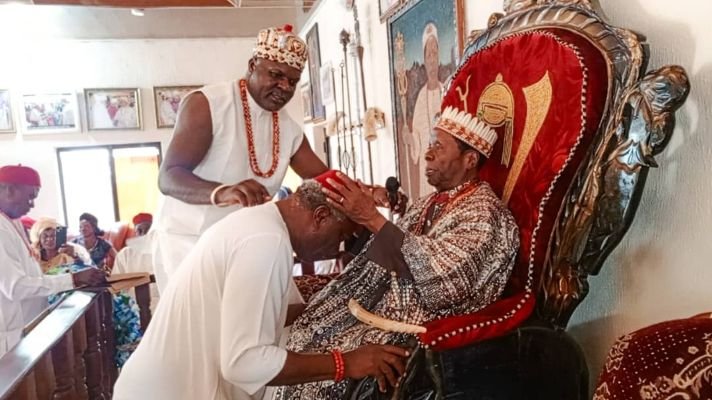
Awka Peace and Unity: Industrialist Urges Indigenes to Embrace Reconciliation.
Industrialist calls for reconciliation, sacrifice and collective action to restore Awka’s historical pride and influence.
Awka, Nigeria – The iNews Times | The call for Awka Peace and Unity has taken centre stage following a passionate appeal by Lagos-based industrialist and member of the Awka Traditional Ruler’s Advisory Council, Chief Jonathan Nzekwe, urging indigenes to abandon divisive politics and embrace peace for the growth and future of the Anambra State capital.
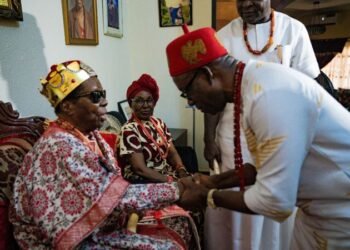
Nzekwe, popularly known by his traditional title, Chinyelugo, made the appeal while speaking with journalists in Awka shortly after his elevation, alongside eight other prominent sons of the community, as certified Cabinet Chiefs and members of the Obi Gibson Nwosu Cabinet Advisory Council. He described the moment as both an honour and a call to greater responsibility.
In this report, we examine the key developments, reactions from stakeholders, and the broader implications.
Background of the Story
Awka, the capital of Anambra State, has long held strategic, cultural and political significance in Igboland.
Known historically for its ancient blacksmithing tradition and leadership influence, Awka has remained one of the most recognisable indigenous urban centres in southeastern Nigeria.
However, internal political divisions and prolonged traditional stool disputes have, over the years, created tensions that many believe slowed down the community’s pace of progress.
The renewed push for Awka Peace and Unity comes at a time when many stakeholders say reconciliation is necessary to reposition the town for future development.
Key Developments
Chief Jonathan Nzekwe said the conferment of traditional titles should go beyond ceremony and be seen as a call to selfless service.
According to him, certified chiefs must remain humble, approachable and willing to listen to the concerns of the people.
He stressed that traditional leadership demands wisdom, sacrifice and a deep commitment to the welfare of the community.
Nzekwe noted that members of the Cabinet Advisory Council have a crucial duty to bridge the gap between the traditional institution and the people by staying connected to their aspirations.
He also called on Awka indigenes both at home and in the diaspora to unite under the banner of Awka Peace and Unity, insisting that sustainable development can only happen in an atmosphere of peace.
Reflecting on Awka’s past, he recalled a time when neighbouring communities looked up to the town for leadership and direction.
He said historical records showed that the first Igwe of Awka, Nnebe, once presided over the affairs of surrounding communities before changing circumstances altered that influence.
Reactions from Stakeholders
Community leaders and observers have welcomed Nzekwe’s call, describing it as timely.
Some residents said the message for Awka Peace and Unity resonates deeply, especially after years of internal disagreements over leadership and communal interests.
A local elder who spoke to The iNews Times said the appeal reflects what many elders have long advocated unity over personal ambition.
Traditional institution watchers also praised the recent reconciliation efforts, noting that restoring harmony within Awka could strengthen its political and economic standing in Anambra.
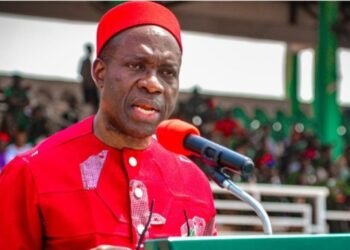
Nzekwe also commended Chukwuma Charles Soludo for intervening in the long-standing traditional stool dispute, describing the governor’s role as a major breakthrough for peace.
Implications
The push for Awka Peace and Unity carries wider implications for governance, investment and cultural preservation.
Analysts say a united Awka could attract stronger economic opportunities, infrastructure growth and deeper community-driven development.
Disunity, on the other hand, could weaken the town’s influence and allow neighbouring communities to surpass it in areas where it once held dominance.
At The iNews Times, community development experts note that peace within traditional institutions often serves as the foundation for broader social and political stability.
What Happens Next
Following his elevation, Nzekwe and other newly installed Cabinet Chiefs are expected to play more active roles in advisory and peace-building efforts within the community.
Stakeholders are also likely to intensify reconciliation talks and community engagement aimed at strengthening the vision of Awka Peace and Unity.
With the traditional stool dispute largely resolved, many residents now expect a fresh era of cooperation and strategic planning.
The coming months may determine whether Awka can fully harness this momentum for long-term progress.
Conclusion
Chief Nzekwe’s message has placed Awka Peace and Unity at the heart of the town’s future.
His warning against divisive politics and call for sacrifice underscore the urgent need for collective responsibility in rebuilding Awka’s strength and influence.
For a town with deep historical roots and strategic importance, the path forward may depend on how strongly its people choose unity over division.