…the CBN deputy governor nomination aligns with the provisions of Section 8(1) of the Central Bank of Nigeria Act 2007.
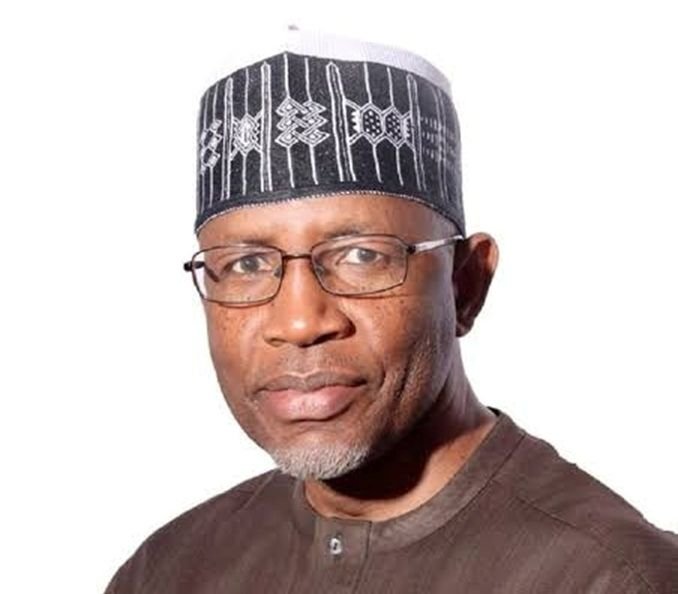
Abuja, Nigeria – The iNews Times | The CBN deputy governor nomination process has commenced after President Bola Ahmed Tinubu nominated Lamido Abubakar Yuguda as Deputy Governor of the Central Bank of Nigeria, subject to confirmation by the Nigerian Senate.
The nomination was announced on Wednesday in a statement issued by Bayo Onanuga, Special Adviser to the President on Information and Strategy.
According to the statement, the CBN deputy governor nomination aligns with the provisions of Section 8(1) of the Central Bank of Nigeria Act 2007, which grants the President the authority to appoint the Governor and Deputy Governors of the Central Bank, subject to confirmation by the Senate.
The development comes as part of ongoing efforts by the Tinubu administration to strengthen leadership within Nigeria’s financial institutions amid broader economic reforms.
Officials said the nomination followed the recent redeployment of Bala Bello, who previously served as Deputy Governor of the Central Bank, and was recently appointed Special Adviser to the President on Political Economy.
Presidential sources noted that Yuguda’s experience across financial regulation, central banking and international economic institutions was a major factor behind the CBN deputy governor nomination.
President Tinubu, according to the statement, urged the nominee to bring professionalism, dedication and integrity to the role if confirmed by the Senate.
He also expressed confidence that Yuguda’s expertise would help strengthen Nigeria’s financial system and contribute to improved economic stability and sustainable growth.
Experienced Financial Regulator
Before the CBN deputy governor nomination, Yuguda served as Director-General of the Securities and Exchange Commission Nigeria from 2020 to 2024.
During his tenure at the SEC, he oversaw regulatory reforms aimed at strengthening Nigeria’s capital market and improving investor confidence.
His leadership at the commission came at a period when Nigeria’s financial regulators were working to deepen market transparency and enhance compliance standards.
Yuguda’s professional background also includes decades of experience within the Central Bank itself.
He first joined the Central Bank in 1984 as a Senior Supervisor in the Foreign Operations Department, marking the beginning of a long career in financial policy and banking operations.
Between 1997 and 2001, Yuguda worked with the International Monetary Fund as an economist in the Africa Department, where he contributed to economic policy analysis and financial sector advisory work relating to African economies.
After his stint at the IMF, he returned to the Central Bank of Nigeria and continued to rise through the ranks.
He later became Director of the Reserve Management Department, a strategic unit responsible for managing Nigeria’s external reserves and foreign assets.
Yuguda held that position for six years before retiring from the Central Bank in 2016.
Academic and Professional Credentials
Beyond his public sector experience, the CBN deputy governor nomination also highlights Yuguda’s academic and professional credentials in finance and economics.
He is an alumnus of Ahmadu Bello University, where he obtained a Bachelor of Science degree in Accountancy in 1983.
In 1991, he earned a master’s degree in Money, Banking and Finance from the University of Birmingham in the United Kingdom.
Yuguda is also a Fellow of the Institute of Chartered Accountants of Nigeria and holds the globally recognised Chartered Financial Analyst designation from the CFA Institute.
Economic analysts say his combination of regulatory experience, international exposure and central banking expertise could prove significant if the Senate confirms the CBN deputy governor nomination.
If approved by lawmakers, Yuguda will join the leadership team of the Central Bank at a critical time as Nigeria navigates currency volatility, inflation pressures and ongoing reforms aimed at stabilising the nation’s financial system and strengthening investor confidence.