2027 Presidential Election: Sowunmi Predicts Tinubu-Atiku Contest with Regional Variations.
Analyst Foresees 22-State Victory for Incumbent but Highlights Northern Vulnerabilities Ahead of Crucial Poll.
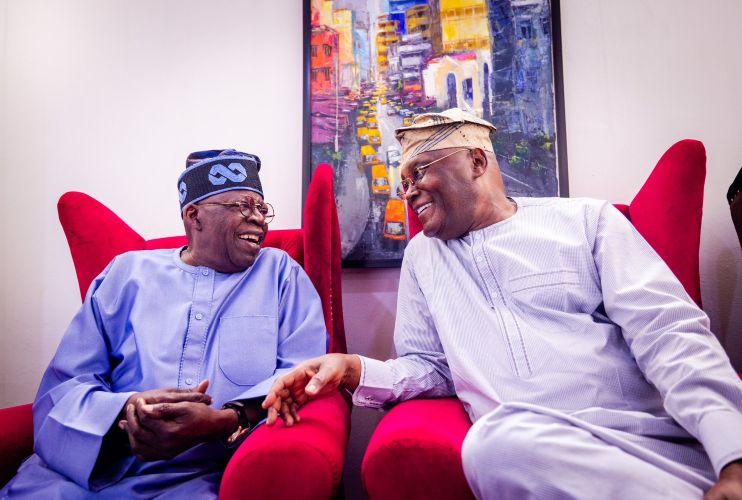
ABUJA, Nigeria – The iNews Times | Political analyst Segun Sowunmi has projected that the 2027 presidential election will primarily be a contest between President Bola Tinubu and Atiku Abubakar, with the incumbent potentially securing victories in around 22 states despite expected weaknesses in some northern areas.
The prediction, shared during an appearance on Arise Television’s Morning Show, offers early insights into the evolving political dynamics as Nigeria prepares for the next general elections.
In this report, we examine the key developments, reactions from stakeholders, and the broader implications.
Background of the Story
Nigeria’s presidential polls have long been shaped by intricate regional alliances, the influence of state governors, and economic power brokers. President Tinubu’s administration has focused on economic reforms since 2023, even as opposition figures like Atiku Abubakar remain active. Sowunmi, a former ally of the African Democratic Congress (ADC) https://www.adc.org.ng, draws from his campaign experience to analyse shifting loyalties and voting patterns that could define the 2027 presidential election.
Key Developments
Sowunmi anticipates improved performances for Tinubu in the Southeast, strong results in the Southwest and South South, solid gains in the Northcentral, and better numbers in the Northwest than in 2023. He noted that success in the Northeast would depend on enhanced efforts by the Vice President and state governors. However, he flagged potential challenges in parts of the North, pointing to changes in key political actors and business influences.
Reactions from Stakeholders
Sowunmi was unequivocal about the main contenders. “The election is between Tinubu and Atiku no doubt about it,” he declared, adding that Tinubu would record significantly better numbers in the Southeast. He expressed optimism about the South South delivering even stronger support and highlighted the role of major economic players in states like Kano.
On northern politics, he cited examples such as shifting dynamics in Katsina, where figures like Isa Kenta have moved to the APC, and the prominence of leaders like Shekarau in Kano alongside business tycoons. “Where I expect the president to be weak is probably in the North but in that North where the president may be weak, I have looked at all the governors and big players there,” Sowunmi explained.
Implications
The analysis of the 2027 presidential election underscores the fluidity of Nigerian politics, where defections and strategic alliances can rapidly alter power equations. A projected 22-state win would reinforce APC control, yet northern vulnerabilities could embolden opposition strategies and affect national cohesion. Economically, such forecasts influence market sentiments, investment decisions, and policy priorities as politicians intensify efforts to consolidate support.
What Happens Next
Political parties are likely to ramp up internal consultations, candidate screenings, and cross-regional negotiations in the coming months. The ruling party may focus on addressing identified weak spots through targeted interventions, while opposition groups seek to capitalise on any perceived gaps. INEC and security agencies will also prepare for what promises to be a high-stakes electoral season.
Conclusion
Segun Sowunmi’s assessment provides a thought-provoking lens on the 2027 presidential election, blending optimism for President Tinubu with cautionary notes on regional challenges. As The iNews Times tracks these developments, it is evident that strategic political manoeuvring will play a decisive role in shaping Nigeria’s leadership direction and democratic journey in the years ahead.