Number Plate Enforcement: Vehicles With Covered Plates Face Impoundment.
Motorists risk impoundment as security agencies move to tighten vehicle identification across Lagos.
Lagos, Nigeria – The iNews Times | The Number Plate Enforcement exercise is set to commence across the state on Monday, June 15, as the Lagos State Police Command intensifies efforts to strengthen security and curb criminal activities linked to vehicles operating with covered, obscured, defaced, unauthorised or missing registration plates.
The new enforcement directive, announced on Sunday, is part of a broader nationwide security initiative ordered by the Inspector-General of Police. Authorities say the move is aimed at improving public safety and preventing criminal elements from using unidentifiable vehicles to evade detection.
In this report, we examine the key developments, reactions from stakeholders, and the broader implications.
Background of the Story
The use of vehicles with concealed or tampered number plates has long posed serious security challenges in Lagos and other parts of Nigeria.
Law enforcement agencies have repeatedly linked such vehicles to crimes ranging from kidnappings and robberies to hit-and-run incidents and illegal transportation operations.
In a city as densely populated and commercially active as Lagos, effective vehicle identification remains central to crime prevention and investigation.
The new Number Plate Enforcement initiative reflects increasing pressure on security agencies to close loopholes often exploited by criminal networks.
Key Developments
In a statement issued by the Lagos State Police Command, spokesperson Abimbola Adebisi said the exercise would target all vehicles operating with irregular registration plates.
The directive, according to the command, follows an order by the Inspector-General of Police, Olatunji Disu, as part of wider security reforms.
The operation will be supervised by the Commissioner of Police, Lagos State Command, Tijani Fatai.
Area Commanders and Divisional Police Officers across Lagos have been instructed to ensure strict compliance within their jurisdictions.
Police warned that any vehicle found violating the directive under the Number Plate Enforcement operation would be impounded and subjected to investigation in accordance with existing laws.
Authorities stressed that the operation is not meant to punish law-abiding motorists but to improve the ability of security agencies to identify vehicles, track suspects and investigate crimes more effectively.
Motorists, transport operators and fleet owners have been advised to ensure their registration plates are valid, clearly visible and properly documented.
Reactions from Stakeholders
The announcement has drawn mixed reactions from motorists and transport operators across Lagos.
While some residents welcomed the Number Plate Enforcement as a necessary security measure, others expressed concerns about possible traffic delays and operational disruptions.
Security analysts have praised the move, arguing that visible and authentic number plates are critical tools for surveillance and criminal investigations.
A transport operator in Ikeja told The iNews Times that while the exercise may inconvenience some drivers initially, it could help reduce criminal abuse of vehicles if fairly implemented.
Public safety advocates also urged the police to maintain professionalism and avoid unnecessary harassment during the operation.
Implications
The Number Plate Enforcement could significantly reshape vehicle compliance and security monitoring in the state.
Experts say stricter enforcement may improve crime detection rates, strengthen intelligence gathering and discourage the use of anonymous vehicles for illegal activities.
However, analysts warn that public trust in the operation will depend heavily on transparency, fairness and consistent application of the law.
At The iNews Times, security observers note that Lagos, as Nigeria’s economic hub, often sets the pace for similar security policies in other states.
If successful, the exercise could become a model for broader national enforcement strategies.
What Happens Next
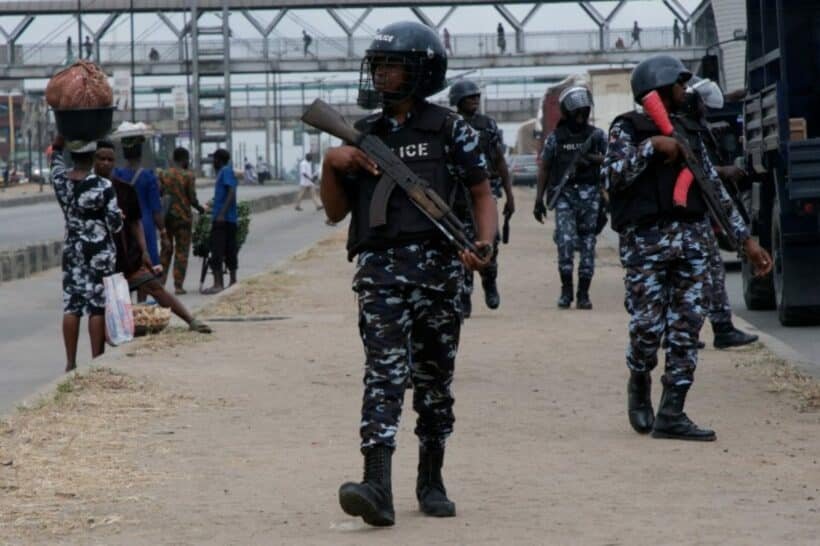
The statewide enforcement begins Monday, with police teams expected to be deployed at strategic locations across Lagos.
Vehicle owners found in violation may face impoundment, questioning and possible prosecution depending on the severity of the infraction.
Authorities are also encouraging residents to support the Number Plate Enforcement by reporting suspicious vehicles and activities through official emergency channels.
The effectiveness of the operation will likely become clearer in the coming weeks as compliance levels and enforcement outcomes emerge.
Conclusion
The launch of the Number Plate Enforcement marks another major step in the state’s ongoing effort to strengthen public safety and improve crime prevention.
For motorists, the message is clear: ensure your vehicle’s registration is legal, visible and up to date.
As Lagos tightens its security framework, the success of the exercise may depend not only on police action but also on public cooperation and compliance.