…operatives also uncovered hundreds of sacks filled with crude oil and condensate stored at concealed coastal locations.
NIGER DELTA, NIGERIA- The iNews Times| A report presented to a joint committee has revealed an extensive and highly coordinated crude oil theft operation across the Niger Delta waterways, involving purpose-built vessels, hidden jetties, and international buyers.
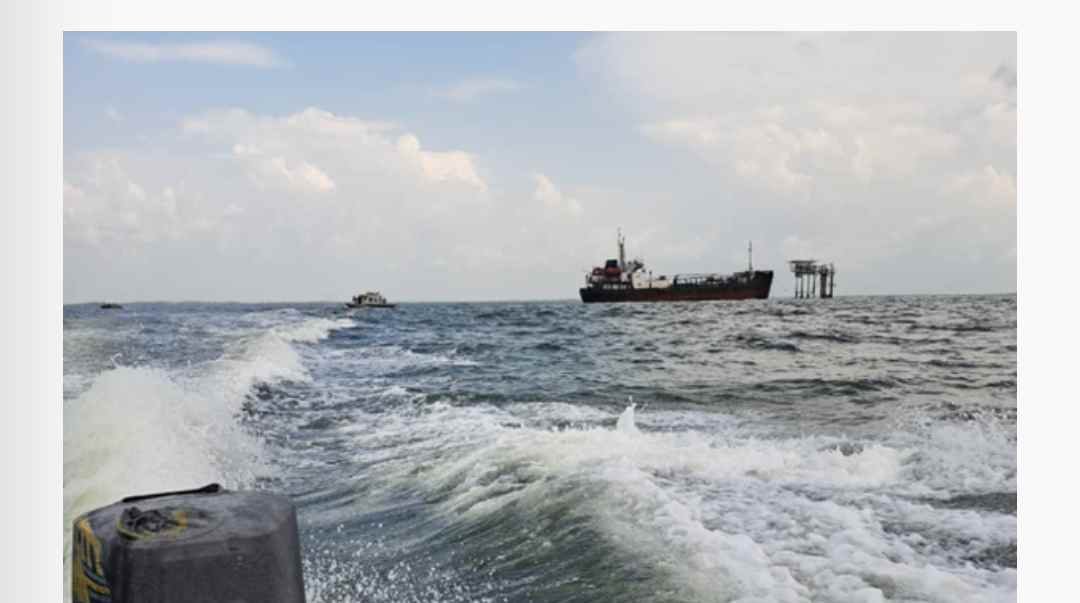
According to findings by Tantita Security Services Nigeria Limited, marine patrol teams intercepted multiple specially designed boats used exclusively for transporting stolen crude to offshore vessels. Unlike ordinary fishing boats, these “banana boats” are engineered for stealth, speed, and navigation through shallow waters, making them difficult for enforcement agencies to track.
Operatives also uncovered hundreds of sacks filled with crude oil and condensate stored at concealed coastal locations. These were positioned at makeshift jetties constructed in remote areas, carefully designed to blend into the environment and avoid detection.
The report described the operation as a “parallel crude oil marketing system,” functioning entirely outside regulatory oversight. Ships stationed in international waters reportedly dispatch smaller vessels to collect stolen crude oil from these jetties, before transporting it to foreign refineries and markets, costing Nigeria billions in lost revenue.
Committee members were told that the scale of operations is significant, with coordinated nightly movements across multiple sites enabling the transfer of tens of thousands of barrels weekly. The criminal networks behind the trade have optimised logistics, from boat construction to crew training, operating with a level of efficiency comparable to legitimate enterprises.
To counter these activities, Tantita has adopted advanced enforcement strategies, including the use of high-speed interceptor boats, night-vision technology, and intelligence-led operations. In one highlighted case, weeks of surveillance led to the dismantling of a major illegal jetty, the seizure of large volumes of stolen crude, and multiple arrests.
However, the report noted that such networks are resilient, often rebuilding destroyed infrastructure quickly. It also highlighted the international dimension of the crime, with receiving vessels frequently operating under flags of convenience and ownership structures designed to evade identification.
The committee called for stronger international collaboration to tackle the offshore aspect of crude oil theft, including tracking suspect vessels and applying diplomatic pressure on ports that accept illicit oil.
Beyond economic losses, the report warned of serious environmental consequences, as unsafe transfer methods frequently result in crude oil spills that further damage the already fragile ecosystem of the Niger Delta.
Despite these challenges, the committee expressed cautious optimism, noting that sustained enforcement efforts have begun to disrupt operations and reduce the profitability of illegal crude oil exports.