Anambra First Lady Links Low Poverty Rate to Empowerment and Job Creation Drive.
First Lady links state’s low multidimensional poverty rate to ongoing empowerment drive as Nigeria marks International Day for the Eradication of Poverty.
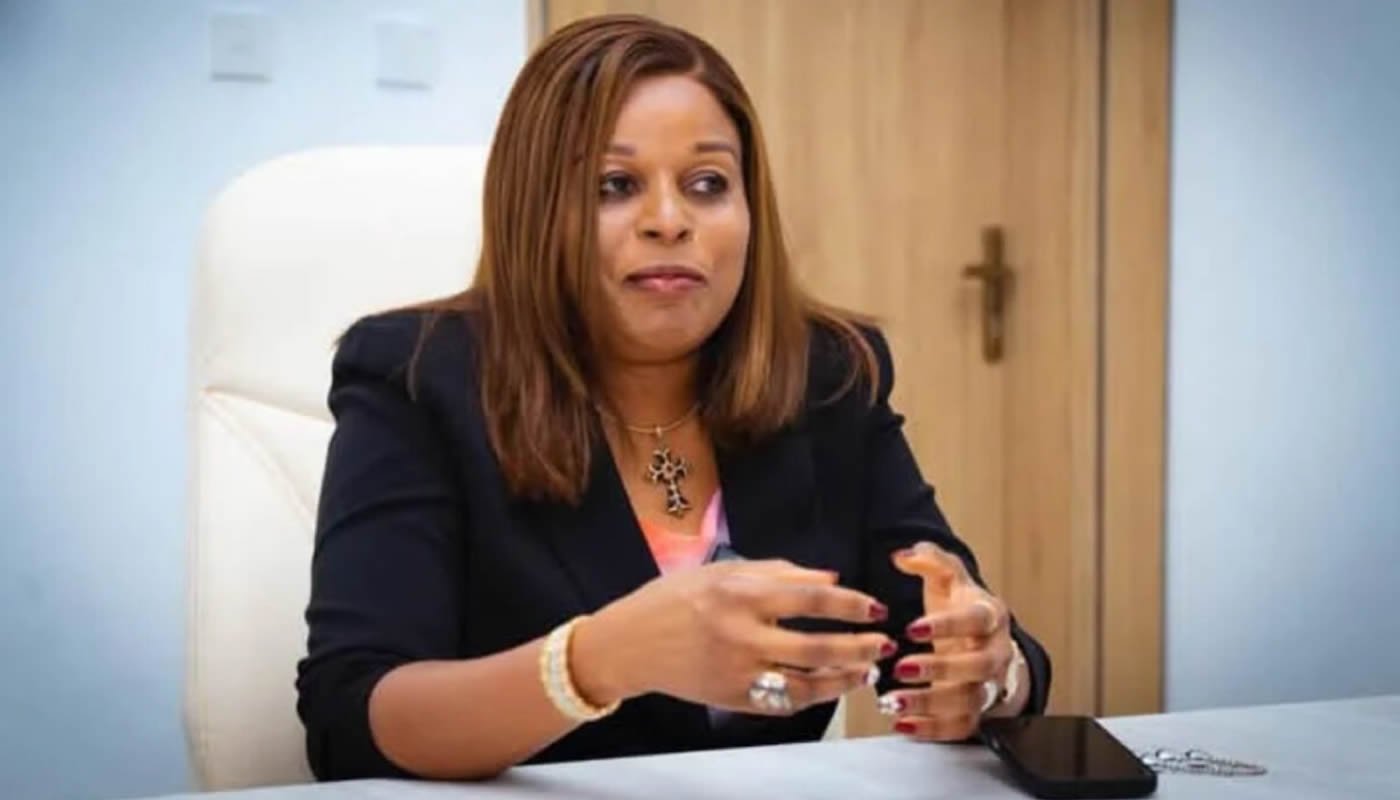
AWKA, NIGERIA — The iNews Times | Anambra First Lady Dr Nonye Soludo has called for sustained collective action to eradicate poverty, stressing that job creation, practical empowerment, technology-driven programmes, economic transformation and human capital development remain the surest pathways to lasting prosperity for Ndi Anambra.
In a statement released by her media aide, Daniel Ezeigwe, on Saturday to mark the International Day for the Eradication of Poverty, the First Lady described the fight against poverty as a continuous mission rather than a one-day commitment. She emphasised that poverty extends beyond the absence of money to the lack of opportunities, dignity and the means to build a better future.
In this report, we examine the key developments, reactions from stakeholders, and the broader implications.
Background of the Story
The International Day for the Eradication of Poverty is observed globally every 17 October under the auspices of the United Nations https://www.un.org. The 2026 observance falls under the 2026–2028 theme “United for Peace and Human Rights,” with a special focus on “Safe Homes for All.” The United Nations notes that more than 2.8 billion people worldwide experience some form of housing inadequacy, with those already living in poverty and exclusion bearing the heaviest burden. Without safe and stable housing, access to healthcare, education, employment and community participation becomes significantly harder.
Anambra State has recorded notable progress in reducing multidimensional poverty. According to the 2026 Global Multidimensional Poverty Index Country Briefing by the Oxford Poverty and Human Development Initiative (OPHI), the state currently stands at 9.6 per cent one of the lowest rates in Nigeria and the lowest in the South East. This achievement sits against a national backdrop where poverty remains a stubborn challenge, making Anambra’s relative success a point of both pride and responsibility for the Solution Administration led by Governor Chukwuma Soludo.
Key Developments
Dr Nonye Soludo, founder of the Healthy Living with Nonye Soludo initiative, used the global observance to reaffirm the state’s commitment. She noted that while the 9.6 per cent multidimensional poverty figure is encouraging, it also serves as a clear reminder that more work remains.
“Poverty isn’t just about the absence of money; it’s about the absence of opportunities, dignity and the means to build a better future for all,” she stated. “According to the 2026 Global Multidimensional Poverty Index Country Briefing by OPHI, Anambra State currently records a multidimensional poverty rate of 9.6 per cent, one of the lowest in Nigeria and the lowest in the South East. This is encouraging progress, but it’s also a reminder that there’s still more work to be done.”
She added that under the Solution Administration, the government remains committed to building an Anambra where prosperity is evenly shared, opportunities are accessible, and no one is left behind. Through targeted job creation, practical empowerment opportunities, technology-driven initiatives, economic transformation and human capital development, pathways are being created for citizens to rise above poverty and achieve lasting prosperity.
“We will not rest on our laurels until every Anambra citizen has a fair opportunity to live a dignified, productive, and fulfilling life,” Soludo vowed.
Reactions from Stakeholders
While the statement itself carried the First Lady’s direct message, the emphasis on collective effort has drawn quiet approval from development observers tracking Anambra’s social indicators. Community development advocates note that the First Lady’s consistent focus on human capital and practical empowerment through her NGO aligns with broader calls for multi-stakeholder collaboration involving government, private sector, traditional institutions and civil society. The stress on technology-driven solutions and economic transformation also resonates with ongoing conversations about how sub-national governments can leverage innovation to accelerate poverty reduction.
Implications
Anambra’s relatively low multidimensional poverty rate positions the state as a potential model within the South East and beyond. Sustaining and deepening this progress carries political, social and economic weight. Politically, it strengthens the Solution Administration’s narrative of delivery and shared prosperity. Socially, it reinforces the link between human dignity, safe housing and broader development outcomes highlighted by the United Nations theme. Economically, continued investment in job creation, skills and technology can expand the tax base, reduce pressure on social services and improve the state’s attractiveness for investment.
At the same time, the First Lady’s acknowledgement that “there’s still more work to be done” signals realism. Multidimensional poverty, even at lower levels, continues to affect real households. Closing remaining gaps will require consistent policy focus, effective implementation and genuine collective ownership beyond government programmes alone.
What Happens Next
Expectations centre on the continued rollout and scaling of empowerment, skills and technology programmes under both the state government and the First Lady’s Healthy Living with Nonye Soludo initiative. Stakeholders will watch for measurable expansion in access to opportunities, particularly for women, youth and rural communities. Alignment with the global emphasis on safe homes may also influence future housing and urban development interventions. The state’s ability to maintain its low multidimensional poverty ranking while further reducing the absolute numbers of those still affected will remain a key performance marker in the months ahead.
Conclusion
Dr Nonye Soludo’s message on the International Day for the Eradication of Poverty underscores a clear position: Anambra has made measurable progress, yet the journey toward shared prosperity demands sustained collective effort. By framing poverty as the absence of opportunity and dignity rather than merely the absence of money, the Anambra First Lady has set a tone that places human capital and practical pathways at the centre of the state’s development agenda. The challenge now is to translate that vision into deeper, more inclusive results for every citizen.