Anambra Tourism Development Gains Momentum as Amedu Takes Office.
New Culture Commissioner pledges innovation under Soludo’s Solution 2.0 agenda.
AWKA, NIGERIA – The iNews Times | Anambra tourism development took centre stage in Awka as the newly sworn-in Commissioner for Culture, Tourism and Entertainment, Barrister Udoji Amedu, pledged to unlock the vast but underutilised tourism assets scattered across the state.
Speaking shortly after his inauguration alongside other members of the State Executive Council, Amedu assured stakeholders that his tenure would be marked by innovation, creativity and strategic partnerships aimed at repositioning Anambra as a leading tourism destination in Nigeria.
In this report, we examine the key developments, reactions from stakeholders, and the broader implications.
Background of the Story
Governor Chukwuma Soludo recently commenced what his administration describes as the “Solution 2.0” phase a second-term agenda focused on consolidating reforms and accelerating development across critical sectors of the state economy.
Tourism, culture and entertainment form a key pillar of that vision, particularly as Anambra seeks to diversify revenue sources beyond federal allocations and strengthen internally generated revenue.
Anambra is home to several iconic tourism sites, including the Ogbunike Cave, the Owellezukala Waterfall and the Anam Sand Beach. Despite their cultural and ecological value, many of these sites remain largely underdeveloped and under-marketed.
Key Developments
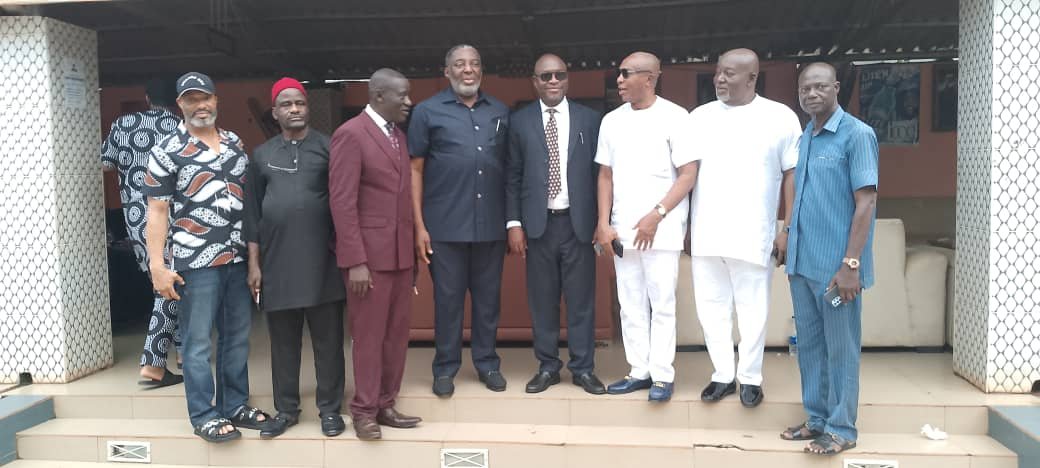
At a reception organised in his honour following his swearing-in ceremony, Amedu outlined his immediate priorities, stressing that Anambra tourism development must move from rhetoric to measurable impact.
“As part of the Solution 2.0 movement, I am determined to help the Governor bring the required innovations capable of making the tourism industry in the state boom,” he said.
He emphasised that the ministry, being largely creative in nature, must harness fresh ideas and modern management strategies to unlock the untapped potentials of tourism centres across the state.
Amedu specifically mentioned the Ogbunike Cave, Owellezukala Waterfall and Anam Sand Beach as priority sites for revitalisation, noting that targeted infrastructure upgrades, enhanced security, structured marketing and community engagement would form part of the transformation strategy.
Industry observers say that beyond physical upgrades, branding and digital visibility will be critical in driving visitor traffic, particularly as domestic tourism continues to gain traction across Nigeria.
Reactions from Stakeholders
The Commissioner’s appointment drew strong endorsements from political leaders and stakeholders in Ayamelum and beyond.
Member representing Ayamelum Constituency in the Anambra State House of Assembly, Chief Bernard Udemezue, described Amedu as a respected political father and a major stakeholder in the state’s development.
He commended Governor Soludo for what he termed a strategic appointment and advised the Commissioner to carefully study the system and align with existing structures to achieve success.
Deputy Chairman of Ayamelum Local Government Area, Felicia Oruya, recalled Amedu’s previous service as Executive Chairman and Transition Committee Chairman of the council, describing him as an experienced administrator with a strong record of public service.
She urged the people of Ayamelum to rally behind him and avoid actions capable of undermining his new mandate.
Similarly, university don Professor Arinze Obiorah characterised Amedu as a seasoned administrator and man of ideas, encouraging him to deploy innovative thinking and value-driven reforms in the ministry.
Political actors across party lines, including Barrister Emmanuel Obodoeze, Barrister Paul Okoye Anyaegbunam and mayoral candidate Emma Mgbechi, also advised the Commissioner to work closely with Governor Soludo to ensure alignment with the broader policy direction of the administration.
Implications
The renewed focus on Anambra tourism development carries significant economic and social implications.
If effectively executed, revitalising key tourism assets could boost employment in hospitality, transport, entertainment and small-scale enterprises. It may also enhance the state’s cultural preservation efforts while attracting private investment into eco-tourism and leisure infrastructure.
Beyond revenue generation, tourism development could improve Anambra’s national visibility and reposition the state as a cultural and heritage hub in the South-East region.
However, analysts caution that past attempts at tourism promotion have often stalled due to inadequate funding, poor maintenance culture and inconsistent policy implementation. Sustained political will and transparent project execution will therefore be critical.
What Happens Next
Attention will now turn to the Commissioner’s strategic roadmap and the timelines for implementation.
Stakeholders expect the ministry to unveil concrete action plans, possibly including public-private partnership frameworks, site rehabilitation projects and digital tourism campaigns within the coming months.
The success of Anambra tourism development under Solution 2.0 will largely depend on coordination between the state government, host communities, security agencies and private investors.
Conclusion
With Barrister Udoji Amedu now at the helm of the Ministry of Culture, Tourism and Entertainment, expectations are high that Anambra tourism development will move beyond promises into tangible transformation.
As The iNews Times continues to monitor developments, the coming months will reveal whether this renewed pledge to unlock untapped tourism potentials translates into sustainable growth and economic opportunity for the people of Anambra State.