Iran Accuses US of Ceasefire Violation.
Fresh Exchanges of Fire Raise Fears Over Strait of Hormuz Stability and Global Oil Supply.
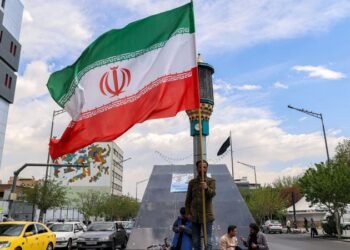
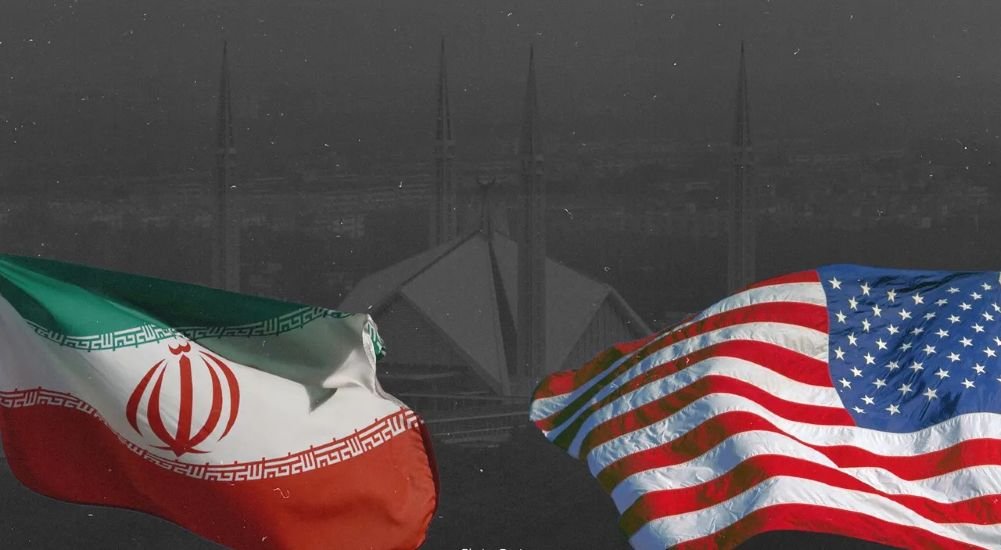
TEHRAN, Iran – The iNews Times | Iran has accused the United States of violating a fragile peace deal aimed at ending the Middle East conflict after Washington https://dc.gov launched strikes on Iranian targets and Tehran responded with retaliatory attacks on US positions in the Gulf.
The latest flare-up, which erupted following US accusations that Iran attacked a cargo ship in the Strait of Hormuz, threatens efforts to maintain open shipping lanes in this vital waterway even as both sides continue negotiations for a more comprehensive agreement.
In this report, we examine the key developments, reactions from stakeholders, and the broader implications.
Background of the Story
Tsions between the US and Iran have simmered for decades, fuelled by disagreements over Tehran’s nuclear programme, regional influence, and support for proxy groups. A recent ceasefire or memorandum of understanding had offered hope for de-escalation, but incidents involving commercial shipping quickly tested the truce.
The Strait of Hormuz, through which about one-fifth of global oil and gas exports pass, remains the strategic flashpoint where military posturing directly impacts energy markets worldwide, including Nigeria’s oil-dependent economy.
Key Developments
US Central Command (CENTCOM) confirmed strikes on Iranian missile and drone storage sites and coastal radar positions, describing them as a response to Iranian aggression against commercial shipping that violated the ceasefire.
Iran’s Revolutionary Guards retaliated by targeting US sites in the Gulf region, warning that any repeated aggression would trigger a broader response. Iranian state media reported explosions near Sirik Port, though officials claimed minimal damage and normal operations continued.
Bahrain condemned Iranian drone attacks on its territory, accusing Tehran of undermining peace initiatives.
Separately, Israel and Lebanon signed a US-brokered framework agreement that includes Lebanese forces taking control of pilot areas and a process for disarming Hezbollah, despite protests from the Iran-backed group.
Reactions from Stakeholders
The Iranian Foreign Ministry condemned the US strikes as “a blatant violation” of the peace understanding.
US President Donald Trump denounced the Iranian action against the cargo ship as “a foolish violation of our ceasefire agreement.” Vice President JD Vance warned on X that “violence will be met with violence.”
Israeli Prime Minister Benjamin Netanyahu hailed the Lebanon framework as a victory against Iran, while Lebanese President Joseph Aoun described it as a “first step” towards restoring sovereignty.
UN nuclear watchdog chief Rafael Grossi stressed the need for robust verification mechanisms in any final US-Iran deal to prevent nuclear weapon development.
Implications
This exchange of strikes between Iran and the US highlights the fragility of interim peace arrangements in the Middle East. For oil-producing nations like Nigeria, sustained disruptions in the Strait of Hormuz could trigger higher global crude prices, offering short-term revenue gains but risking inflation and economic instability at home.
The Lebanon agreement, meanwhile, represents a potential breakthrough in one theatre of the wider conflict, though Hezbollah’s opposition suggests implementation challenges ahead. Analysts note that linking the Lebanese front to broader US-Iran talks remains a major sticking point.
What Happens Next
Both Washington and Tehran are expected to continue behind-the-scenes diplomacy to prevent full-scale escalation while negotiating a final deal. Shipping companies will closely monitor the Strait of Hormuz for further disruptions, and the IAEA is likely to push for enhanced inspections of Iran’s nuclear facilities.
Regional players, including Gulf states, will intensify efforts to stabilise the situation.
Conclusion
The latest US-Iran clashes serve as a stark reminder of how quickly fragile ceasefires can unravel in one of the world’s most volatile regions. As The iNews Times continues to monitor these developments, their ripple effects on global energy security and Nigeria’s economic fortunes cannot be overstated. A sustainable resolution remains essential for lasting peace and stability.