Open HIV Discussions Essential for Tackling Stigma and Achieving Epidemic Control in Anambra.
Dr. Nkem Okeke Urges Collective Action as State Pushes for Holistic Epidemic Control.
AWKA, Nigeria – The iNews Times | The Anambra State Government has issued a strong call for families and communities to embrace open HIV discussions as a vital strategy to combat stigma, discrimination, and the spread of the virus across the state.
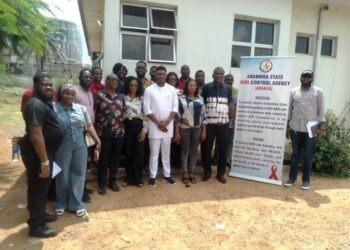
Dr. Nkem Okeke, Executive Director and Project Manager of the Anambra State AIDS Control Agency (ANSACA) https://www.ansaca.org, made the appeal during an interaction with journalists, stressing that defeating HIV requires more than government and medical intervention alone.
In this report, we examine the key developments, reactions from stakeholders, and the broader implications.
Background of the Story
Nigeria remains one of the countries with the highest HIV burden in Africa, with persistent challenges around late diagnosis, treatment adherence, and deep-rooted societal stigma. In Anambra State, like many other parts of the country, misconceptions and silence around the disease continue to hinder progress despite significant advances in antiretroviral therapy and prevention. The government has intensified efforts through ANSACA to shift the narrative from fear to open, informed dialogue at the grassroots level.
Key Developments
Dr. Okeke emphasised that HIV prevention, testing, treatment, and the fight against stigma must become regular family conversations. He noted that when families openly discuss the disease, it encourages early testing, improves access to care, reduces discrimination, and promotes healthier lifestyle choices among both youths and adults.
The ANSACA chief reaffirmed the agency’s dedication to expanding public awareness campaigns and forging stronger partnerships with various stakeholders to lower new infection rates while ensuring people living with HIV receive uninterrupted quality care and support.
Reactions from Stakeholders
Dr. Nkem Okeke’s message has resonated strongly with public health advocates. “HIV needs to be made a strategic family conversation again, and everybody must be involved in the drive to achieve holistic epidemic control in Anambra, and indeed Nigeria,” he stated.
He further added, “The fight against HIV requires the collective efforts of parents, guardians, community and religious leaders, schools, the media and other stakeholders to raise awareness and strengthen preventive measures.”
Implications
This renewed push for open HIV discussions carries significant social and public health implications. By breaking the culture of silence, Anambra State aims to normalise testing, support adherence to treatment, and dismantle barriers that prevent people from seeking help. Economically, reducing new infections and stigma translates to a healthier workforce and lower long-term healthcare costs, while socially it fosters more inclusive communities where individuals living with HIV can thrive without fear of discrimination.
What Happens Next
ANSACA is expected to roll out intensified community sensitisation programmes, engage religious and traditional institutions, and collaborate with schools and media outlets. Residents have been urged to know their HIV status through regular, confidential testing and to support broader efforts aimed at eliminating the epidemic in the state and contributing to national goals.
Conclusion
As Nigeria continues its journey towards ending HIV as a public health threat, the Anambra State Government’s emphasis on open HIV discussions within families represents a practical and culturally sensitive approach. The iNews Times will keep monitoring developments as this community-driven strategy unfolds, potentially offering a model for other states in the federation.