South Africa Xenophobia Claims: Justice Minister Calls for Peaceful Protest and Rule of Law.
Justice Minister says nation remains open to foreigners as authorities move to curb vigilantism and restore social cohesion.
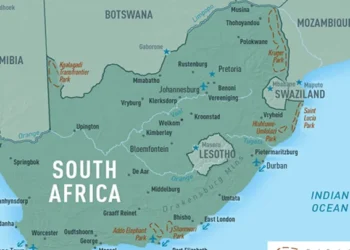
Pretoria, South Africa – The iNews Times | South Africa Xenophobia Claims have come under renewed scrutiny after the country’s government firmly rejected allegations that it is inherently hostile to foreign nationals, insisting that the nation remains one of Africa’s most accommodating destinations despite growing migration pressures.
The South African government’s latest response follows increasing public tensions over immigration and a rise in anti-foreigner sentiment, with officials warning that misinformation and mob action could further damage national unity and the country’s global image.
In this report, we examine the key developments, reactions from stakeholders, and the broader implications.
Background of the Story
The debate around South Africa Xenophobia Claims has intensified in recent years amid rising unemployment, pressure on social services and increasing undocumented migration.
South Africa has historically been a destination for migrants from across Africa and beyond, driven by its relatively stronger economy and industrial opportunities.
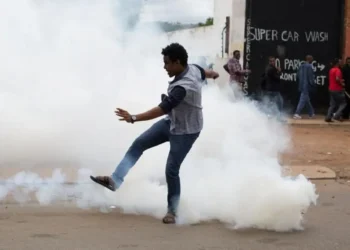
However, economic strain and public frustration have frequently triggered protests and isolated violent incidents targeting foreign nationals, leading to accusations of systemic xenophobia.
These tensions have often drawn international criticism and raised concerns over the country’s human rights record and diplomatic relations with neighbouring states.
Key Developments
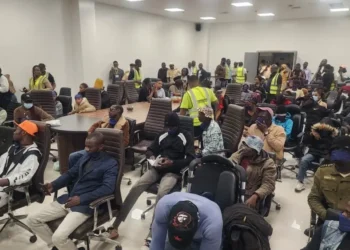
Speaking during an Inter-Ministerial Committee on Migration briefing aired by the South African Broadcasting Corporation https://www.sabc.co.za, South Africa’s Minister of Justice and Constitutional Development, Mmamoloko Kubayi, strongly dismissed the South Africa Xenophobia Claims.
Kubayi insisted that South Africa remains open to people from diverse countries and warned citizens against taking the law into their own hands.
She urged communities to reject vigilantism and avoid relying on social media misinformation when addressing concerns about undocumented migrants.
According to her, not every foreign national living in South Africa is in the country illegally, stressing that blanket assumptions are dangerous and divisive.
The minister also cautioned that attacks on foreign nationals often spill over to citizens who may simply look or speak differently, creating broader threats to social cohesion.
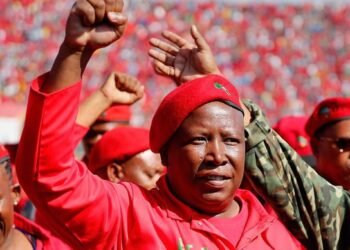
She reminded protesters that while demonstrations are protected under the constitution, any protest must remain peaceful and lawful.
Kubayi also warned employers against bypassing immigration laws by hiring undocumented workers, saying the government would not tolerate abuse of the system.
Reactions from Stakeholders
The government’s latest position has generated mixed reactions across South Africa and neighbouring African countries.
Human rights groups welcomed the strong rejection of violence, arguing that clear political messaging is crucial in reducing tensions linked to South Africa Xenophobia Claims.
Some migrant advocacy organisations also called for stronger protections for foreign nationals living in vulnerable communities.
However, sections of the public have continued to express frustration over immigration management, arguing that illegal migration places pressure on jobs and public resources.
Business leaders have also voiced concern over the economic consequences of xenophobia narratives.
Reports indicate that South African-owned businesses operating abroad have faced backlash, while event organisers have allegedly cancelled shows involving South African artistes.
Implications
The persistence of South Africa Xenophobia Claims could have significant economic and diplomatic consequences.
Analysts warn that continued anti-foreigner tensions could weaken South Africa’s standing as a regional economic hub and discourage investment.
The situation also risks straining bilateral relations with African countries whose citizens live and work in South Africa.
At The iNews Times, migration experts note that managing immigration effectively while maintaining social harmony remains one of the biggest governance challenges facing the South African state.
The reputational cost, they argue, extends beyond politics into trade, tourism, entertainment and regional cooperation.
What Happens Next
South African authorities are expected to intensify migration enforcement and community engagement efforts in the coming weeks.
The Inter-Ministerial Committee on Migration is also likely to continue consultations on balancing border control, labour regulations and social stability.
Observers say the government’s next actions will be critical in determining whether South Africa Xenophobia Claims can be addressed through policy reforms rather than street-level tensions.
The business community and international partners will also be watching closely for signs of stability.
Conclusion
The renewed debate over South Africa Xenophobia Claims highlights the delicate balance between national security, economic pressures and human rights.
While the government has moved to defend its image and discourage violence, the deeper issues surrounding migration, unemployment and social inclusion remain unresolved.
For South Africa, the challenge now lies in proving that it can protect both its citizens and foreign residents while preserving the unity that defines its democracy.