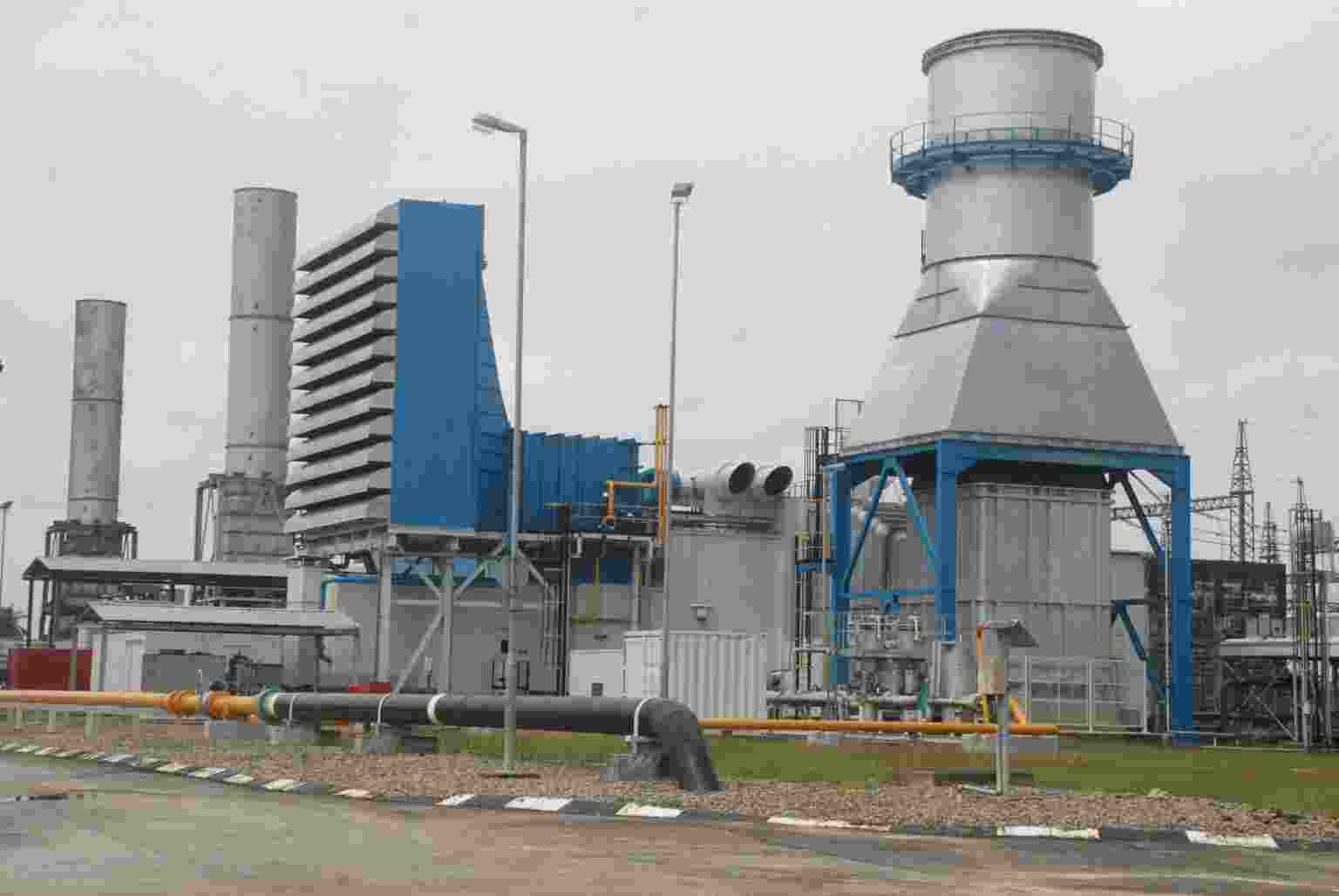
…he called for a comprehensive audit not only of Ibom Power Company but also other government-owned investments.
AKWA IBOM, NIGERIA- The iNews Times| There has been a renewed call for the annulment of the audit report conducted by Savannah Energy on Ibom Power Company, with stakeholders urging the Akwa Ibom State Government to engage independent and credible auditors for a fresh review.
The controversy stems from a Memorandum of Understanding signed in 2023 by Governor Umo Eno with Savannah Energy, owners of Accugas, the gas supplier to the state-owned power firm, to carry out a technical audit aimed at improving operational performance.
However, the audit, submitted in April 2024 under the supervision of Akwa Ibom Investment Corporation, has been widely criticised over alleged conflict of interest, with claims that the auditing firm had vested commercial ties with the company it was meant to assess.
An NGO, Open Forum, was among the first to raise concerns, arguing that appointing a gas supplier to audit the same power company violates global auditing standards and undermines transparency.
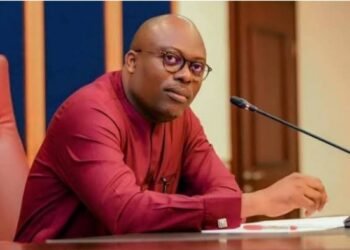
The group’s convener, Mathew Kofi Okono, popularly known as MKO, also alleged that Savannah Energy did not physically visit the facility before submitting its report, further questioning the credibility of the findings.
He called for a comprehensive audit not only of Ibom Power Company but also other government-owned investments under AKICORP, which he described as largely underperforming.
Despite the audit, the Ibom’s power situation has seen little improvement nearly two years later, with residents still grappling with erratic electricity supply and reliance on the national grid.
The situation was further compounded by revelations from the former Managing Director of the company, Dr. Mayen Etukudoh, who alleged inadequate funding and a missing $80 million reportedly allocated to the firm by the Federal Government.
Although the state government has since set up a Power Reform Implementation Committee to address ongoing challenges, the move has drawn criticism from experts who argue that the committee lacks the technical expertise required to deliver meaningful reforms.
Energy analyst Engr. Emmanuel Eno described the committee as insufficiently equipped to handle the complexities of Ibom power sector reform, warning that its composition could undermine efforts to achieve sustainable solutions.
Similarly, former Vice Chancellor of the University of Uyo, Prof. Akpan Ekpo, advocated the engagement of indigenous experts, stressing that power sector challenges require technical competence rather than political intervention.
As part of broader recommendations, stakeholders have also called for the establishment of a state-owned gas company to ensure steady supply to the power plant and boost internally generated revenue.
They further urged the government to review existing agreements with Savannah Energy, including the 2009 Gas Sales and Purchase Agreement, to ensure the state derives optimal value.
With abundant gas resources, existing infrastructure, and local expertise, analysts believe Ibom power has the potential to become a model for resolving Nigeria’s persistent power challenges, if the right structural reforms are implemented.